

Wheelchair-Friendly Walkways Proposed
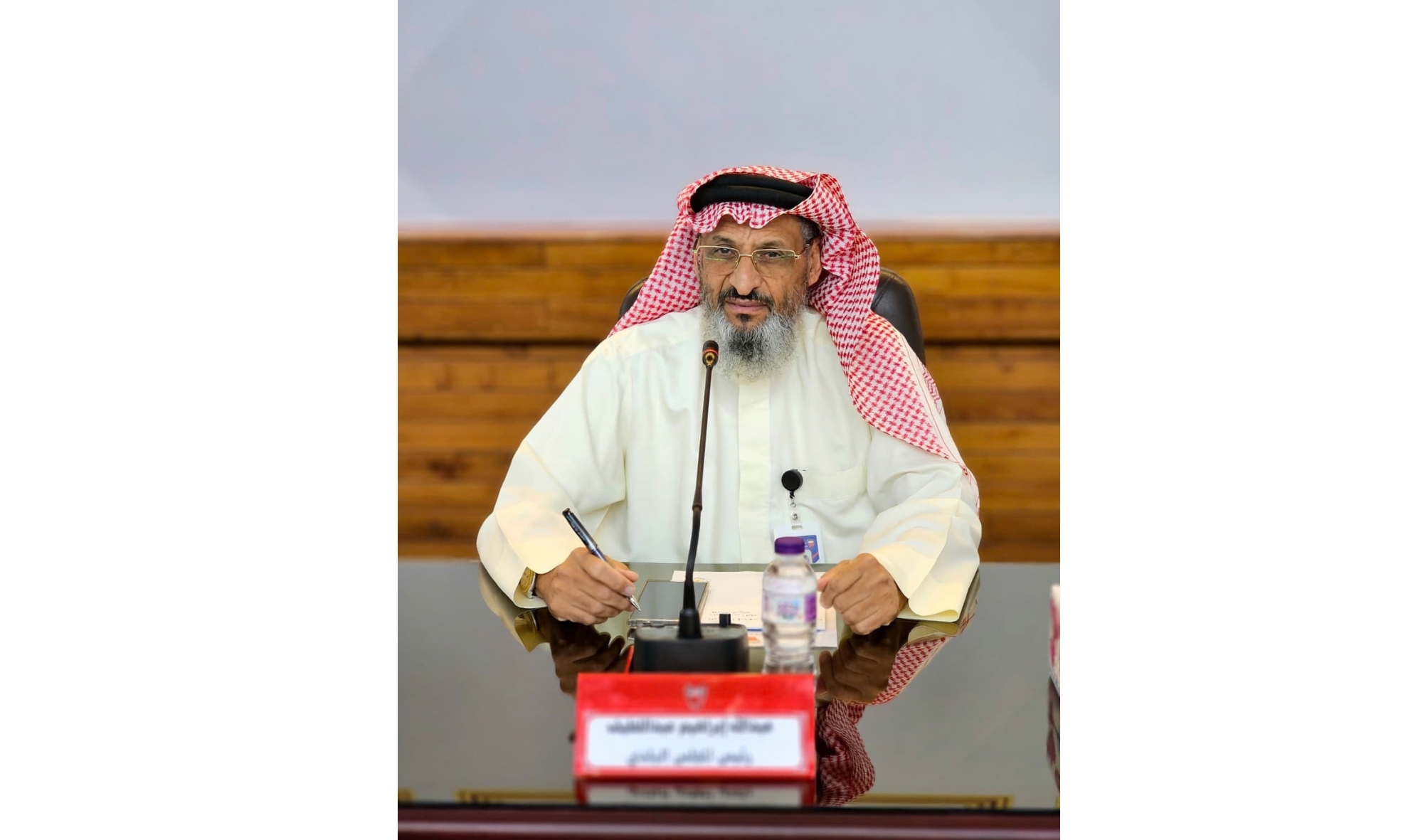
A proposal to make public walkways safer and easier to use for wheelchair users, blind people and those with limited mobility has been put forward by Southern Municipal Council chairman Abdulla Abdul Latif.
He called for rubberised and asphalt surfaces instead of paving blocks, along with clear wheelchair routes, tactile paving, Braille signs, ramps, shaded rest areas and seating for people who cannot walk far.
Abdul Latif said recent work at A’ali Walkway offers ideas that should be copied elsewhere, pointing in particular to its fine water-mist cooling system.
He said the cooling system was one of the strongest parts of the scheme and should be used as a model for other walkways, especially given Bahrain’s heat.
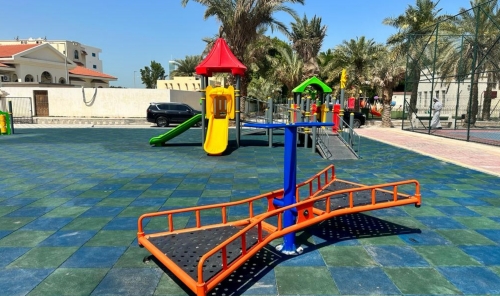
He also pointed to the play area for people with disabilities at Salmaniya Garden, which opened in 2024, as another example worth building on.
The 650-square-metre area includes adapted play equipment and rubber flooring for children with different disabilities.
Abdul Latif said projects of this kind should become common across parks and walkways rather than remain limited to a small number of sites.
Rubberised asphalt, he said, gives walkers a softer surface while staying firm enough for wheelchair users.
‘This type of asphalt, rubberised asphalt, is very good,’ he said.
Wheelchair users and people who rely on walking aids should have a clear route along the full length of each walkway, with bins, lamp posts, trees, barriers and benches kept out of their way.
Raised kerbs and steep slopes should be replaced with dropped kerbs and gentle ramps at entrances and road crossings.
For blind and partially sighted people, Abdul Latif proposed tactile paving at crossings, junctions, entrances and danger points.
Signs should use large, easy-to-read lettering and high-contrast colours, with Braille and tactile signs at entrances, toilets and route maps.
Separate lanes should also be provided where needed so wheelchair users do not have to share busy tracks with runners and other walkers.
‘If you make a special route for people of determination, they will not have to use the same path used by everyone else,’ Mr Abdul Latif told The Daily Tribune.
Sand and barefoot walking areas should be kept away from accessible routes because loose ground can make wheelchairs and walking aids difficult to use.
Road crossings could also have audible and tactile signals to help blind and partially sighted people cross safely.
Older people are also covered by the proposal.
Related Posts