

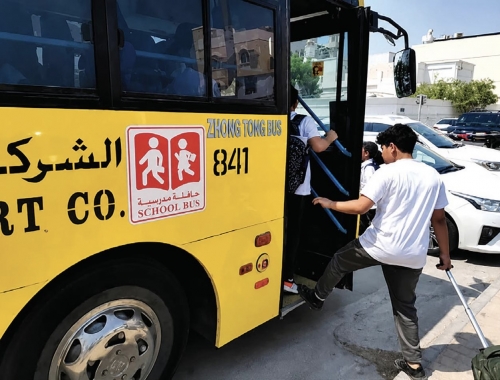
School return revives warning over unlicensed drivers
After seven months away from their classrooms, 157,000 children return to government schools today, with parents told to check that anyone paid to drive them is licensed.
Private schools resumed lessons earlier this week, a few days ahead of the public-school system. Government schools reopen after safety checks, repairs and preparations by the Education Ministry, following months in which teaching was moved online during the Iranian attacks on Bahrain.
Last year, two cases involving unlicensed school transport put children at risk.
In October 2025, a four-and-a-half-year-old boy died after being left for several hours inside a closed private car used to take children to schools and kindergartens.
The woman driving the car told prosecutors she had been taking children for payment without a licence. The vehicle was also not licensed for passenger transport.
A month later, a girl was left asleep inside another unlicensed private car after it broke down. The vehicle was then lifted on to a recovery truck with the child still inside.
The driver realised she was there only after receiving a telephone call asking where she was. Prosecutors later ordered his detention while the case was investigated.
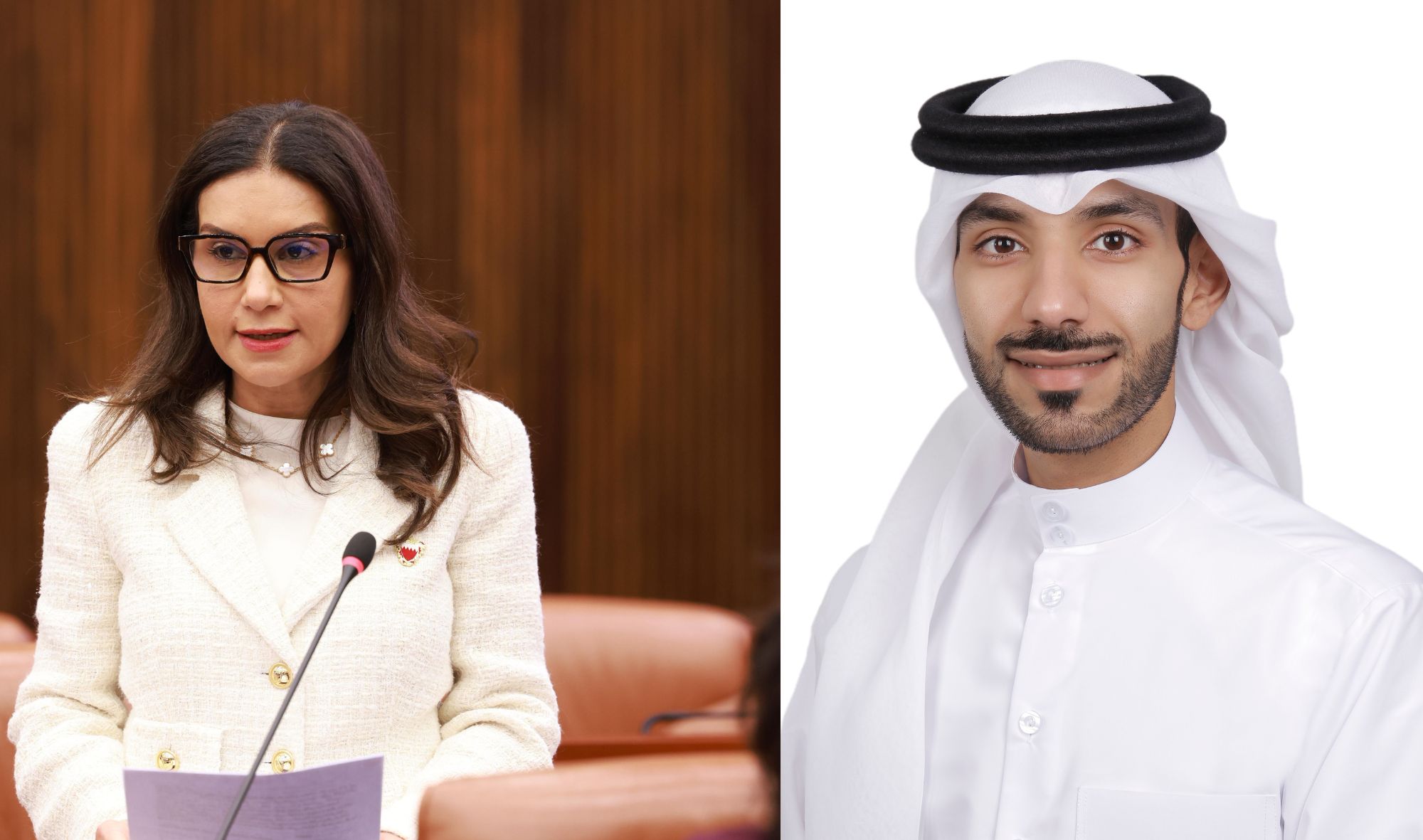
Shura Council member Lina Habib, deputy head of the woman and child affairs committee, said parents must check both the driver and vehicle before paying anyone to take their children to school.
‘A parent’s responsibility begins with checking that the vehicle and driver hold the licences required by the relevant authorities to transport students,’ she told The Daily Tribune.
Knowing the driver personally, or relying on recommendations from friends and relatives, is not enough, she said.
Habib said Bahrain’s traffic rules treat vehicles according to their use and place those carrying schoolchildren under specific rules.
Parents should be able to check easily that licences are valid and that both the driver and vehicle are licensed to carry pupils, she said.
‘This deserves continued legislative and regulatory attention, especially when it involves children in kindergarten and primary school, who require the greatest degree of care and protection,’ Habib said.
She said punishment should match the seriousness of an offence and take repeat breaches into account.
Road checks, cameras, digital records and government databases can help catch drivers carrying pupils for money without permission, she added.
Habib said Bahrain already has rules governing school transport. She called for them to be kept under review as safety needs change.
Parents are also responsible for checking that the transport they choose is lawful and safe, she said.
‘Using an unlicensed vehicle or driver does not carry only a traffic risk. It can also have civil liability and insurance consequences if an accident occurs,’ Habib said.
Schools should also tell families how to check transport licences, warn them about unlicensed operators and report suspected breaches to the authorities, she added.
Lawyer Jassim Al Essa said anyone who regularly carries students for payment without the required licence can face up to six months in jail and a fine of between BD100 and BD1,000.
The penalty is laid down in Article 46 of the Traffic Law, which covers public transport carried out without the required licence or in breach of its terms.
‘Transporting children is a responsibility before it is a business,’ Al Essa told The Daily Tribune. ‘A licence is not simply a piece of paper. It is one of the protections meant to keep children safe.’
He said carrying pupils for money cannot be treated as a private arrangement between driver and parents when the law requires a licence.
Licensing allows checks on the vehicle, driver and safety rules, he said, while using a vehicle for a purpose other than that stated on its licence can bring a separate penalty of up to six months in jail and a fine of between BD50 and BD500.
Al Essa said a crash involving unlicensed school transport can also raise questions over compensation, insurance cover and criminal liability.
‘Price or convenience should not decide how a child gets to school,’ he said. ‘Safety must come first, then obeying the law.’
Related Posts