

Bahrain moves early to contain Ebola risk with travel curbs
- 10 African countries are at risk due to mobility and insecurity
- US tightens screening and entry rules
- EU issues coordinated precautionary health measures
The African Union's health chief Jean Kaseya has warned that ten additional countries are at risk of the virus spreading to them: Angola, Burundi, the Central African Republic, the Republic of Congo, Ethiopia, Kenya, Rwanda, South Sudan, Tanzania, and Zambia. He cited "high mobility and insecurity" as the main drivers.
Bahrain was among the first Gulf nations to act, suspending entry for non-Bahraini travellers arriving from South Sudan, the DRC, and Uganda from May 19, for 30 days. Bahraini nationals returning from those countries face mandatory health protocols.
The United States, on May 18, announced enhanced travel screening and entry restrictions jointly with the Department of Homeland Security to prevent Ebola from reaching American soil.
The European Union held a senior-level Health Security Committee meeting on May 20, and on May 22 issued a common EU approach including precautionary measures and exit screening recommendations. European Commission
Uganda suspended all public transport links to the DRC upon confirming its first cases. It also postponed its annual Martyrs' Day celebrations — an event that can attract up to two million people — specifically because of the epidemic risk.
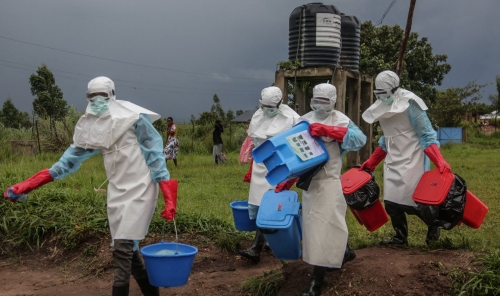
This is the DRC's 17th Ebola outbreak since the virus was first discovered — and it is moving faster and wider than any in recent memory. A deadly strain with no cure, a conflict-shattered region, and a highly mobile population are a dangerous combination. The world has stopped Ebola before through swift, coordinated action. That same urgency is now needed again. The clock is ticking.
Related Posts