

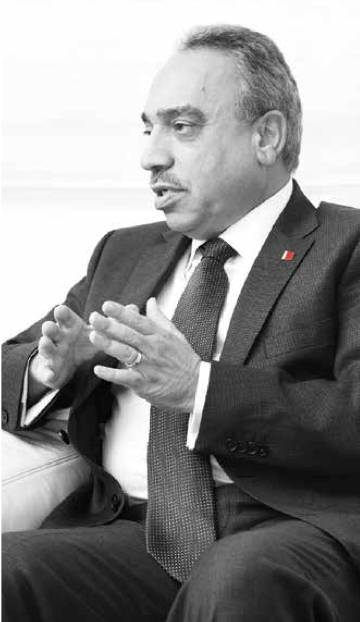
DT News: Does the ministry have any plans to benefit from or recycle the excavated rainwater?
Eng. Khalaf: The storm water is usually discharged in the sea and other areas. We had attempted to inject it in the under- ground water in a couple of sites across the Kingdom. But recycling also is only done if strict rules are followed. The Supreme Council for the Environment had some environ- mental reservations in regards to this process as they had some concerns over water pollution suspicions, hence the processes were stopped and further discussions are in progress. But, we utilise it in irrigation purposes.
We have more work and effort to be implemented in the field of rainwater drainage and recycling. Yet, we have managed to considerably reduce the negative effects of this issue on the public by taking the necessary precautionary measures and procedures ahead of the rainy season.
The ministry has offered more tenders to provide tanks and containers to excavate the excessive water from roads and public areas. We have also upgraded the vacuum tankers and provided them with additional pumps to accelerate the process of excavating the water, that’s in addition to installing pumps at vital areas and roads to move the water to open areas and ensure that the daily life isn’t affected.
DT News: What are the main challenges the ministry is facing in tackling the rainwater flooding issue?
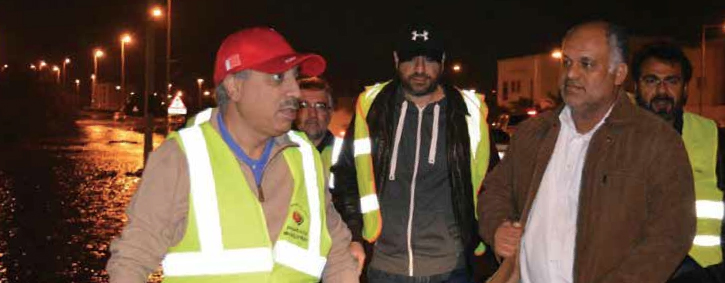
Eng. Khalaf: One of the biggest challenges we face during the rainy seasons is the uncivil behaviour of some people who remove the covers of sewage manholes and allow the rainwa- ter to enter and mix with the sewerage network.
This is a grave matter as such behaviour disrupts and dam- ages the networks. The rainwater, with all its sediments, damages the pumps and other equipment of the sewerage network. This results in the rebound of the sewerage inside homes and other facilities. Such cases were reported recently, as the pumps were damaged and unable to move the sewer- age to the treatment plant. We repeatedly warn the public
of the dangerous effects of such behaviours by raising more awareness on the matter through different platforms.
It’s noteworthy that we have also fulfilled all the requests that were received by municipal councils from citizens this year to install rainwater roof coatings to prevent any leakages inside homes, especially those belonging to the limited and medium income citizens.
DT News: What are the efforts taken to reduce the increasing traffic congestions on the Kingdom’s roads?
Eng. Khalaf: The infrastructure and urban growth is notice- ably expanding in the country. The growing economy and the numbers of construction permits being issued is also rising. Of course all of these factors increase the pace of transporta- tion, reflected in the growing numbers of vehicles on the roads.
In Bahrain, we have an annual growth in traffic movement of five to seven percent. The ministry is working on developing a network of strategic roads and a number of big projects are underway. They’re mostly funded either through the state budget or the GCC Marshall Plan.
The in-hand projects are worth around USD1.2 billion, but they require time to be completed. For this reason, as directed by the Crown Prince, Deputy Supreme Commander and First
Deputy Prime Minister HRH Prince Salman bin Hamad Al Khalifa, the ministry has adopted a plan to implement smaller projects that have a visible impact on the alleviation of the traffic congestions issue.
We have commenced executing these projects on several stages. The first stage includes 11 projects to open new entries, exits and intersections. Eight of them were recently completed in all four governorates. This plan received a positive interac- tion from motorists as it effectively contributed to the reduc- tion of traffic jams.
The second stage of the plan will include 16 projects that will be soon announced.
DT News: As we speak about traffic jams, what is the work progress of the much-anticipated fourth bridge connecting Manama and Muharraq?
Eng. Khalaf: This is one of the most prominent projects being currently implemented by the ministry and is financed by the GCC Marshall Plan. It is part of the Muharraq Ring Road project and connects the northern parts of the Capital, Bahrain Bay and Busaiteen reaching to Diyar Al Muharraq.
We have set a budget of USD250 million for the project. Tenders have been offered for the reclamation process and it’s currently in the evaluation phase. We are hoping that the tender for the construction process would be offered by the first half of 2018.
A state-of-the-art design has been approved by the Prime Minister HRH Prince Khalifa bin Salman Al Khalifa. The project would be ready by the year 2020.

The evening themed ‘Yaadein: A Walk Down The Memory Lane’, was a grand show in which students of Class XI presented a variety of cultural programmes along with interesting games. The Grade XII students shared their anecdotes of the time spent in school with the juniors and their beloved teachers. It was a nostalgic moment, the memories of which will be cherished for a lifetime.


Winners will compete for a total prize money of Rs 300,000.

EXEED understands the personalized needs of consumers in the new era. Taking advantage of “human wisdom” and embracing the concept of cloud co-creation, the brand has launched a “co-creation programme.” The programme brings together Stellar owners, motor enthusiasts and cross-border professionals to build cars in the hope of gathering everyone’s wisdom and strength to create smarter models for the market. The programme will create a better future both for EXEED and for the owners.
Relying on Chery’s 24-year R & D efforts, five global R & D centres and its supplier system comprised of Fortune 500 companies, EXEED will adhere to the “domestic innovation” to meet the expectations of users for independent high-end brands. Based on the deep insights into the future travel trends, EXEED boasts the “4F” product development concept, which includes “free hand,” “free range,” “free space,” and “free life.” Stellar, the first model built based on this concept, represents EXEED’s understanding and vision of smart travel in the future. Born for the future Created based on “4F” concept for product development, Stellar will realize people’s thoughts of “intelligent mobility.” It is named “Yao Guang” in Chinese after the first star of the “Big Dipper” in ancient China, which helped people distinguish directions and determine seasons.

The Chinese name represents that EXEED will stick with the spirit of the “Big Dipper” and keep moving forward fearlessly.
The design of Stellar is inspired by the links of constellations in the universe. The links between constellations are considered a great breakthrough made by human beings in the effort to observe and explore the starry sky. The imaginary links display romantic aesthetics as well as the spirit of exploration.

The new design will also set the trend of future EXEED products. In addition to the new design, Stellar features high efficiency and low fuel consumption as a result of its GDI engine and super four-wheel drive. The model boasts Level 4 automatic driving and supports FOTA updates for various modules, such as DMC and EMS, allowing for vehicle customization.
Furthermore, users can switch between various driving modes freely, such as meeting, entertainment, and gaming. Stellar can be regarded as the first step EXEED has taken in aiming for the future travel market, representing the brand’s judgment and thinking on future automotive technologies.
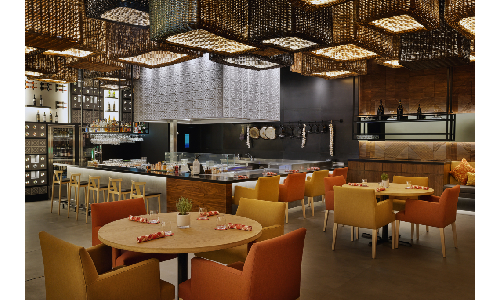
We would have gone for seconds but by then, we were saving room for dessert. On the dessert display were churros with chocolate sauce, vanilla cream filled profiteroles, brownies, mille-feuille and a beautiful flan. There was a decadent, tall ten layer chocolate cake as well.
The pastry chefs at the hotel really do a great job in preparing and presenting delicious desserts. The churros were irresistible and I may have lost count of how many I had. The vanilla profiteroles were filled with luscious vanilla cream and dipped in white chocolate.
They were lip smacking. What we appreciate about the menu at Salero is that every dish is prepared with utmost respect to the flavor of the main ingredient while staying true to authentic Spanish flavors. The live music and exhilarating performance, the delectable meal and friendliness of the staff makes you leave with a smile on your face.
Plan your weekend today and head on right over to Salero for their Saturday lunch buffet that will leave you feeling happy and satisfied. If you visit the restaurant this Saturday, you might meet the man behind it all- Chef Jordi Bataller who will be visiting Bahrain this weekend. Salero is open for brunch every Saturday from 1pm-5pm. For reservations, call 17171300 or WhatsApp 33502110.
Multiple opportunities
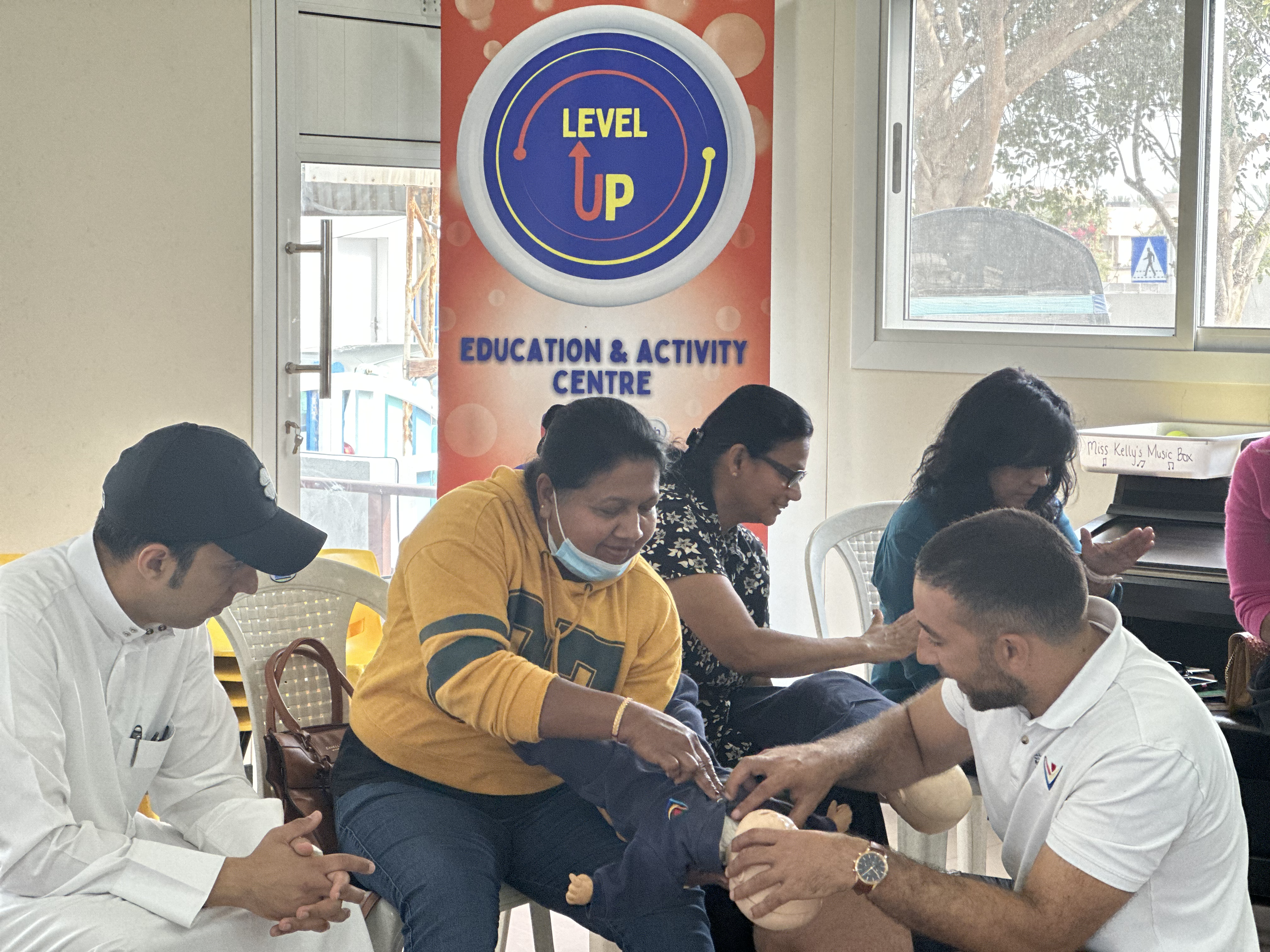
Sam Rahman revealed that the ‘Save a Little Life’ workshops are held regularly, offering individuals multiple opportunities to enhance their life-saving abilities.
Additionally, Rahman disclosed the success of a fundraising campaign initiated by the JPL league, which aims to provide defibrillators for sports teams and facilities in memory of Elliott Walsh, a young boy who tragically passed away due to sudden unexplained death in childhood.
“The defibrillator fund is a tribute to Elliott’s legacy, ensuring that sports teams and facilities have access to life-saving equipment,” Rahman explained.
He said RLSB is supporting the campaign by providing training for coaches and facilitating the acquisition of defibrillators, further reiterating the commitment to safeguarding lives and honouring the memory of Elliott Walsh.
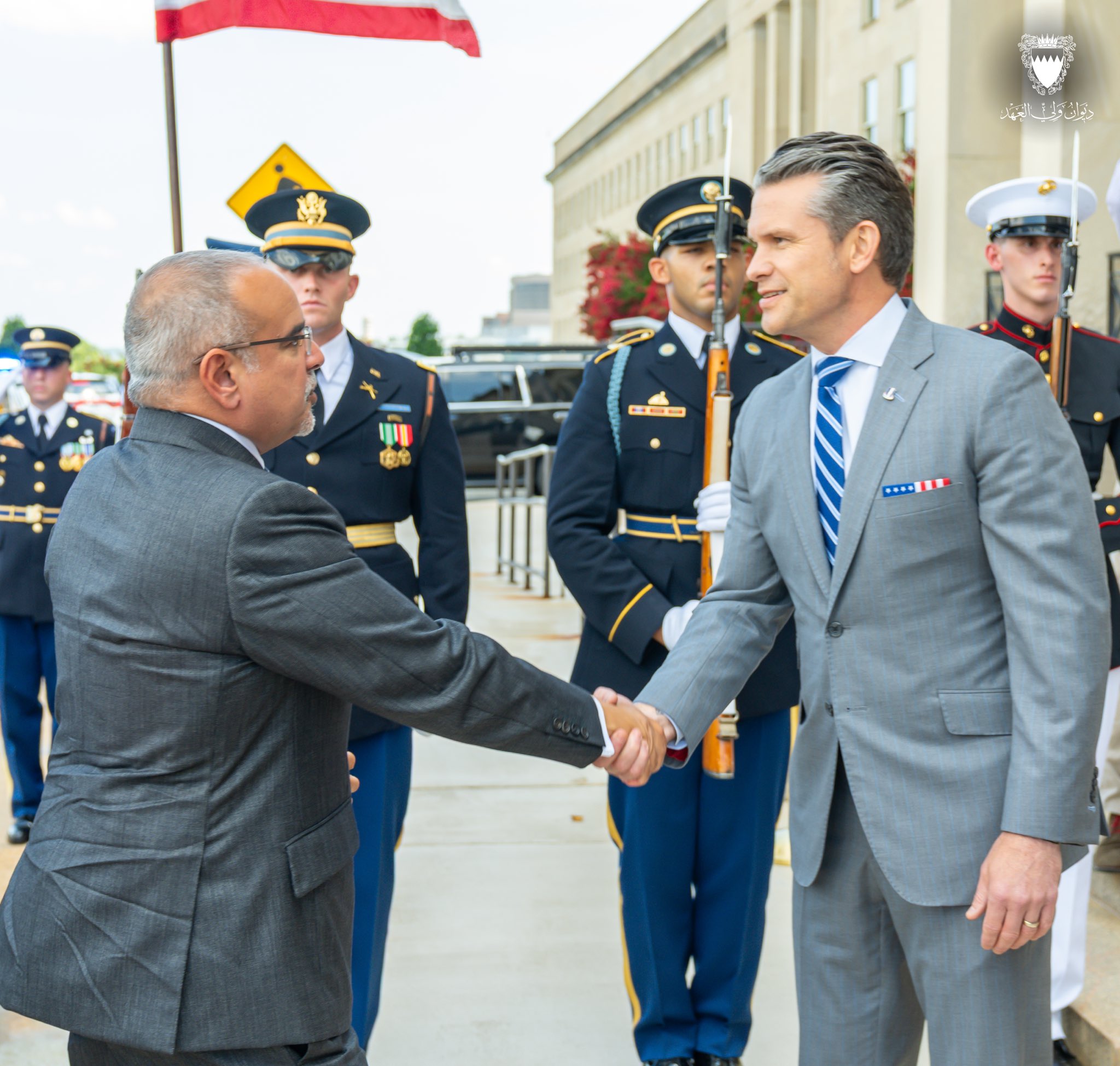
U.S. Secretary of Defense Pete Hegseth welcomes His Royal Highness Prince Salman bin Hamad Al Khalifa, the Crown Prince, Deputy Supreme Commander of the Armed Forces and Prime Minister, during a high-level meeting at the Pentagon on Thursday.
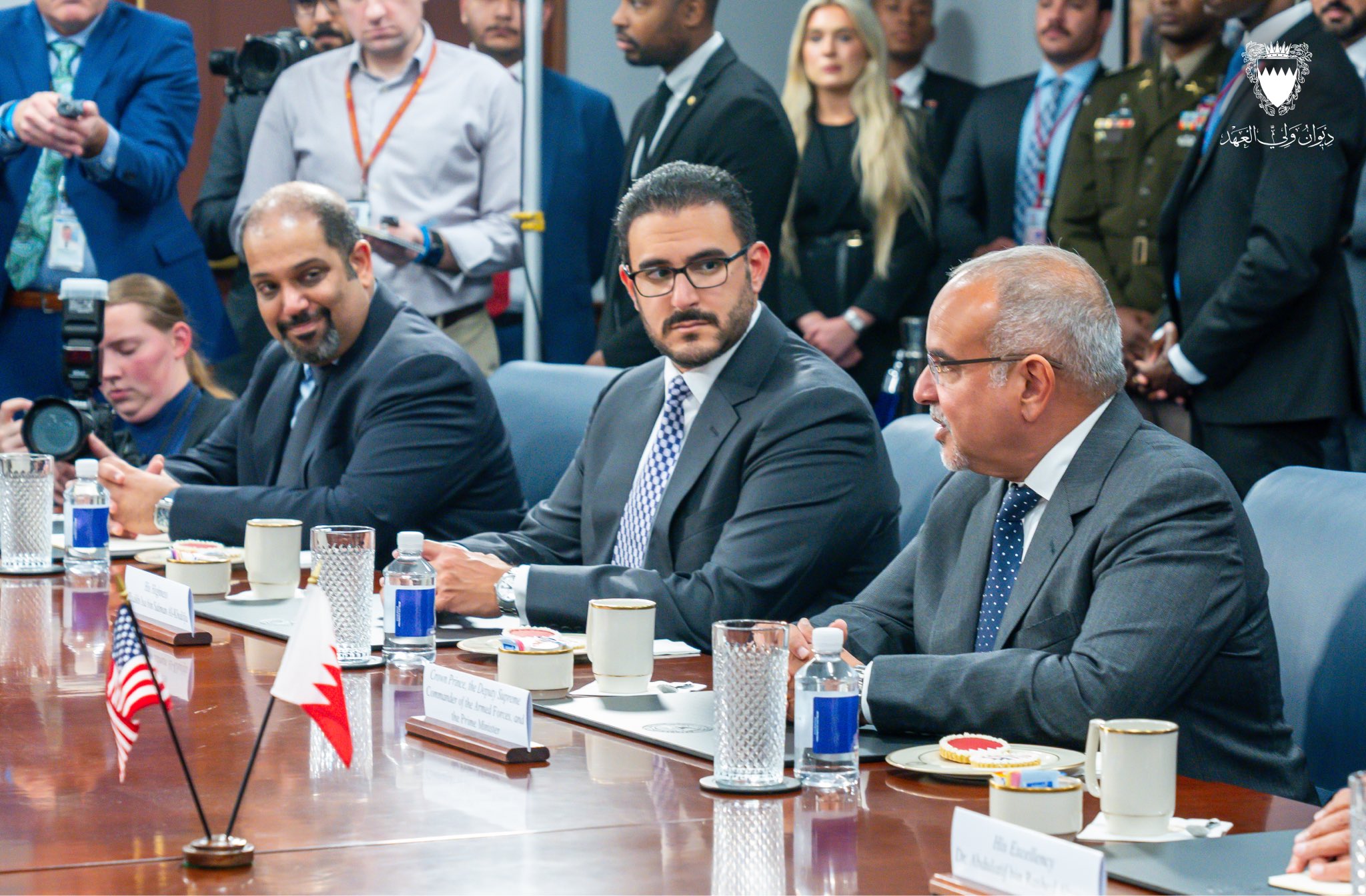
His Royal Highness Prince Salman bin Hamad Al Khalifa, the Crown Prince, Deputy Supreme Commander of the Armed Forces and Prime Minister (right), attends a high-level meeting at the Pentagon alongside His Highness Shaikh Isa bin Salman bin Hamad Al Khalifa, Minister of the Prime Minister’s Court (centre), and His Excellency Shaikh Salman bin Khalifa Al Khalifa, Minister of Finance and National Economy (left), during the Kingdom’s official visit to the United States.
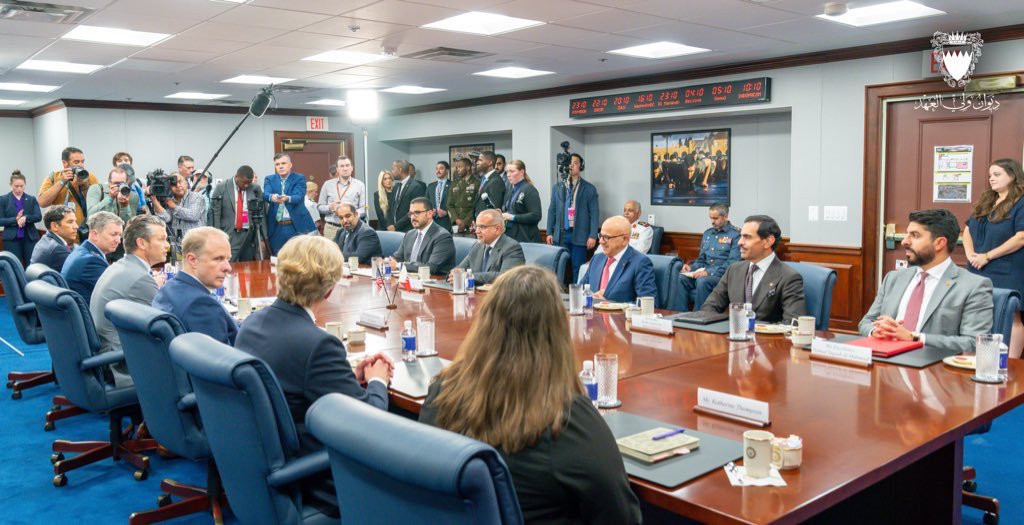
Officials from the Kingdom of Bahrain and the United States hold high-level talks at the Pentagon, led by His Royal Highness Prince Salman bin Hamad Al Khalifa, the Crown Prince, Deputy Supreme Commander of the Armed Forces and Prime Minister. Also present were His Highness Shaikh Isa bin Salman bin Hamad Al Khalifa, Minister of the Prime Minister’s Court; His Excellency Shaikh Salman bin Khalifa Al Khalifa, Minister of Finance and National Economy; senior officials from both sides; and members of the U.S. media covering the visit.

efref
dfdsf
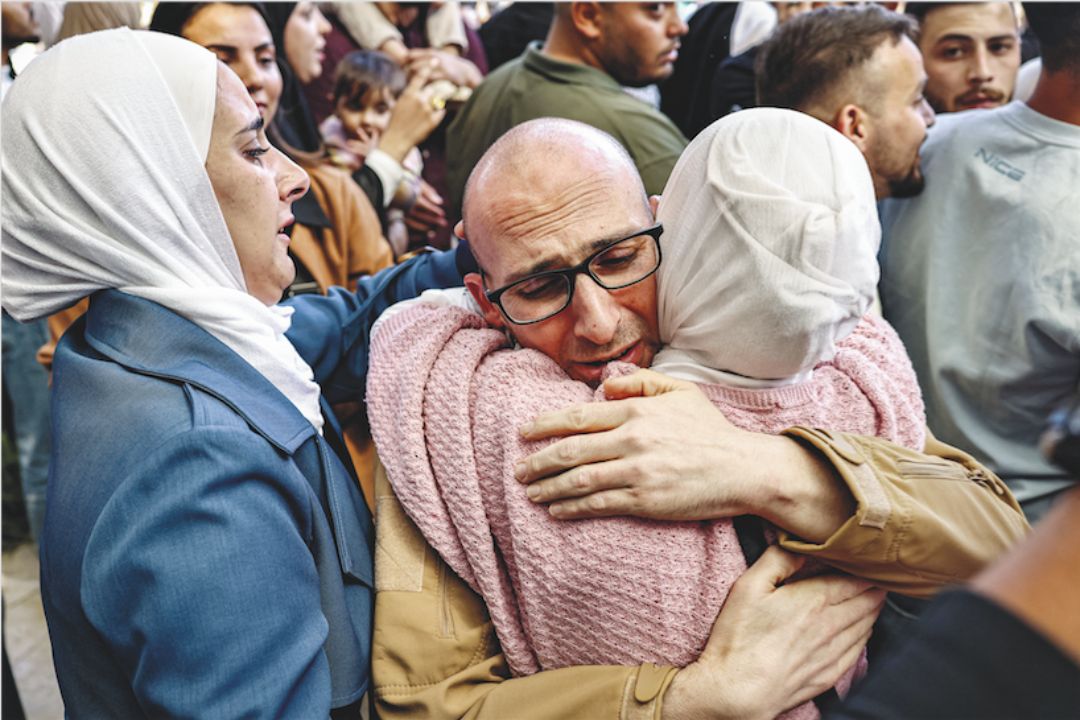
'Beautiful moment'
Nour Soufan, now 27 years old, was due to meet his father Moussa, who was jailed a few months after his birth, outside of jail for the first time.
Soufan and half a dozen relatives came to Ramallah from Nablus, in the north of the West Bank, and spent the night in their vehicle.
"I have never seen my father, and this is the first time I will see him. This is a very beautiful moment," Soufan said.
Like him, many had defied the travel restrictions that puncture daily life in the Palestinian territory, with Israeli army checkpoints proliferating in two years of war.
Palestinian media reported on Sunday that families of detainees had been contacted by Israeli authorities, asking them not to organise mass celebrations.
"No reception is allowed, no celebration is allowed, no gatherings," said Alaa Bani Odeh, who came from the northern town of Tammun to find his 20-year-old son who had been jailed for four years.
AFP spoke to several prisoners who said that in their first hours of freedom, they would go home and stay with family.
During previous releases, mass gatherings had flooded entire streets in Ramallah, with people waving Palestinian flags as well as those of political factions including Hamas.
jhfgjh
'Live my life'
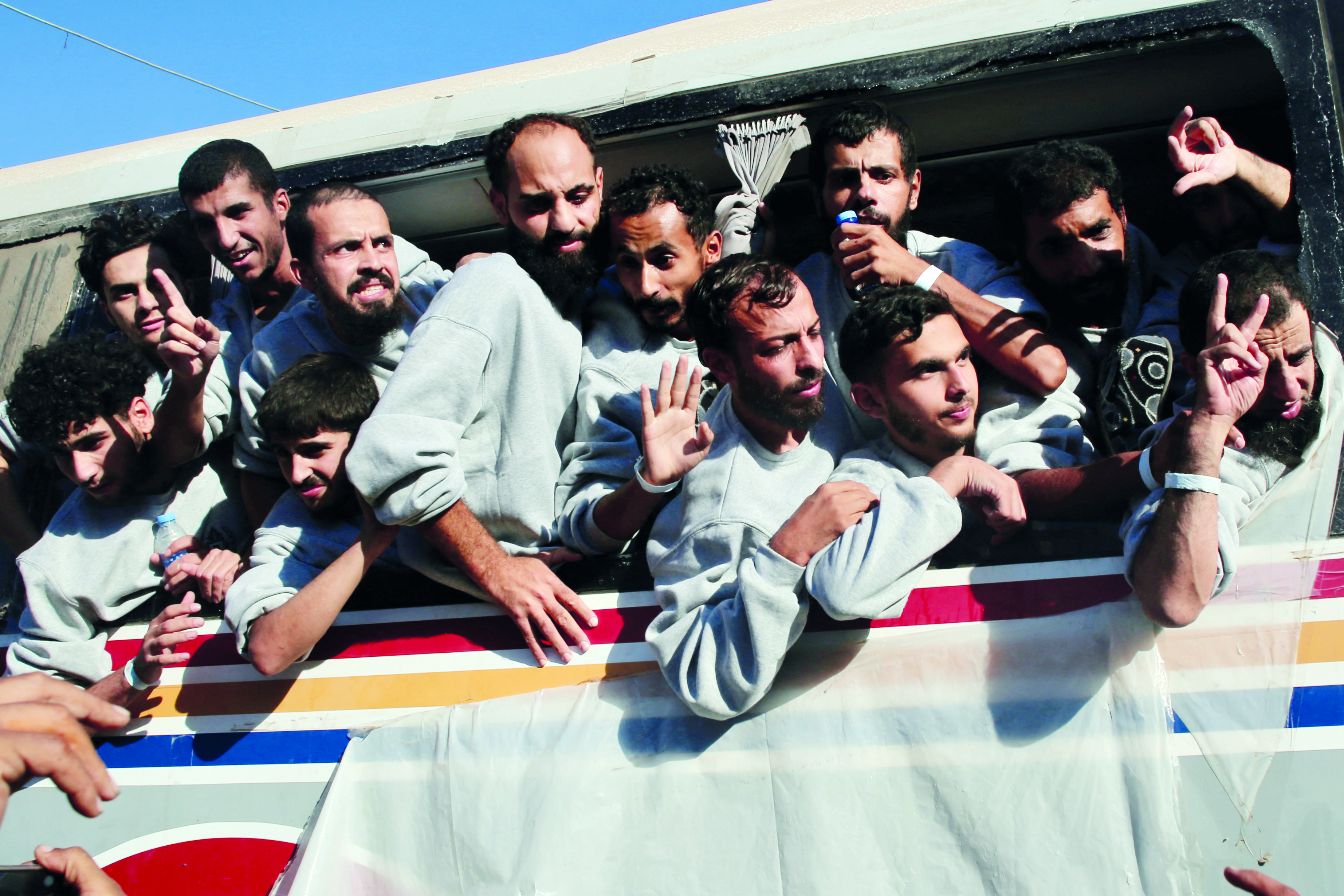
Dressed in the grey tracksuits of Israeli prisons, many prisoners also wore a black-and-white kuffiyeh around their necks -- the traditional scarf that has become synonymous with the Palestinian cause.
Some of the newly released prisoners happily let themselves be carried away on relatives' shoulders.
"Prisoners live on hope... Coming home, to our land, is worth all the gold in the world," said one freed detainee, Samer al-Halabiyeh.
"God willing, peace will prevail, and the war on Gaza will stop," Halabiyeh added.
"Now I just want to live my life."
Journalists rushed to talk to the prisoners, but many declined to engage, sometimes explaining that before their release, they were advised not to speak.
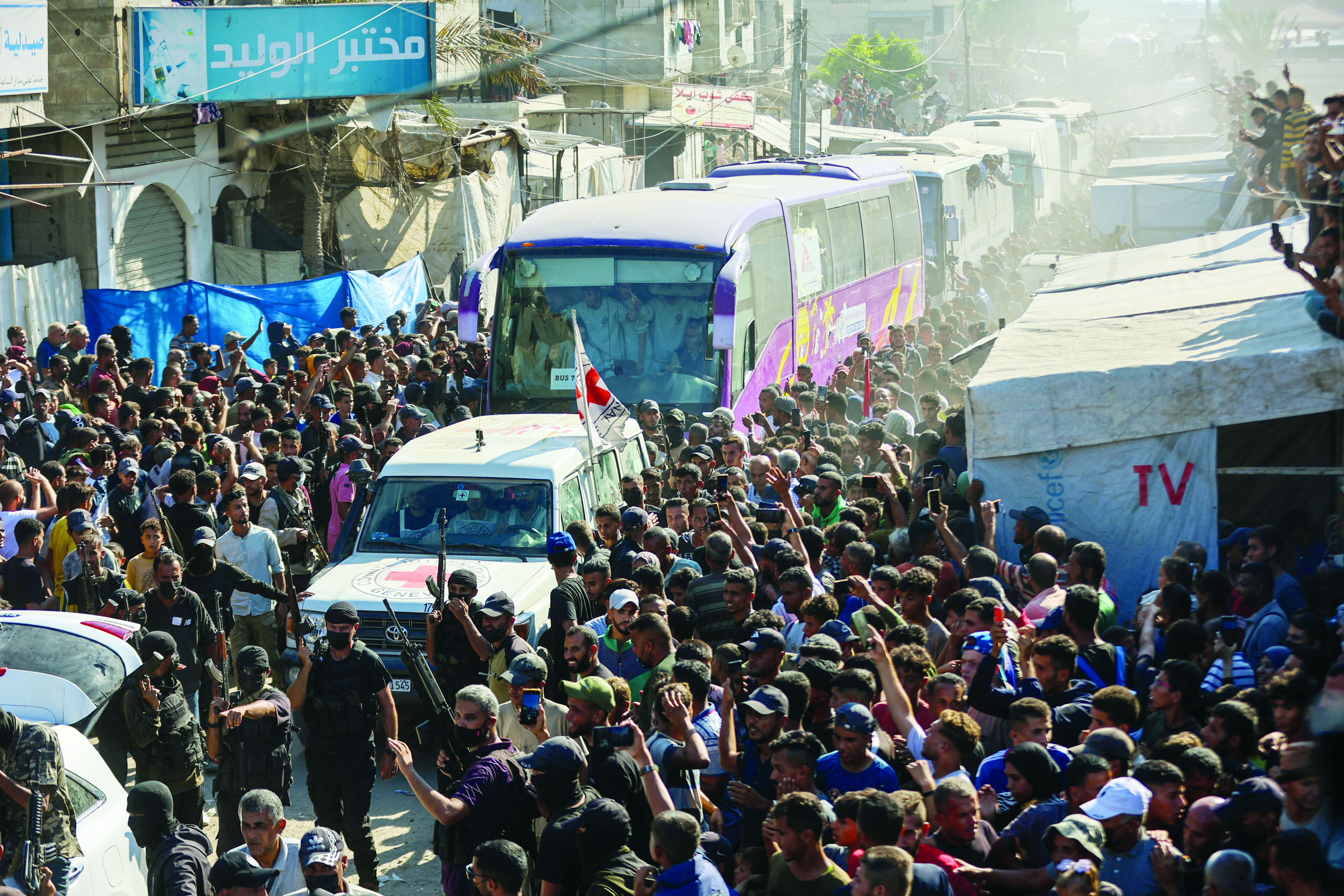
In the south Gaza city of Khan Yunis, a crowd gathered near Nasser Hospital, in the hope of catching sight of the prisoners taken during the war with Israel.
In the afternoon, thousands cheered to welcome their loved ones as they caught glimpse of the buses carrying them home.
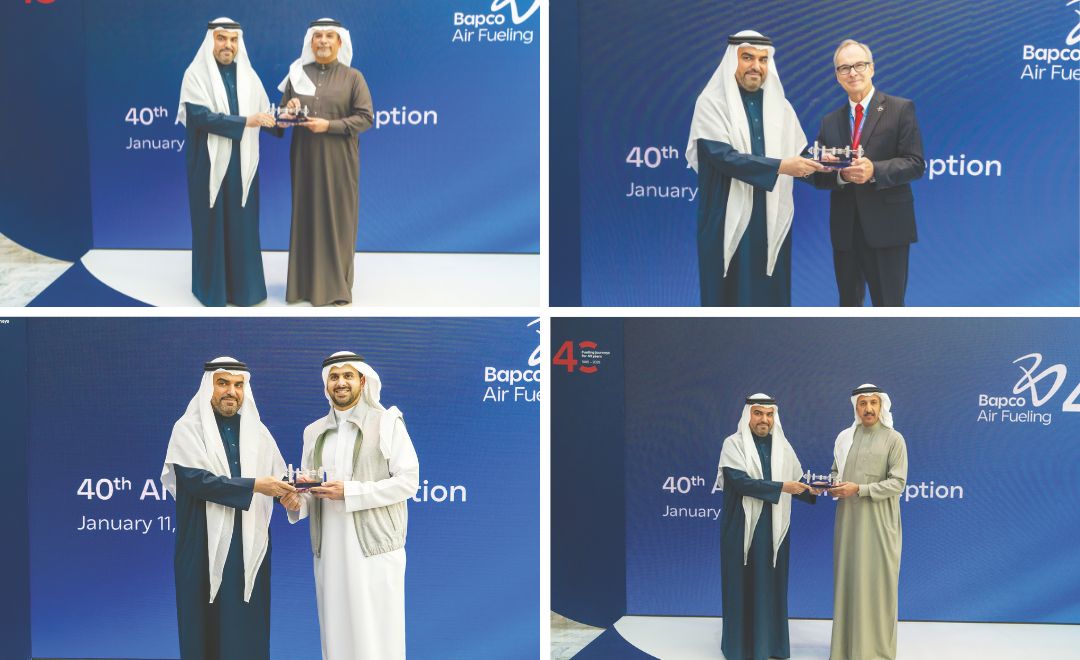
Safety remains central to Bapco Air Fueling’s operations, supported by certification to leading international standards including ISO 9001 and ISO 45001. The Company has implemented several major infrastructure upgrades and continues to modernize its systems, including initiatives to digitalize refueling operations and enhance operational efficiency.
Bapco Air Fueling has prioritized national workforce development and the empowerment of Bahraini talent. The Company has achieved a 99% Bahraini workforce and has significantly increased female employment across operational and technical roles, reflecting its commitment to inclusive growth and sustainable development.
Bapco Air Fueling’s leadership team praised the dedication of its employees, whose professionalism and commitment remain fundamental to the Company’s success and reputation over the past four decades.
Looking ahead, Bapco Air Fueling reiterated its commitment to supporting the growth of Bahrain’s aviation sector, advancing sustainability initiatives, and contributing to the Kingdom’s long-term strategic objectives as part of the wider Bapco Energies Group.
Bapco Energies extended its appreciation to the Ministry of Oil and Environment, the Ministry of Transportation and Telecommunications, and strategic partners and stakeholders who have contributed to Bapco Air Fueling’s success and development over the years.
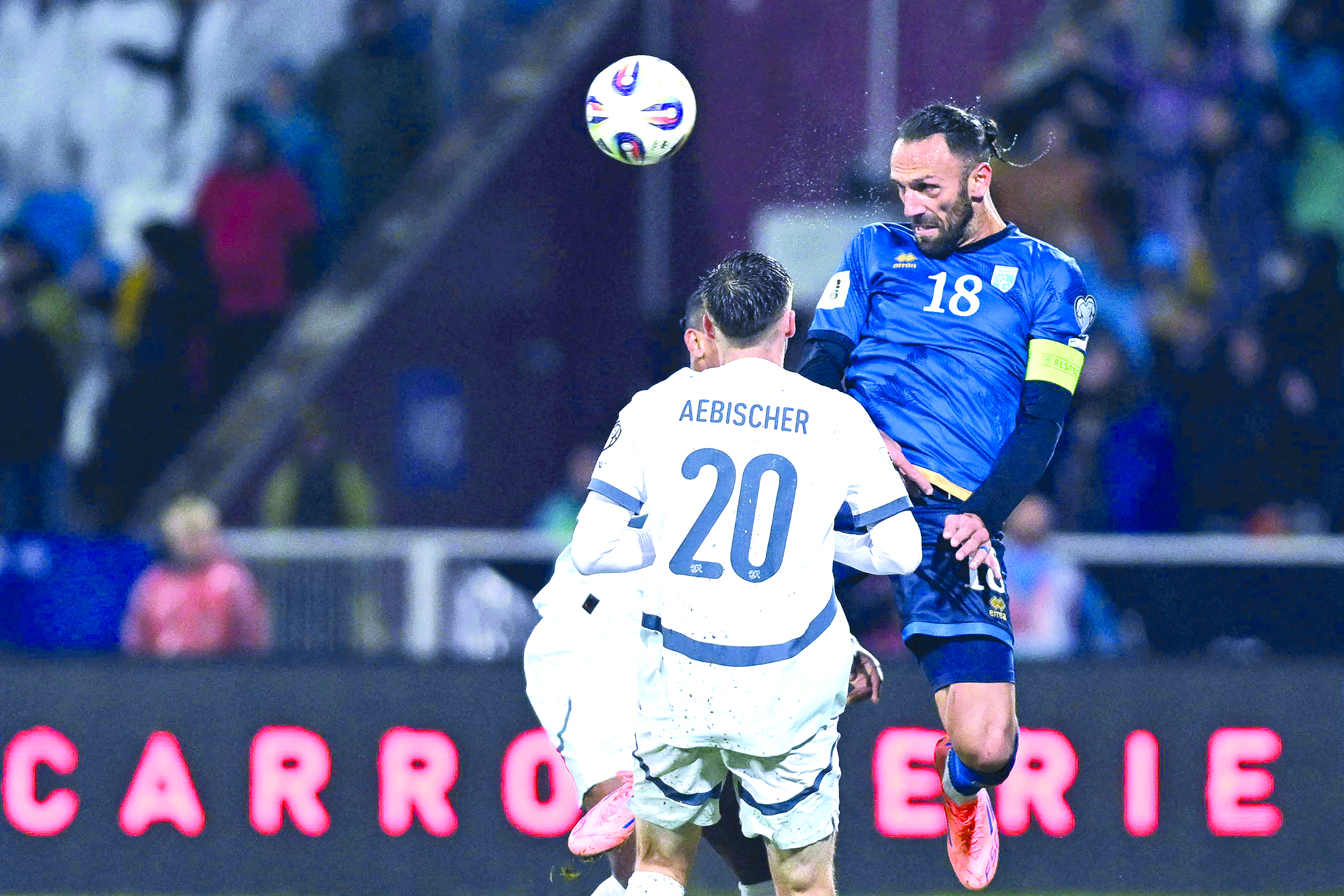
Path C
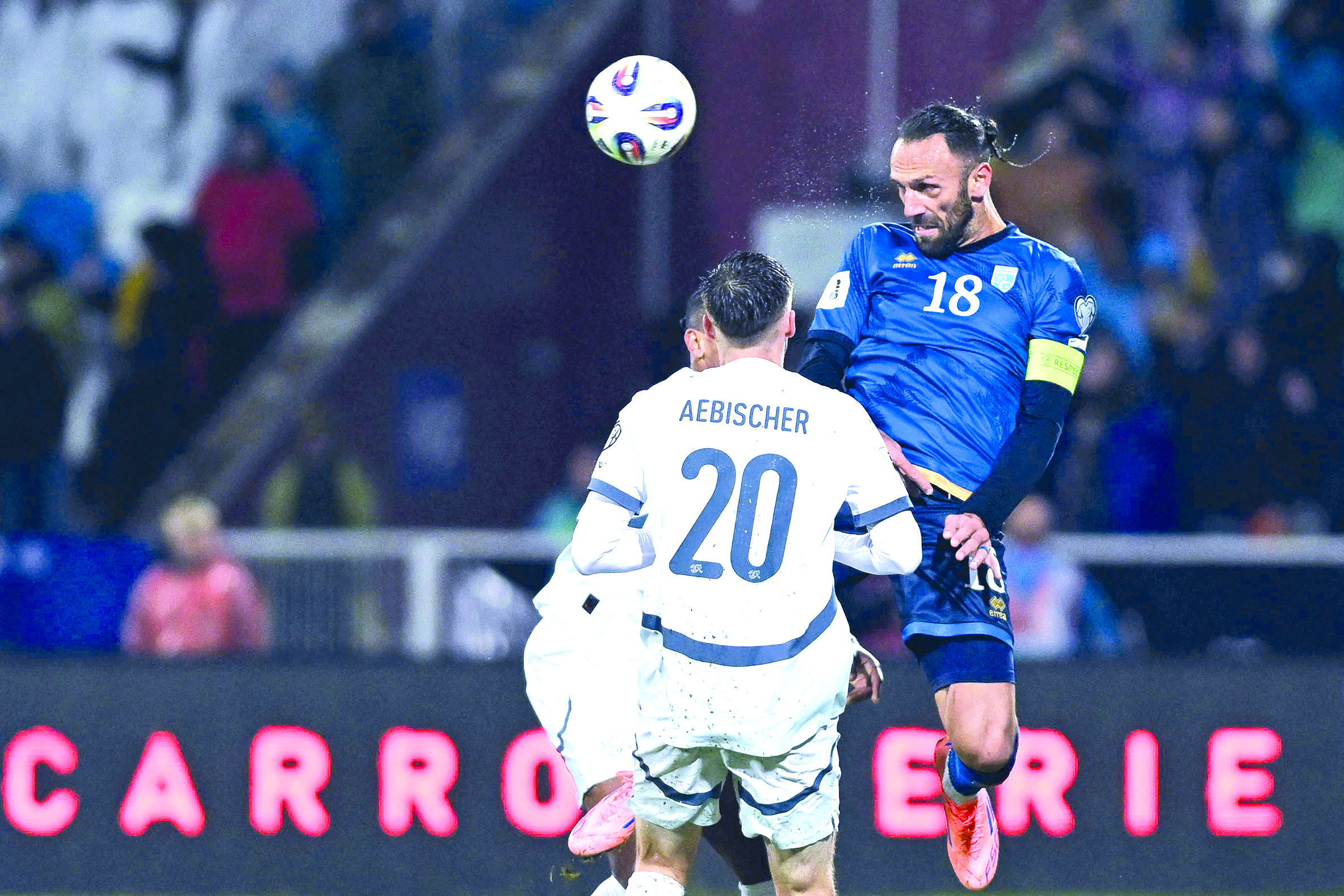
Kosovo stand two wins away from a first major tournament a decade on from their admission to UEFA and FIFA. They came second in their qualifying group after two wins over Sweden and a victory in Slovenia.
“It’s a massive opportunity for us. The whole country is buzzing with excitement. Everyone’s over the moon,” Kosovo captain Vedat Muriqi told FIFA.com.
Mallorca striker Muriqi sits second only to Kylian Mbappe in La Liga this season with 18 goals. The 31-year-old is also Kosovo’s all-time record scorer.
Slovakia, who last featured at the World Cup in 2010, host Kosovo in Bratislava while Turkey and Romania square off in Istanbul.
Turkey have not played at the World Cup since a surprise third-place finish in 2002. Romania’s most recent appearance was in 1998.
Path D
Troy Parrott’s heroics snatched the Republic of Ireland a play-off berth, but there is much still to be done if the Irish are to return to the World Cup stage.
Ireland, who haven’t featured at the tournament since 2002, head to Prague to take on the Czech Republic in the semi-finals. The winner of that tie will host the final against Denmark or North Macedonia.
“There’s a quiet confidence in the group growing together, it’s great to see but we know there’s a lot of hard work to come,” said Ireland assistant John O’Shea.
Denmark missed out on automatic qualification after a dramatic defeat in Scotland but will be expected to see off North Macedonia, whose lone tournament appearance came at Euro 2020.
Kasper Schmeichel is absent for Denmark after revealing last week that he may have played his final game, with two surgeries required to repair his damaged shoulder.
dvxgg
Related Posts