

Trump Rejects Iran Truce Plan
Tehran proposed a seven-day path to reopen the Strait of Hormuz, but Trump dismissed the offer as Iran faces mounting pressure.
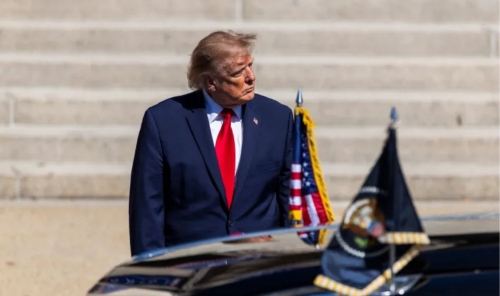
US President Donald Trump has rejected an Iranian proposal for a truce that Tehran said could restore normal shipping through the Strait of Hormuz within seven days.
Trump told reporters outside the White House on Saturday that he rejected the proposal, saying Iran wanted an agreement to reopen the strategic waterway because it was under severe pressure.
Iranian President Masoud Pezeshkian said the proposal had been developed in coordination with Supreme Leader Mojtaba Khamenei. Iranian Foreign Minister Abbas Araghchi said Tehran had presented the United States with a concrete seven-day plan through Qatar.
Under the proposal, Iran would agree to a cessation of hostilities across the Middle East, including Lebanon. In return, Tehran is seeking the release of frozen Iranian assets, the lifting of sanctions on Iranian oil and an end to the US naval blockade.
Araghchi said the Strait of Hormuz could be reopened on the seventh day of a truce, allowing normal maritime traffic to resume.
“Iran has not walked away from the negotiating table but, given past experiences, it no longer trusts the United States,” Pezeshkian said during a meeting with UN Secretary-General Antonio Guterres in New York, according to his office.
Araghchi said Iran would not accept pressure or threats, adding that the decision on whether to accept the proposal now rests with Washington.
Trump's rejection came as The Wall Street Journal reported that he remained skeptical Tehran would meet his demands and was expected to resume US bombing operations.
Trump also posted an image on Truth Social showing the Strait of Hormuz circled and labelled “Trump Strait”.
Iran's Revolutionary Guards spokesman Hossein Mohebi said Tehran would continue its actions against the United States until its seven conditions were met.
Mohebi had earlier told AFP that ending hostilities in Yemen was also among Iran's demands.
Washington and Tehran had signed a memorandum of understanding in June aimed at ending the conflict, reopening the Strait of Hormuz and starting talks on Iran's nuclear programme.
The arrangement later collapsed after Iran fired on commercial vessels in the waterway, accusing them of deviating from approved routes. Tehran requires vessels to obtain authorisation before passing through the strait, citing security and sovereignty concerns.
The Strait of Hormuz remains a critical route for global energy shipments and has become a central flashpoint in the confrontation between the United States and Iran.
Related Posts