

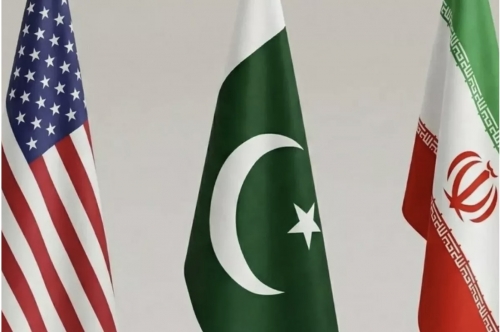
Global Leaders Welcome US-Iran Peace Deal, Urge Swift Implementation
Email:online@newsofbahrain.com
United Nations: World leaders and international organisations have welcomed a new peace agreement between the United States and Iran, describing it as a major step towards easing tensions in the Middle East and safeguarding global economic stability.
UN Secretary-General António Guterres praised the deal, which includes an immediate and permanent ceasefire, the reopening of the Strait of Hormuz, and a framework for future negotiations aimed at resolving broader disputes. He called on all parties to build on the momentum and work towards a lasting settlement, while reaffirming the United Nations' readiness to support the peace process.
The agreement has also drawn support from the European Union. European Commission President Ursula von der Leyen said the priority must now be the full and rapid implementation of the deal. She stressed that reopening the Strait of Hormuz and restoring unrestricted freedom of navigation are essential for regional security and the global economy.
European leaders said the breakthrough could pave the way for wider discussions on peace and security in the Middle East. They reiterated that Iran must not acquire nuclear weapons and expressed readiness to work with the United States, Iran and the International Atomic Energy Agency on verifiable measures related to Tehran's nuclear programme. The EU also signalled a willingness to ease certain sanctions if Iran takes concrete steps to address international concerns.
Several countries were recognised for their role in facilitating the negotiations, including Pakistan, Qatar, Egypt, Saudi Arabia and Turkiye. Qatar described the memorandum of understanding as an important opportunity to strengthen regional stability and boost international economic growth through dialogue and diplomacy.
At the same time, international leaders stressed that broader regional challenges remain unresolved. European officials renewed calls for respect for Lebanon's sovereignty and the implementation of a durable ceasefire there.
The agreement comes at a time of heightened concern over global energy security, with officials warning that disruptions in the Strait of Hormuz have demonstrated the risks of overreliance on key shipping routes. Leaders emphasised the need to diversify energy supply chains while maintaining stability in one of the world's most strategically important regions.
While many details of the accord remain to be finalised, governments involved in the process have expressed hope that the deal will mark the beginning of a wider diplomatic effort to reduce conflict and promote long-term peace in the Middle East.
Pic Credit: AFP
Related Posts