

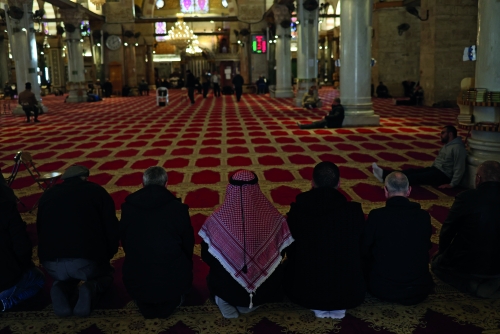
The Concept of Barakah in Ramadan: Spiritual Meaning Beyond Material Prosperity
Throughout the Muslim world, Ramadan is often described as a month filled with barakah, a term commonly translated as “blessings.” Yet within Islamic tradition, barakah carries a meaning far richer than material abundance or visible success. It refers to a divine increase — a sense of spiritual fullness, peace and lasting benefit that transcends measurable gain. During Ramadan, believers seek not merely productivity or prosperity, but a transformation of the heart and a renewal of purpose grounded in faith.
Scholars explain that barakah is not defined by quantity but by impact. A small act performed sincerely may carry immense reward, while limited resources can feel sufficient when accompanied by gratitude and contentment. Ramadan, with its structured rhythm of fasting, prayer and reflection, is seen as a unique period when barakah permeates time itself, allowing moments of worship and kindness to carry multiplied significance.
Time Enriched
Through Worship One of the most commonly experienced aspects of barakah during Ramadan is the altered perception of time. Despite shorter sleep cycles and demanding schedules, many people report feeling spiritually energized and emotionally balanced throughout the month. Acts that might feel burdensome at other times — waking before dawn, extended prayers or nightly gatherings — often become sources of tranquility.
Religious teachers attribute this to the spiritual discipline encouraged during Ramadan. By reducing distractions and focusing on remembrance of God, believers experience a heightened awareness of purpose. The day becomes structured around meaningful actions, and ordinary routines acquire spiritual dimension.
The final ten nights of Ramadan are especially associated with barakah, particularly Laylat al-Qadr, believed to be a night whose spiritual value exceeds that of a thousand months. For many worshippers, this belief reinforces the idea that divine blessing can expand the significance of even brief moments of devotion.
Barakah in Relationships and Community
Beyond individual spirituality, barakah is also understood to manifest in relationships. Ramadan encourages reconciliation, forgiveness and generosity, strengthening family ties and social cohesion. Shared iftar meals, acts of charity and communal prayers foster a sense of unity that many communities struggle to maintain during the rest of the year.
Families often describe Ramadan as a time when homes feel more peaceful and connected. Conversations deepen, conflicts soften and hospitality becomes more intentional. In this context, barakah is experienced not as material gain but as harmony — a collective sense of well-being rooted in compassion and mutual care.
Communal generosity further amplifies this experience. As charitable giving increases, communities witness tangible improvements in the lives of those in need, reinforcing the belief that blessings multiply when shared.
Simplicity Over Excess
Paradoxically, Ramadan teaches that barakah often emerges through restraint rather than accumulation. Fasting cultivates mindfulness about consumption, reminding individuals that fulfillment does not depend solely on abundance. Many believers find that simpler meals, reduced distractions and intentional living create a deeper sense of satisfaction.
Religious scholars frequently emphasize that barakah lies in balance — using resources responsibly while maintaining gratitude. This perspective challenges modern assumptions that success is measured primarily through material achievement, offering instead a spiritual framework centered on meaning and ethical living.
The Invisible Dimension of Prosperity
In contemporary societies marked by rapid economic growth and constant connectivity, the concept of barakah offers an alternative understanding of prosperity. It suggests that true enrichment includes clarity of mind, peace of heart and beneficial outcomes that endure beyond immediate circumstances.
During Ramadan, this idea becomes particularly tangible. Individuals often report increased patience, generosity and emotional resilience, qualities viewed as signs of spiritual blessing rather than coincidence. The month provides a reminder that prosperity encompasses moral and spiritual well-being alongside financial stability.
Carrying Barakah Beyond Ramadan
While Ramadan is considered a peak period for experiencing barakah, Islamic teachings encourage believers to carry its lessons into daily life throughout the year. Maintaining gratitude, nurturing relationships and prioritizing ethical conduct are seen as ways to preserve the blessings cultivated during the holy month.
Ultimately, the concept of barakah reframes Ramadan as more than a ritual observance. It becomes a transformative journey in which spiritual awareness reshapes how success, happiness and fulfillment are understood. In seeking barakah, believers pursue not simply more, but better — lives enriched by purpose, compassion and enduring meaning beyond material prosperity.
hhfhgh
Related Posts