

GCC Eyes New Energy Future Beyond Hormuz After Riyadh Summit
email: online@newsofbahrain.com
Riyadh: The Gulf Cooperation Council (GCC) appears to be entering a new strategic phase after months of regional instability exposed the risks of relying too heavily on the Strait of Hormuz.
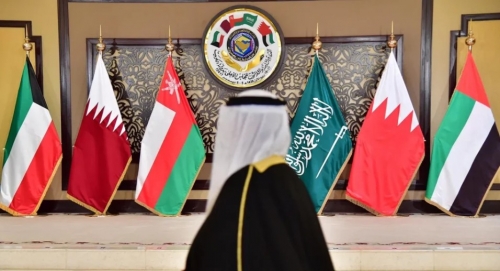
At a recent consultative summit chaired by Saudi Crown Prince HRH Mohammed bin Salman in Jeddah, Gulf leaders discussed security threats, energy disruptions and the need for stronger regional coordination. While official statements remained measured, the direction was clear: the Gulf wants to become more resilient, more connected and less vulnerable to future crises.
Reducing Dependence on the Strait of Hormuz
The Strait of Hormuz remains one of the most important shipping routes in the world, with roughly one-fifth of global oil and gas trade passing through it during normal times. However, recent military tensions and disruptions highlighted how quickly instability in the waterway can affect energy prices, shipping costs and global markets.
That experience has encouraged Gulf countries to accelerate plans for alternative export routes.
Saudi Arabia already has the East-West Pipeline, which carries crude oil from the Gulf coast to the Red Sea, allowing exports to bypass Hormuz. The UAE also operates a pipeline that sends oil from Abu Dhabi to Fujairah on the Gulf of Oman, creating another route outside the strait. Oman’s coastline on the Arabian Sea gives it direct strategic value as an export and logistics hub.
Now, Gulf policymakers are looking at how these existing routes can be expanded into a broader regional network.
A New Energy Corridor for the Gulf
Discussions are increasingly focused on a future GCC energy corridor that could link member states through pipelines, storage facilities and multiple export terminals.
Instead of depending heavily on a single chokepoint, the Gulf could use several routes across the Red Sea, Gulf of Oman and Arabian Sea. This would allow energy exports to continue even if one route becomes restricted during conflict.
Such a system would not only improve resilience, but also strengthen the Gulf’s position as one of the world’s most reliable energy suppliers.
What Unified Infrastructure Really Means
The summit also highlighted the concept of unified infrastructure development across the GCC. This goes beyond oil pipelines.
It points to a more integrated Gulf economy where electricity grids, gas systems, railways, ports and logistics hubs are increasingly linked across borders. Digital infrastructure, including cybersecurity systems and smart trade networks, may also become part of this strategy.
The long-term aim appears to be replacing six separate national systems with one stronger regional platform.
A Shift Toward Collective Security
One of the most important changes may be in how Gulf countries now view security.
Recent attacks on energy sites and civilian infrastructure showed that threats to one GCC country can quickly affect the rest of the region through supply chains, investor confidence and shared economic interests.
As a result, Gulf states increasingly seem to view threats against one member as a concern for all. This could lead to stronger coordination in missile defence, intelligence sharing, maritime security and protection of strategic infrastructure.
Why It Matters Globally
If these plans move forward, the impact could extend far beyond the Gulf.
More diversified export routes would help reduce the risk of sudden oil and gas supply shocks. Shipping insurance costs could ease, and energy-importing countries such as India, China, Japan and many European economies would benefit from more stable supply.
A more integrated Gulf could also gain greater influence in global trade, investment and energy diplomacy.
A Defining Regional Moment
This summit may eventually be seen as more than a meeting held during a crisis. It may mark the beginning of a new Gulf strategy focused on resilience, regional unity and long-term economic strength.
Rather than simply reacting to instability, the GCC now appears to be planning for a future where it can better withstand it.
If implemented successfully, these changes could reshape the Gulf region and influence global markets for years to come.
Related Posts