

Iran War has 'disproportionate impact' on Asia Pacific: Australia FM
Email: online@newsofbahrain.com
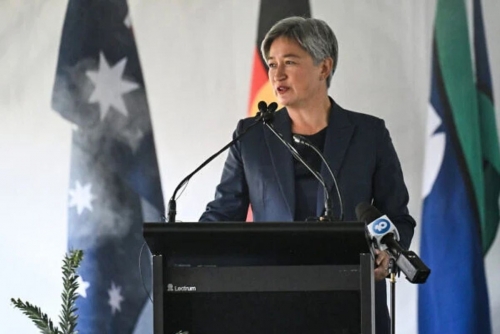
CANBERRA: The Australian Foreign Minister has issued a significant warning regarding the geopolitical consequences of a potential conflict involving Iran, stating that such a war would have a "disproportionate impact" on the Asia-Pacific region. These remarks highlight the deep economic and security interdependencies that link the Middle East to the broader Indo-Pacific landscape.
A primary concern remains the disruption of critical energy corridors. The Asia-Pacific region is heavily reliant on oil and gas imports that transit through the Persian Gulf. Any military escalation that threatens maritime security in the Strait of Hormuz would likely lead to immediate energy price shocks, severely affecting the manufacturing and transport sectors of major Asian economies.
Beyond economics, the minister emphasized the risk of regional instability and the potential for a ‘contagion effect.’ A conflict in the Middle East could divert global diplomatic and military resources away from the Indo-Pacific, creating power vacuums that might be exploited by other regional actors, thereby undermining the established rules-based order.
Australia has called for a renewed focus on de-escalation and diplomacy, urging all parties to exercise maximum restraint. The Foreign Minister noted that the interconnected nature of modern global trade means that a localized conflict can no longer be contained within its geographical borders, particularly given the reliance of the East on Western stability.
The humanitarian implications were also addressed, with concerns that a major conflict would trigger significant displacement and refugee crises. Such events would place immense pressure on international aid systems and regional security frameworks that are already stretched thin by existing global tensions.
Ultimately, Australia’s stance serves as a call for a coordinated international response to prevent a descent into open warfare. By emphasizing the stakes for the Asia-Pacific, the Australian government is advocating for a more inclusive approach to Middle Eastern security that acknowledges the vital interests of the world's most populous and economically dynamic region.
Photo Credits: AFP
Email: online@newsofbahrain.com
CANBERRA: The Australian Foreign Minister has issued a significant warning regarding the geopolitical consequences of a potential conflict involving Iran, stating that such a war would have a "disproportionate impact" on the Asia-Pacific region. These remarks highlight the deep economic and security interdependencies that link the Middle East to the broader Indo-Pacific landscape.
A primary concern remains the disruption of critical energy corridors. The Asia-Pacific region is heavily reliant on oil and gas imports that transit through the Persian Gulf. Any military escalation that threatens maritime security in the Strait of Hormuz would likely lead to immediate energy price shocks, severely affecting the manufacturing and transport sectors of major Asian economies.
Beyond economics, the minister emphasized the risk of regional instability and the potential for a ‘contagion effect.’ A conflict in the Middle East could divert global diplomatic and military resources away from the Indo-Pacific, creating power vacuums that might be exploited by other regional actors, thereby undermining the established rules-based order.
Australia has called for a renewed focus on de-escalation and diplomacy, urging all parties to exercise maximum restraint. The Foreign Minister noted that the interconnected nature of modern global trade means that a localized conflict can no longer be contained within its geographical borders, particularly given the reliance of the East on Western stability.
The humanitarian implications were also addressed, with concerns that a major conflict would trigger significant displacement and refugee crises. Such events would place immense pressure on international aid systems and regional security frameworks that are already stretched thin by existing global tensions.
Ultimately, Australia’s stance serves as a call for a coordinated international response to prevent a descent into open warfare. By emphasizing the stakes for the Asia-Pacific, the Australian government is advocating for a more inclusive approach to Middle Eastern security that acknowledges the vital interests of the world's most populous and economically dynamic region.
Photo Credits: AFP
Related Posts