

World Autism Day: Support, Accept, Empower Inclusion Is Not Optional, It Is Essential
TDT | Manama
Email: mail@newsofbahrain.com
As the world marks World Autism Awareness Day, the United Nations has once again underscored a clear message: autistic individuals are entitled to the same fundamental rights as everyone else. Inclusion, it stresses, is not a choice but a necessity.
The message reinforces a growing global understanding that neurodiversity is part of human diversity, and that every individual—regardless of where they fall on the autism spectrum deserves access to education, employment, healthcare, and dignity.
Moving Beyond Labels
Bringing the conversation into a local context, Dr. Shaikha Rania bint Ali Al Khalifa, founder of Halla Café and the Alia Rehabilitation Center, emphasised that autism cannot be viewed through a single lens.
“They are like fingers—no two are alike,” she said in a recent interview with The Daily Tribune, highlighting the wide variation in abilities, strengths, and support needs among autistic individuals.
Her perspective reflects a broader shift in understanding autism not as a uniform condition, but as a spectrum of diverse developmental journeys. While some individuals are capable of pursuing higher education and professional careers, others may require ongoing support—making personalised opportunities and tailored care essential.
Understanding the Scale
A 2025 field study conducted by Arabian Gulf University in collaboration with public hospitals and the Primary Health Care Department at the Ministry of Health found that autism spectrum disorder (ASD) affects approximately 2.6% of preschool children aged between three and six years.
Behind these figures are families navigating everyday realities shaped by care, therapy, education, and inclusion.
A Parent’s Perspective
For many parents, autism is not a statistic but a lived experience.
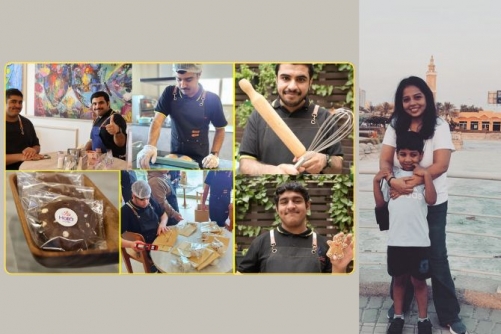
“As a parent of an autistic child, my journey has been both challenging and deeply rewarding,” said long-time resident Charmy Christian.
She highlighted the growing ecosystem of support in Bahrain, pointing to increased awareness and access to specialised education and therapy services.
“In Bahrain, I have found strong community awareness and support for children with special needs, which helps create a more understanding environment for families,” she said.
She also noted the importance of institutions such as BISSE and Alia School, along with therapy centres offering ABA, occupational, and speech therapy services. Initiatives like Halla Café, which provides employment opportunities for autistic youth, were also praised as meaningful steps toward inclusion.
Related Posts