

Bridging Bahrain’s Future
TDT | Manama
Email : editor@newsofbahrain.com
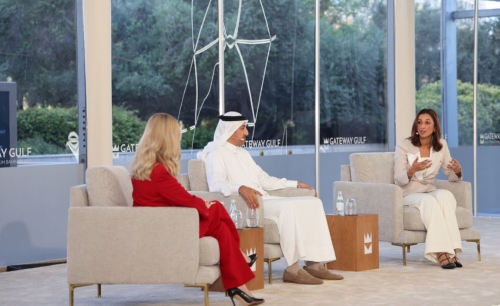
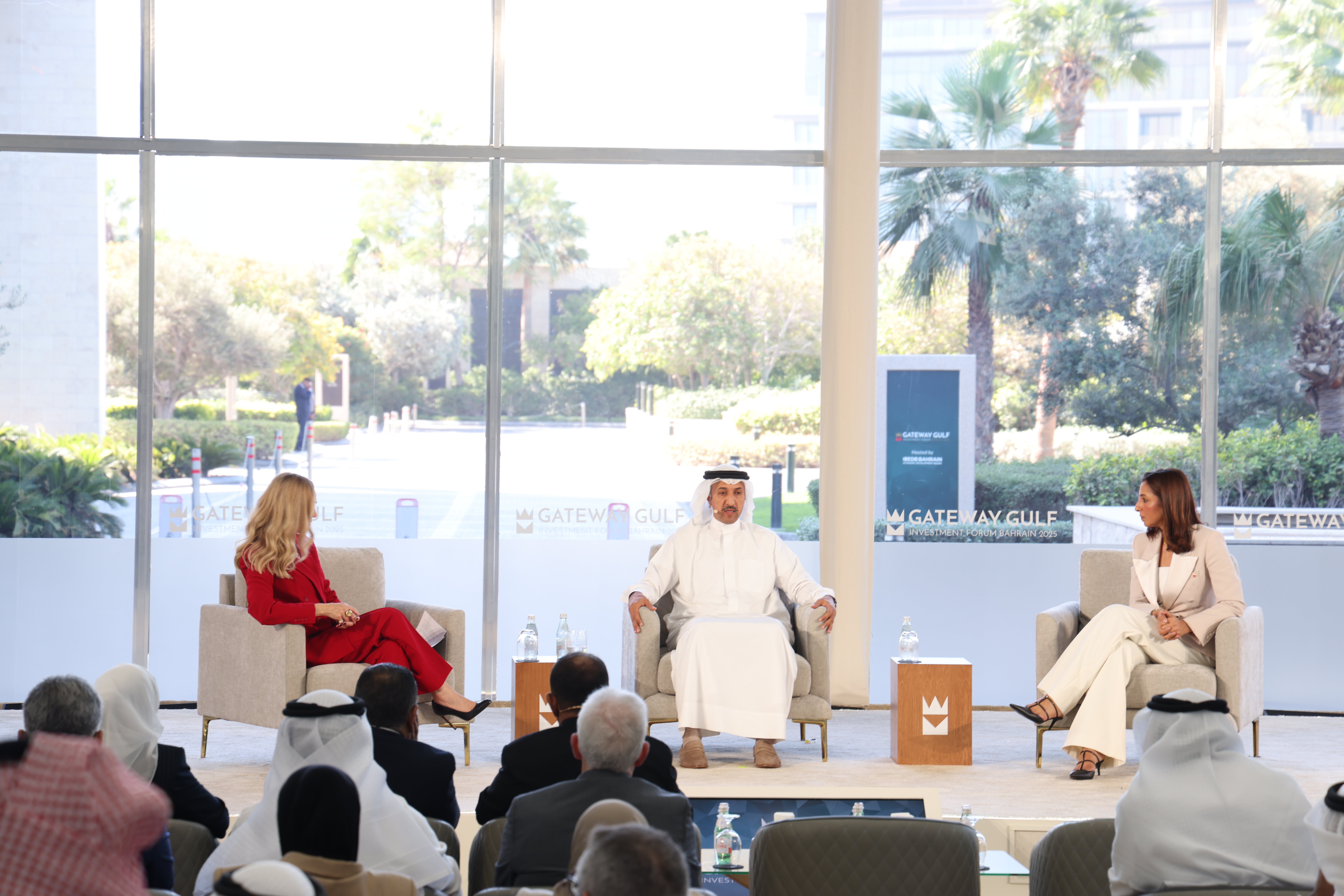
Bahrain’s next phase of economic diversification will hinge on connectivity, sustainability and human capital, senior ministers said at the Gateway Gulf Investment Forum yesterday, outlining how the Kingdom is evolving from infrastructure-led development to innovation-led growth.
H.E. Dr. Shaikh Abdullah bin Ahmed Al Khalifa, Minister of Transportation and Telecommunications, said Bahrain aims to develop a centre for excellence in aviation and logistics built on 75 years of experience.
“Our main gateways - air, land and sea - are being developed for speed, quality and efficiency,” H.E. said, noting four pillars of focus: commercial airlines, private jets, cargo operations and maintenance, repair and overhaul (MRO).
His Excellency cited ongoing cooperation with partners, along with new partnerships being announced, adding that Bahrain’s port, run by APM Terminals, has been named among the most efficient ports. Plans include upgrading marine, yacht and logistics services to strengthen regional supply chains, the Minister said.
H.E. Shaikh Abdulla also highlighted two strategic infrastructure projects - the 40 km Bahrain–Saudi causeway that will include a rail line and the wider GCC Rail Network. “These will enhance connectivity and boost economic integration,” H.E. said.
The Minister said Bahrain now enjoys 100 per cent 5G coverage, backed by new data centres and subsea cable links connecting the Kingdom to 40 countries. “These investments position Bahrain as a digital gateway for the region,” H.E. said.
Sustainability focus
On green growth, H.E. Shaikh Abdulla revealed Bahrain’s ports have reduced emissions by over 60 percent through renewable energy, electrification and energy optimisation. “We aim to make Bahrain the first regional port fully powered by solar energy,” H.E. said.
H.E. added that aviation sustainability efforts include electrifying ground equipment and preparing for sustainable aviation fuel, alongside GCC-wide plans to create a unified Gulf upper airspace to shorten routes and cut fuel burn.
Human capital
H.E. Noor bint Ali Al Khulaif, Minister of Sustainable Development and Chief Executive of the Bahrain Economic Development Board, said Bahrain’s success lies in relying on the private sector as the driver of growth, with government as facilitator.
Her Excellency noted that no single sector now exceeds 20 per cent of GDP, with financial services, manufacturing, logistics, and technology all expanding. “We have the right enablers - a cloud-first government, competitive regulation and adaptable human capital,” she said.
H.E. Alkhulaif emphasised future readiness through education and skills reform. “We’re aligning university outcomes with future market needs - using human capital to influence the direction of our economy,” she said, crediting Tamkeen for its continuous workforce development.
Partnership model
Her Excellency also said Bahrain’s public-private partnership (PPP) framework allows major infrastructure such as social housing, cloud connectivity, and data centres to be led by the private sector, reducing fiscal pressure while spurring investment.
“The goal is clear,” Alkhulaif said. “To make Bahrain future-ready - agile, digital, and driven by people.”
sdfsdf
Related Posts