

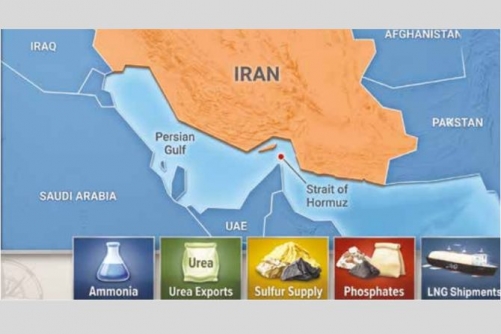
Hormuz Disruptions Raise Hunger Risks
TDT | Manama
Email : editor@newsofbahrain.com
The United Arab Emirates has been elected to the Executive Board of the World Food Programme for the 2026–2028 term, at a time of escalating global food security challenges and ongoing disruptions in key maritime routes.
The election highlights the UAE’s growing role in global humanitarian efforts. Dubai hosts the largest United Nations humanitarian logistics hub near Jebel Ali Port, enabling rapid redirection of aid during supply chain disruptions. The country also activated land corridors and established international air bridges, delivering vital supplies to over 100 countries during the COVID-19 pandemic.
The UN Humanitarian Response Depot in Dubai continues to deploy alternative land, sea, and air routes to ensure life-saving aid reaches affected populations across Asia and Africa, despite delays impacting tens of thousands of tonnes of assistance.
The UAE’s new role marks a shift from being a major donor to a strategic partner, aligning humanitarian response with sustainable development and resilient food systems.
UAE Ambassador to the UN, Mohamed Abushahab, said the membership would strengthen the country’s role in shaping WFP strategies, focusing on innovation, logistics efficiency, and resilient food systems.
The appointment comes at a critical time as traffic through the Strait of Hormuz has dropped by more than 90% since February 28, 2026, amid rising regional tensions and threats to maritime security. The strait is a vital global route, handling a significant share of oil, gas, and fertilizer trade.
Disruptions in the waterway pose direct risks to global food security, especially as Gulf countries account for a large portion of global fertilizer exports. The United Nations has warned that the ongoing situation could push an additional 45 million people into acute hunger, with millions more at risk of falling into poverty in the Arab region.
The UAE has reaffirmed its commitment to working through international platforms to address threats to maritime navigation and support efforts to reopen and secure the Strait of Hormuz. It stressed that protecting freedom of navigation is a shared global responsibility to maintain economic stability and ensure food supplies reach those in need.
The country also emphasized that using maritime routes as a tool of economic pressure threatens global supply chains and violates international law.
As part of its expanded role, the UAE aims to lead efforts to ensure food reaches vulnerable populations despite supply chain challenges.
In a related development, the UAE was also re-elected on April 8, 2026, to the Executive Board of UN Women for the 2026–2028 term, reinforcing its commitment to gender equality and women’s empowerment. Additionally, the UAE was elected, alongside Saudi Arabia, India, and China, to the UN Committee on Non-Governmental Organizations for the 2027–2030 term.
Related Posts