

US Hosts Israel–Lebanon Talks as War Continues, But Hopes for Breakthrough Remain Low
email:online@newsofbahrain.com
Washington DC: Representatives from Lebanon and Israel are set to meet in Washington for US-mediated talks aimed at ending the ongoing conflict in Lebanon. However, expectations for a breakthrough remain low.
The talks are being led by Marco Rubio and will include senior diplomats from both countries. This marks the first direct high-level discussions between Israel and Lebanon since 1993. The goal is to improve security along Israel’s northern border and support Lebanon’s control over its own territory.
But divisions between the two sides are deep. Benjamin Netanyahu has called for the complete disarmament of Hezbollah and a long-term peace agreement. Meanwhile, Lebanon’s President Joseph Aoun hopes the talks will first lead to a ceasefire, followed by broader negotiations.
The situation is further complicated by Hezbollah’s stance. Its leader, Naim Qassem, has already dismissed the talks as “futile” and called for them to be cancelled. Israel has also made it clear that it will not agree to a ceasefire while Hezbollah continues its attacks.
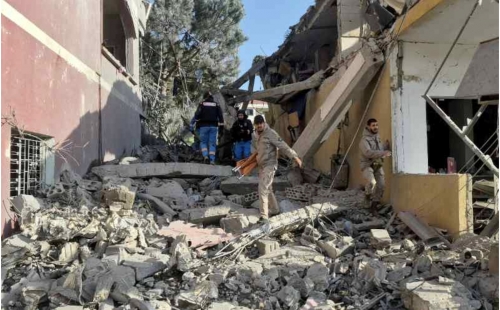
The conflict began on March 2, when Hezbollah launched attacks on Israel, pulling Lebanon into the wider regional war involving Iran. Since then, Israeli airstrikes and military operations — including heavy attacks on Beirut — have killed more than 2,000 people and forced over a million to flee their homes. Israeli ground forces have also moved into southern Lebanon.
The US is trying to balance multiple priorities — supporting Israel’s security, respecting Lebanon’s sovereignty, and pushing for Hezbollah’s disarmament. However, these goals are difficult to align, making any agreement hard to achieve.
Analysts and officials say the chances of a deal are slim, with some warning that fighting could continue and even expand, including the possibility of Israel creating a buffer zone in southern Lebanon.
Related Posts