

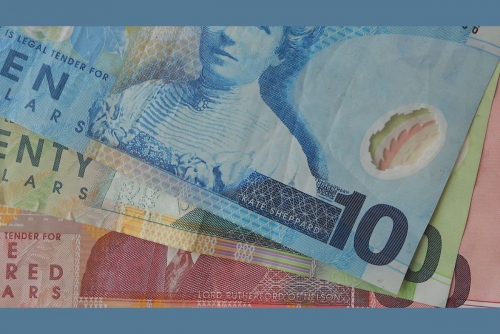
New Zealand Rolls Out Cash Payments as Fuel Crisis Deepens
Email: online@newsofbahrain.com
Wellington: The government of New Zealand has announced a temporary cash relief package to help low- and middle-income families cope with rising fuel costs triggered by the ongoing Middle East conflict 2026.
Prime Minister Christopher Luxon and Finance Minister Nicola Willis said around 143,000 working families with children will receive an additional NZ$50 per week through an increase in the in-work tax credit. A further 14,000 families with slightly higher incomes will also qualify for reduced payments.
The support will begin on April 1 and continue for up to one year, or until petrol prices fall below NZ$3 per litre for four consecutive weeks.
Fuel prices in New Zealand have risen by 40–50 cents per litre since the conflict began, pushing average petrol prices above NZ$3. The surge has strained household budgets, with some fuel stations reporting shortages amid panic buying. The country currently holds about 46 days of fuel reserves.
Luxon said the government’s priority is maintaining fuel supply while easing pressure on households. Willis described the policy as targeted support for working families who are not eligible for welfare benefits but are struggling with rising living costs.
However, critics including Marama Davidson argued the package excludes some of the most vulnerable groups, such as benefit recipients, retirees and unpaid carers.
Globally, governments are adopting a range of measures to tackle the fuel crisis. The Philippines is considering reduced work weeks to cut energy demand, while Sri Lanka has implemented fuel rationing. Ireland is preparing fuel tax cuts, and South Korea and Thailand have introduced price caps and subsidies.
In the Pacific, the Marshall Islands plans to reduce income taxes to ease cost-of-living pressures.
New Zealand is believed to be the first country to introduce direct cash payments specifically to offset fuel costs, highlighting its vulnerability as a trade-dependent and geographically isolated economy.
Related Posts