

Iran Rejects Trump’s 48-Hour Ultimatum, Threatens Retaliation Against Energy Infrastructure
Iran has firmly rejected U.S. President Donald Trump’s 48-hour ultimatum demanding the reopening of the Strait of Hormuz, warning that any attack on its energy infrastructure would trigger retaliatory strikes on U.S. and Israeli assets in the region.
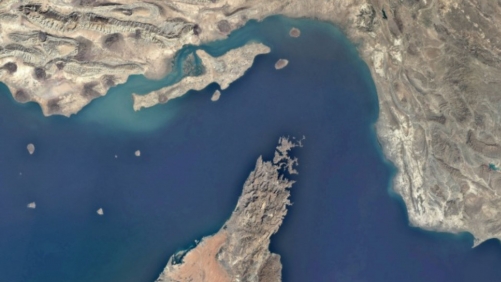
The Strait of Hormuz, a vital maritime route through which roughly 20% of the world’s oil passes, has been effectively blocked by Tehran following military attacks by the U.S. and Israel on February 28, escalating tensions across the Middle East. In a post on Truth Social on Saturday evening, Trump threatened to target Iran’s power plants if the strait was not reopened within two days.
In response, Iranian officials, including Col. Ebrahim Zolfaqari of the Khatam al-Anbiya military command, stated that any attack on Iran’s fuel or energy infrastructure would be met with strikes against American and Israeli energy, IT, and desalination facilities. Mohammad-Bagher Ghalibaf, speaker of the Iranian parliament, further warned that attacks on Iran’s power plants would have long-term consequences on regional energy supply and oil prices.
Experts say Trump’s threats may have limited impact. Ross Harrison, a senior fellow at the Middle East Institute, explained that military action alone is unlikely to force Iran to reopen the strait, given the risk of retaliatory escalation and disruption to global shipping. Insurance companies have reportedly been hesitant to cover vessels transiting the strait due to ongoing conflict.
Meanwhile, the Trump administration has taken steps to mitigate the global energy impact, including lifting certain sanctions on Iranian and Russian oil and temporarily easing shipping restrictions under the Jones Act. Despite these measures, global oil prices have surged, and retail fuel costs in the U.S. have increased significantly since the start of the year.
Iran has allowed limited vessel passage for ships not associated with its declared enemies, although several ships have been attacked in recent weeks. Analysts suggest that Tehran is unlikely to yield to U.S. pressure, with some observers noting that Iran may continue to escalate the situation to deter further threats.
As the standoff continues, the international community remains on alert, monitoring developments in the region that could further disrupt energy markets and global trade.
Related Posts