

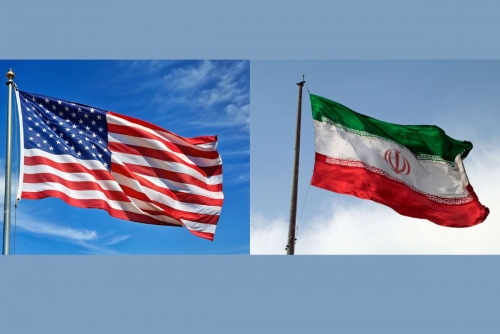
Vance Says Trump Favors Diplomacy With Iran Ahead of Key Talks
Email: online@newsofbahrain.com
Washington: Senior Iranian and U.S. officials are preparing to hold a third round of indirect nuclear negotiations in Geneva, Switzerland, amid rising geopolitical tensions and mounting pressure from new American sanctions. Tehran’s delegation, led by Foreign Minister Abbas Araghchi, arrived in Geneva this week ahead of talks scheduled for Thursday, with optimism expressed on both sides about finding common ground.
The United States has amplified pressure on Iran by imposing new economic penalties targeting more than 30 individuals, entities, and oil-linked vessels that Washington says facilitate Tehran’s revenue and weapons programmes. This “maximum pressure” strategy is designed to strengthen U.S. leverage as negotiators attempt to rein in Iran’s nuclear activities and related missile developments.
U.S. Vice President JD Vance reiterated that President Donald Trump still prefers a diplomatic path to resolving the standoff but made clear that military options are part of the administration’s toolkit if talks fail. Vance said Trump hopes Iranian negotiators recognise the seriousness of Washington’s offer to seek a peaceful settlement in the negotiations.
Vance labelled Iran as a significant state sponsor of terrorism and stressed Washington’s goal of preventing Tehran from acquiring nuclear weapons. While diplomacy remains the preferred route, he indicated that “other tools” remain available to force compliance if necessary. Critics argue this dual approach coupling sanctions and threats with dialogue complicates the diplomatic environment.
Iranian officials have struck a cautiously positive tone about the talks. President Masoud Pezeshkian said there is a “favourable outlook” if diplomacy is prioritised, and Iranian negotiators have prepared proposals aimed at addressing mutual concerns. Iran insists its nuclear programme is peaceful, though its enrichment activities have raised alarm in Western capitals.
The outcome of the Geneva meetings could shape the future course of U.S.–Iran relations. the talks, come against a backdrop of heightened military posturing and economic sanctions. Both sides express a desire to avoid conflict, but deep mistrust and sharp policy differences persist as negotiators work toward at least a partial breakthrough.
Related Posts