

Venezuela Upsizes Oil Shipments, Eyes India
Email: online@newsofbahrain.com
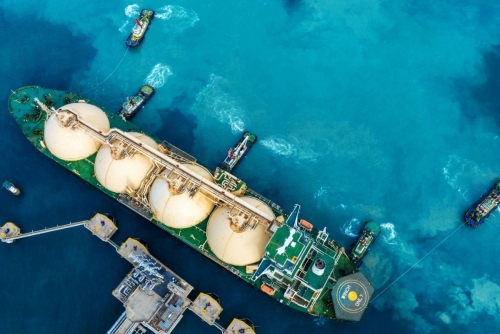
Caracas : Venezuela is stepping up its crude oil exports by chartering Very Large Crude Carriers (VLCCs) the biggest tankers in the trade for shipments expected to begin in March. The shift comes after a Caracas-Washington supply agreement reopened Venezuelan crude flows to global markets following years of sanctions and logistical stagnation. These vessels can carry up to 2 million barrels apiece, effectively doubling the payload of traditional tankers and cutting transport costs for buyers.
Trading firms Vitol and Trafigura have secured VLCCs including the Nissos Kea, Nissos Kythnos and Arzanah with March loading windows at Venezuela’s main export hub in Jose, operated by state energy firm PDVSA. Another super-tanker, Olympic Lion, was also routing to Venezuelan waters, indicating preparations for larger, more cost-efficient cargoes heading toward Asia.
Using VLCCs will not only accelerate deliveries but also reduce freight costs and ease tanker shortages that have hampered the country’s export growth. This marks a logistical upgrade from earlier shipments that relied on medium-sized tankers.
India once a major buyer of Venezuelan crude before sanctions hit in 2019 is reengaging with the South American supplier. Major Indian refiners are positioning themselves to take advantage of the renewed flows and larger cargoes, which help diversify crude sources beyond traditional suppliers like Russia and the Middle East.
In a notable development, Chevron sold its first Venezuelan crude cargo to India’s Reliance Industries since 2023, a shipment of Boscan heavy crude intended for refinery use. The move is seen as a sign of growing commercial confidence and a broader reopening of Venezuela’s oil sector.
In addition to Reliance, Indian state-run firms such as Bharat Petroleum Corporation and HPCL Mittal Energy have also been active, with shipments co-loaded on large carriers to cut logistic costs. These purchases underscore India’s bid to diversify crude sources and accommodate heavier grades like Venezuela’s Merey crude, which fits well with complex refinery configurations.
The trend reflects a broader recalibration of India’s import portfolio as refiners balance commercial viability, discounted crude grades, and strategic energy security priorities.
Venezuela’s oil exports have rebounded to roughly 800,000 barrels per day in January, up sharply from late 2025 levels, as U.S. policy shifts eased barriers to foreign sales. However, the surge has left millions of barrels in storage and traders are betting that larger cargoes bound for buyers like India will help reduce inventories and ramp up flows.
Related Posts