

A “Breathalyser” for this war!
The roar of modern warfare is often measured in casualties and territorial shifts, but its most insidious toll is written in the atmosphere. Beyond the immediate devastation of infrastructure, present-day conflicts are environmental catastrophes that choke the planet long after the guns go silent.
When missiles strike fuel depots and industrial hubs, they release a toxic cocktail of particulate matter, heavy metals, and carcinogens. Military hardware itself—massive, carbon-intensive machines—contributes to a staggering carbon footprint that remains largely exempt from international climate tallies.
In active war zones, the air becomes a thick shroud of "war dust," a mixture of pulverized concrete, chemicals, and explosives that settles into the lungs of those trapped in the crossfire.
Yet, atmospheric data reveals a startling paradox in regional air quality. Despite the proximity to regional volatilities, recent studies indicate that the air quality in major Gulf cities remains significantly better than that of some large cities in Asia during its "peacetime." While the Gulf faces seasonal dust storms, other large cities air is frequently saturated with a lethal density of crop-burning smoke and industrial smog that exceeds World Health Organization limits by twentyfold. It is a sobering reminder that systemic, everyday pollution in a peaceful metropolis can, at times, rival the atmospheric toxicity of a combat zone.
The ultimate victims of this environmental degradation— whether from the smoke of war or the smog of industry— are children. Their smaller bodies and faster breathing rates make them uniquely vulnerable. In conflict zones, children are innocent bystanders inhaling the remnants of destroyed cities; in polluted capitals, they inherit stunted lung development and chronic asthma. They are the silent stakeholders of a world they did not break, forced to breathe the consequences of adult failures.
Protecting the environment is not a secondary concern to be addressed after "more urgent" geopolitical issues; it is a fundamental human right. Until we recognize that clean air is a prerequisite for life, we will continue to sacrifice the health of the next generation at the altar of conflict and unchecked industrialization.
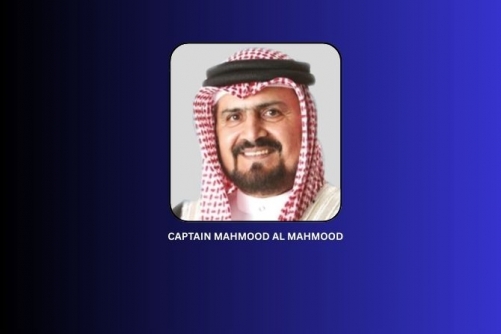
(Captain Mahmood Al Mahmood is the Editor-in-Chief of The Daily Tribune and the President of the Arab-African Unity Organisation for Relief, Human Rights and Counterterrorism)
Related Posts