

WHAT’S NEXT ON PARLIAMENT’S AGENDA?
TDT | Manama
Email: mail@newsofbahrain.com
BD84m in Unpaid Utility Bills
Electricity Costs Soar as Bahrain Subsidises One-Third of Supply
Overdue utility bills in Bahrain have climbed to BD84 million, as the cost of electricity supply surged to more than BD550 million in 2024, according to figures submitted to Parliament.
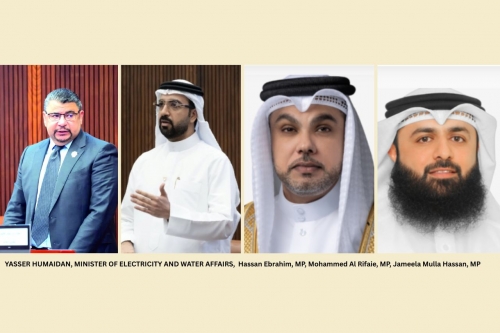
In a written reply to MP Hassan Ebrahim, Electricity and Water Affairs Minister Yasser Humaidan said total electricity costs reached BD550.8m, including BD416.8m for generation, BD79m for transmission and BD55m for distribution.
Despite revenues of BD375.5m, the government covered a shortfall of BD175.3m in tariff support—around 32 per cent of total costs.
Subsidies remained heavily concentrated on Bahraini households, particularly for lower consumption. The first residential account received the largest share, with support covering up to 89 per cent of costs for usage below 3,000 kilowatt-hours.
Meanwhile, unpaid bills reached BD84.01m, with the largest share linked to Bahraini households. The ministry said arrears span multiple years, making annual comparisons difficult.
The ministry said flexible payment plans are available, including instalments and a fixed-payment scheme designed to help households manage seasonal spikes in electricity use, particularly during summer.
Efforts to curb demand include public awareness campaigns and ongoing solar energy projects.
Demand for Solar Grows
Bahrain is accelerating its push into clean energy, with dozens of new renewable projects underway as part of a broader strategy to expand solar power and cut emissions.
The Electricity and Water Authority (EWA) said it is currently working on 54 renewable energy projects that will help raise distributed generation capacity to around 500 megawatts (MW). This comes on top of 372 projects already completed, with a combined capacity exceeding 141MW.
The authority also confirmed plans for large-scale solar developments across the kingdom, including the expansion of the Al Dur renewable energy project and a tender for Bahrain’s first utility-scale solar power station.
EWA said demand for solar installations has grown steadily, particularly after simplifying procedures and moving applications fully online through the Benayat platform. Since 2023, around 400 net-metering applications have been completed, with installations rising each year. Across the country, renewable systems now contribute more than 230 gigawatt-hours of electricity annually, supported by regulations that allow homes and businesses to generate power and feed excess energy back into the grid in exchange for bill credits.
State Covers 32% of Power Costs
The government is covering a significant share of electricity and water costs in Bahrain, with consumers paying only part of the actual price, according to the Electricity and Water Authority (EWA).
In a written reply to Parliament, EWA said customers pay about 68 per cent of electricity costs, while the remaining 32 per cent is subsidised by the state. For water, consumers cover around 48 per cent, with the government funding the majority share.
The authority also reported savings of roughly BD170 million over the past three years, achieved through efficiency measures rather than tariff increases. Cost reductions reached about BD30 million in 2022, followed by BD70 million in both 2023 and 2024.
EWA said the improvements were part of efforts to balance revenue and expenditure under the Government Programme, adding that the measures remain in place and are reviewed cost of electricity production, transmission and distribution reached BD551 million in 2024, while water costs stood at BD162 million. Similar levels are expected in 2025.
The authority noted that recent tariff adjustments for some users were aimed at maintaining service continuity and supporting infrastructure upgrades.
EWA Details Action in Certificate Fraud Case
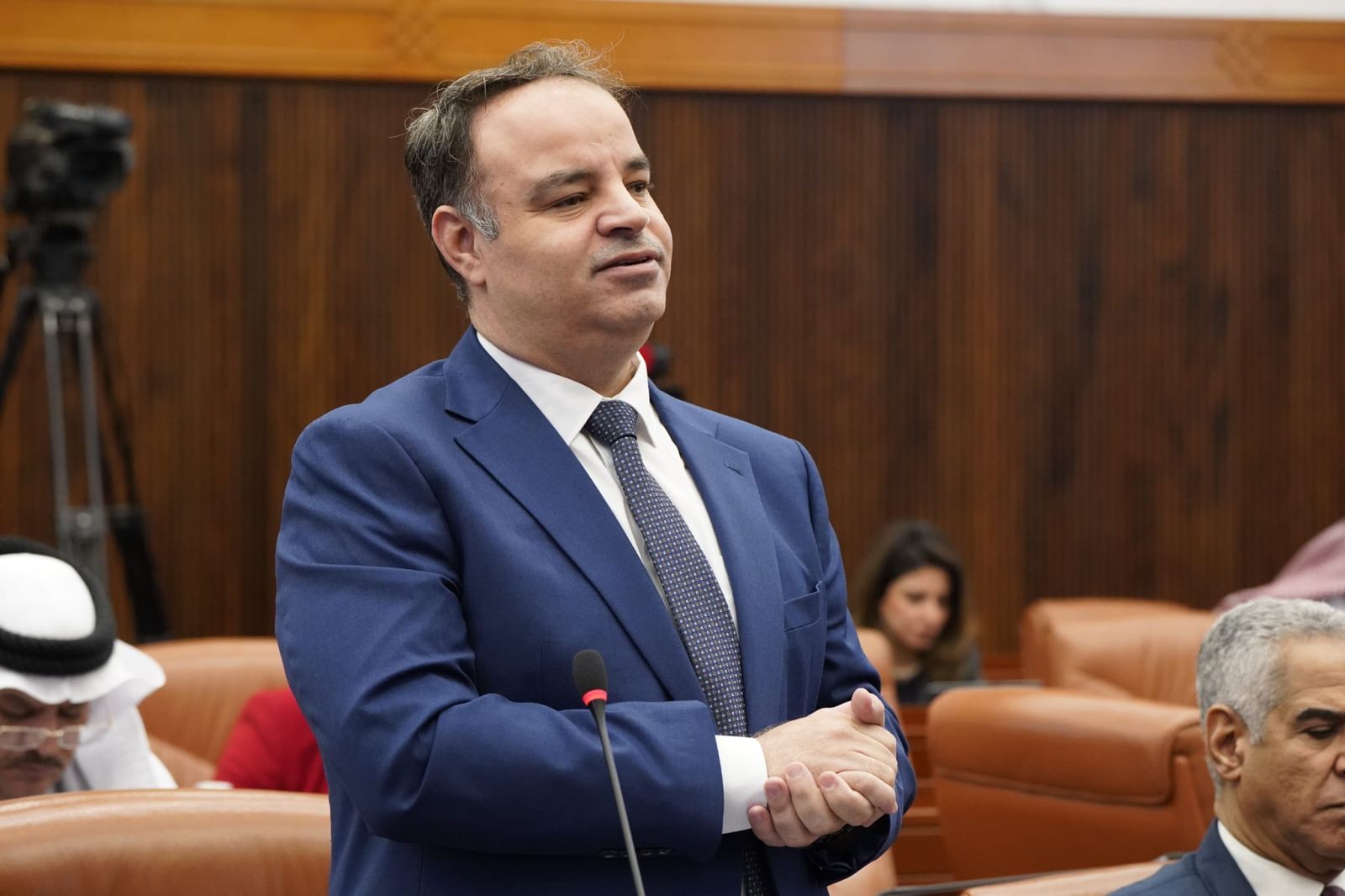
The Electricity and Water Authority (EWA) clarified that an expatriate engineer later found to have used a forged academic certificate was hired and retained based on his extensive experience and professional record, not the document in question.
In a response to MP Dr Hisham Al Ashiri, the authority said the employee had previously worked in established electricity sector organisations before joining EWA. At the time of recruitment, he submitted multiple academic and professional qualifications, prioritizing his practical experience in the field.
EWA said the same criteria were applied during contract renewals, with reviews focusing on job performance, operational needs and the availability of qualified Bahraini alternatives. It added that no concerns were raised during his period of employment.
The authority stated that all hiring procedures at the time complied with existing regulations and there were no indications of irregularities in the submitted documents then.
Following suspicions regarding one certificate, EWA launched a full review of qualifications held by expatriate engineers, which revealed signs of forgery in the document linked to the employee.
The case was subsequently referred to the Public Prosecution and the Ministry of Interior in October 2023. A court ruling was issued against the individual on 26 August 2025.
EWA added that internal oversight mechanisms and performance monitoring prevented any financial or administrative impact on the organisation. It also noted that strengthened national regulations governing engineering practices have since enhanced oversight and compliance, with no similar cases identified.

Bill Targets Cleaner Shipping Standards
Parliament is set to debate a draft law at its next session on Bahrain’s accession to Annex VI of the 1973 International Convention for the Prevention of Pollution from Ships under Decree No. 7 of 2026.
The proposed move would bring the Kingdom into the section of the MARPOL framework that regulates air pollution from ships, including limits on exhaust emissions, fuel quality standards, energy efficiency requirements, and carbon intensity controls in international shipping.
Annex VI also aims to reduce the environmental impact from maritime transport while helping Bahraini vessels avoid repeated inspections and delays in foreign ports that have already ratified the agreement.
According to the government, accession would strengthen Bahrain’s environmental commitments, support its net-zero 2060 target, and align with national and economic development strategies. It is also expected to enhance the country’s role within the International Maritime Organization and improve the international standing of Bahraini-flagged vessels.

MPs to Vote on Shadow Company Liability Law
Parliament is set to debate a new decree-law on Tuesday that would hold individuals who effectively run companies personally liable for misconduct, even if they do not hold formal titles.
Decree-Law No. 38 of 2025, which amends the Commercial Companies Law, seeks to strengthen corporate governance, improve transparency, and close legal gaps ahead of Bahrain’s upcoming Financial Action Task Force (FATF) review in March 2026, according to the government.
Under the proposed changes, company managers, board members, and individuals who exercise “actual management” of a firm could be held personally responsible for damages caused by gross negligence, serious misconduct, or violations of law or company statutes. In cases involving multiple parties, liability may be joint.
The law also targets mohassa companies—informal or undisclosed partnerships not listed in the commercial register—requiring existing arrangements to regularise their status within three months. Notaries would be barred from registering new mohassa contracts once the law takes effect.
Additional reforms include allowing company meetings and voting to take place electronically, provided identity verification and proper documentation are ensured. The legislation also permits establishing single-shareholder closed joint-stock companies and extends the timeframe for businesses to decide on continuation after structural changes to 90 working days.
The Ministry of Industry and Commerce said the concept of “gross negligence” is already established in Bahraini jurisprudence, while “actual management” refers to individuals who effectively control company decisions without formal appointment.
No System Failure in Job Fill Rate
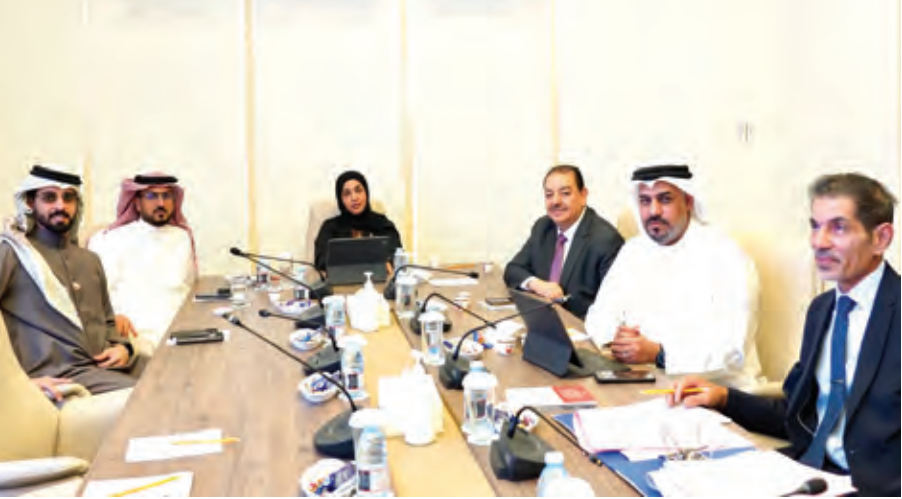
The Labour Ministry rejected claims that it is responsible for thousands of unfilled job vacancies in 2025, telling MPs that hiring outcomes depend on employers’ requirements and jobseekers’ choices rather than direct government placement.
Responding to a parliamentary question about more than 19,000 unfilled vacancies, the ministry said it does not appoint workers to jobs. Instead, it operates the National Employment Platform, where employers post vacancies and candidates apply based on their own preferences, companies make the final selection.
The ministry said 33,406 vacancies were registered in 2025, of which 14,089 were filled through the platform and another 11,641 were filled directly by employers for the same roles. It said this brings the overall fill rate to 78 per cent, arguing that the remaining gap does not indicate system failure when viewed in full context.
It added that some vacancies receive no applicants, while others remain unfilled because applicants do not meet employer conditions such as language or skill requirements. In such cases, jobseekers may be referred to training programmes.
The ministry also clarified that unemployment-related procedures, including missed interview cases and appeals over suspended benefits, are reviewed manually and not fully automated. It said jobseekers can submit excuses with supporting documents, and most accepted appeals involve valid explanations provided later.
However, a parliamentary inquiry committee presented a different assessment in its final report. It said only 42.2 per cent of vacancies in 2025 were filled through the platform, leaving 19,317 unfilled posts, and argued that more than half of listed vacancies did not result in direct employment.
Over a three-year period from 2023 to 2025, the committee said more than 100,000 vacancies were recorded but only 41,310 jobs were filled, leaving 59,177 unused. It said the ministry had not provided sufficient technical analysis to explain the shortfall.
The committee also criticised limits on access to some documents, including appeals records and internal reports, saying these limits restricted its ability to fully assess performance.
Related Posts