

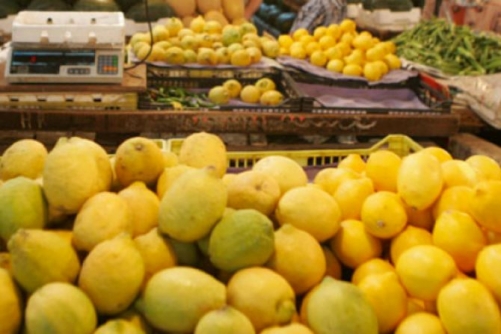
Lemon Prices Rise While Other Fruits Stay Steady in Bahrain
TDT | Manama
Email: mail@newsofbahrain.com
While fruit stalls across Bahrain continue to display a reassuring sense of normality despite the tense regional climate, lemons have quietly chosen a different path. For shoppers moving between market aisles during Ramadan, the change is hard to miss. Among baskets of apples, oranges and bananas whose prices have remained largely stable, the humble lemon has become noticeably more expensive.
The sharpest rise has been seen in Vietnamese lemons, whose price has climbed to nearly three times its previous level. South African lemons have also edged up, though only slightly, while other varieties have either remained steady or increased by amounts too small for most shoppers to notice.
Demand
The shift has drawn attention during a time of year when lemons hold a special place on the Bahraini table. Their sharp flavour cuts through rich Ramadan meals, squeezed into fresh juices at iftar, mixed into salads or pressed over grilled fish and other dishes shared by families after sunset.
In an exclusive interview with The Daily Tribune, a fruit importer explained that the rise cannot be attributed to regional tensions alone.
“As everyone knows, fruit prices depend on supply and demand,” he said. “Every Ramadan the demand for lemons increases because people use them in drinks, salads and many main dishes at the iftar table.”
Supply
He added that this year carries an additional factor affecting one particular variety.
“Vietnamese lemons are usually imported through the UAE, arriving at Jabel Ali port before reaching Bahrain,” he said. “Because that port has been affected by the ongoing tensions in the region, the price in Bahrain has also moved up. Our prices here are linked to what happens in Dubai.”
Traders also point out that Vietnamese lemons are particularly popular among buyers for their distinct qualities. They are typically larger in size, yield more juice, have a thinner peel, and carry a strong, sharp citrus flavour that many prefer when preparing drinks or seasoning food.
Despite the spike, traders say the wider fruit market has remained remarkably stable, a small but visible sign of how supply chains have continued to function even during uncertain times.
For many residents doing their Ramadan shopping, the difference may simply mean paying a little extra for the lemon squeezed into a glass of fresh juice at sunset. Yet the story behind that small fruit reflects a wider web of demand, trade routes and regional events that quietly shape the prices seen on market shelves.
Related Posts