

Remembering Lives Lost and the Need for Preparedness
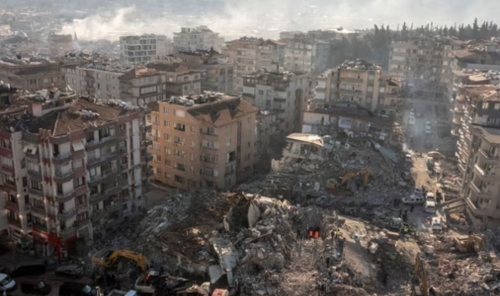
Earthquakes are among the most destructive natural disasters. In just seconds, they can flatten homes, disrupt entire cities, and take thousands of lives.
On this International Day in Memory of the Victims of Earthquakes, recent events show that the risk is far from over. In 2026, early monitoring reports recorded several significant earthquakes worldwide, including the 2026 Guerrero earthquake in Mexico, which caused a small number of fatalities and localised damage, reminding us that even moderate quakes can have serious human impact depending on where they strike.
In 2025, earthquake disasters claimed more than 6,000 lives globally, including a powerful magnitude 8.8 quake near Russia’s Kamchatka region that triggered tsunami alerts across the Pacific. The year also saw tens of thousands of smaller seismic events, including multiple major earthquakes above magnitude 7.
History shows the devastating extremes. The 2004 Indian Ocean earthquake and tsunami killed about 230,000 people across several countries. The 2010 Haiti earthquake caused up to 316,000 deaths, largely due to fragile infrastructure. The 1976 Tangshan earthquake in China may have killed as many as 650,000 people, making it one of the deadliest disasters ever recorded.
Most earthquake deaths occur in Asia, where high population density and weaker construction standards increase vulnerability.
Yet the data also shows a clear difference: preparedness saves lives. Countries with strict building codes and strong emergency systems consistently experience far fewer casualties, even during powerful earthquakes.
Earthquakes cannot be prevented, but their impact can be reduced. As the United Nations Office for Disaster Risk Reduction (UNDRR) has noted, “Prevention saves lives and protects development gains.”
Related Posts