

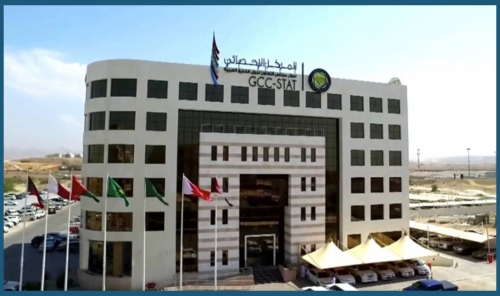
GCC Nations Surpass Global Benchmarks in Sustainable Development Progress
Countries within the Gulf Cooperation Council (GCC) have achieved significant progress across key United Nations Sustainable Development Goals (SDGs), outperforming global averages in several critical sectors, according to newly released data from the Statistical Centre for the Cooperation Council for the Arab Countries of the Gulf.
The report highlights near elimination of extreme poverty across GCC states, supported by robust social protection systems that ensure living standards remain above international poverty thresholds.
In healthcare, GCC countries continue to demonstrate strong performance. The maternal mortality rate stands at 19.9 per 100,000 live births—well below the global target of 70—while under-five mortality is recorded at 10.8 per 1,000 compared to the global average of 25. Universal health coverage and essential vaccination rates have reached 100%, significantly exceeding global figures of 68% and 84%, respectively. Additionally, physician density in the region stands at 33.6 per 10,000 people, nearly double the global average.
Education indicators also reflect substantial advancement. Literacy rates in GCC countries have reached 99.2%, compared to 88% globally, while pre-primary school enrolment stands at 99.8%, far surpassing the global average of 74.4%. Schools across the region report full access to essential services and qualified teaching staff.
Infrastructure development remains a key strength, with universal access to safe drinking water and electricity across GCC nations, compared to global averages of 73.7% and 91.7%, respectively. Sanitation and water treatment services are also nearing full coverage, supported by growing adoption of clean technologies.
Safety and stability indicators further underscore the region’s progress. The homicide rate stands at just 0.6 per 100,000 people, significantly lower than the global rate of 5.2. Similarly, human trafficking victim rates are markedly lower, and birth registration levels are nearly universal.
Despite these achievements, the report identifies several challenges. GCC countries continue to record higher energy consumption intensity and increased levels of hazardous waste per capita. Child malnutrition, particularly wasting among children under five, stands at approximately 9.3%, above the global average of 6.6%. Additionally, the labour share of GDP remains relatively low at around 36.6%, highlighting the need for improved efficiency, better nutrition outcomes, and strengthened resource management strategies.
Overall, the data reflects strong development progress across GCC nations, while emphasizing the importance of continued efforts to address remaining gaps.
Related Posts