

Nepal Court Extends Detention of Former PM Oli in Protest Crackdown Case
A court in Nepal has extended the detention of former prime minister KP Sharma Oli and ex-home minister Ramesh Lekhak by five days following their arrest over alleged involvement in a deadly crackdown on protests in 2025.
The decision was issued by the Kathmandu District Court, which also directed that Oli receive necessary medical care. The 74-year-old leader appeared in court via video link from a hospital, where he was admitted after his arrest due to reported heart and kidney issues.
Both Oli and Lekhak were detained in early morning raids a day after Balendra Shah was sworn in as the country’s new prime minister following elections held after last year’s uprising.
The two former officials are accused of failing to prevent security forces from using lethal force during protests that left at least 76 people dead. While they have not yet been formally charged, both deny any responsibility.
A government inquiry commission recommended legal action against Oli and other officials, stating their claims of ignorance about the violence amounted to “criminal negligence.” The report suggested they be investigated under laws related to deaths caused by recklessness.
The Supreme Court of Nepal is expected to hear a petition seeking their release.
Separately, former energy minister Deepak Khadka was also detained in connection with a money laundering case, according to police.
Tensions Rise Amid Political Shift
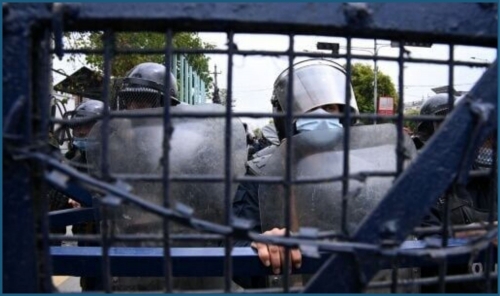
The arrests have intensified political tensions in Kathmandu, with supporters of Oli staging protests and accusing the new government of political retaliation. Police deployed barricades and used force to disperse demonstrators near the court.
However, Home Minister Sudan Gurung defended the arrests, stating they were “the beginning of justice” rather than an act of revenge.
Prime Minister Balendra Shah, who rose to power on a reform-driven platform, has pledged sweeping anti-corruption measures and accountability for past actions. His government has announced a 100-point reform agenda targeting governance and transparency.
The unrest that led to the previous government’s collapse began in September 2025, initially sparked by a social media ban but quickly escalating into nationwide protests fueled by economic grievances. The protests turned violent, with government buildings set on fire and widespread unrest forcing Oli from power.
As legal proceedings continue, the case is expected to remain a focal point in Nepal’s evolving political landscape.
Related Posts