

Pakistan Raises Fuel Prices Sharply Amid Middle East Conflict
TDT | Manama | Email : editor@newsofbahrain.com
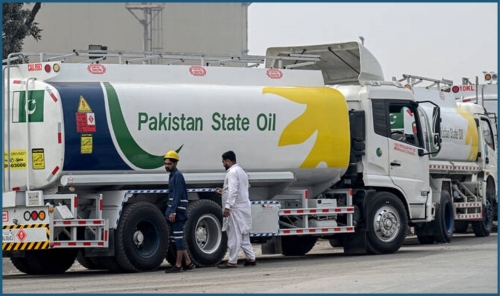
Pakistan has significantly increased petrol and diesel prices in response to soaring global energy costs triggered by the ongoing Middle East conflict, officials announced on Thursday.
Petroleum Minister Ali Pervaiz Malik said the government was compelled to pass on the rising costs to consumers due to limited financial resources and continued uncertainty surrounding the conflict.
Under the revised rates, petrol prices have surged by 42.7 percent to 458.40 Pakistani rupees ($1.64) per litre, while diesel prices have risen by 54.9 percent to 520.35 rupees ($1.86) per litre. The new prices are set to take effect from Friday.
Malik acknowledged the impact on citizens, particularly as diesel plays a vital role in public transport and for workers. He said the government had attempted to shield the population but was ultimately “forced” to implement the increase due to sustained pressure on global markets.
The price hike follows disruptions caused by the ongoing conflict involving Iran, which has led to instability across the region. Retaliatory strikes and heightened tensions have severely impacted shipping through the Strait of Hormuz, a critical route through which around one-fifth of the world’s energy supplies typically pass.
Heavily dependent on imported oil and gas, Pakistan had already increased fuel prices by around 20 percent earlier in March as the conflict escalated.
In response to the crisis, the government has introduced a series of austerity measures aimed at reducing fuel consumption. These include shifting many public offices to a four-day work week, extending school holidays, and moving some classes online.
Pakistan, classified by the World Bank as a lower-middle-income country, faces additional challenges, with around a quarter of its population of 240 million living below the poverty line.
Other countries in Asia have also taken similar steps to manage rising energy costs. Bangladesh has increased prices of liquefied petroleum gas and compressed natural gas by 29 percent.
Earlier this week, the International Monetary Fund warned that vulnerable economies like Pakistan face not only rising energy prices but also supply chain disruptions, along with increasing costs of food and fertilizers and tighter financial conditions.
Related Posts