

Seized Oil Tankers Cost U.S. Millions, Undermining Trump’s ‘Financial Boon’ Claim
email: online@newsofbahrain.com
Washington: The United States is facing mounting costs from its campaign to seize oil tankers linked to sanctioned nations, raising questions about the financial viability of the strategy promoted by Donald Trump as a revenue-generating move.
According to a report by The New York Times, maintaining just one seized vessel has already cost the government $47 million in three months, far exceeding the ship’s estimated value of $10 million.
The crackdown, targeting tankers associated with countries such as Venezuela and Iran, was aimed at curbing oil flows believed to fund terrorism and evade U.S. sanctions. However, the seizures have placed a significant financial burden on authorities.
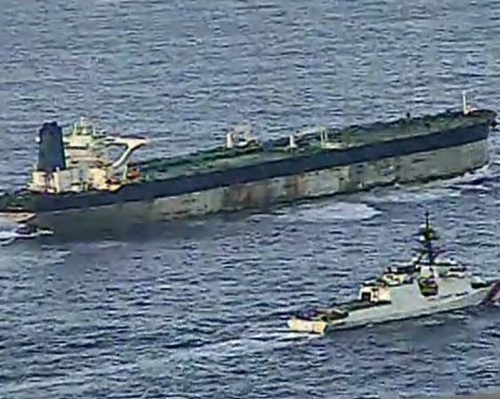
In one case, the Motor Tanker Skipper, carrying more than 1.8 million barrels of Venezuelan oil, was seized in December while en route to Asia. Since then, maintenance, repairs, insurance and crew costs have surged, with an additional $5 million expected in the coming months. Storing the vessel’s oil alone costs around $15,000 per day.
Officials have also highlighted legal complications. The government cannot sell the seized oil or vessels without court approval, delaying potential recovery of funds. Federal prosecutors have now asked a judge to allow the sale of the tanker and its cargo before a final ruling, with proceeds to be held pending the court’s decision.
The U.S. Justice Department noted in court filings that large assets such as ships require continuous maintenance and specialised storage, making them far more expensive to manage than traditional seized property.
In recent operations, the United States has seized at least 10 tankers tied to Venezuelan oil networks, including some vessels that were not carrying cargo at the time—further increasing costs. Authorities have also indicated plans to expand seizures to tankers transporting Iranian oil.
Despite the growing expenses, the White House maintains that the strategy is effective in enforcing sanctions and deterring illicit oil trade linked to regimes such as that of Nicolás Maduro.
The developments highlight the financial and legal complexities of enforcing maritime sanctions, as Washington balances economic costs against geopolitical objectives.
Related Posts