

Ramadan and Family Reconciliation: Repairing Relationships During the Holy Month
For Muslims around the world, Ramadan is widely recognized as a time of fasting, prayer and charity. Yet beyond these outward practices lies another deeply significant dimension of the holy month — the opportunity for personal reflection and emotional renewal. In many households, Ramadan becomes a powerful moment for repairing strained relationships, healing old wounds and restoring family harmony.
Islamic teachings place great emphasis on maintaining strong family ties, known as silat alrahm, which refers to nurturing relationships among relatives with kindness and compassion. Ramadan’s spiritual atmosphere, characterized by humility and self-discipline, often encourages individuals to set aside pride, seek forgiveness and rebuild bonds that may have weakened over time.
The Spiritual Motivation for Forgiveness
The act of fasting during Ramadan is intended not only to cultivate physical restraint but also to refine character. Believers are encouraged to guard their speech, control anger and demonstrate patience in daily interactions. These values naturally extend to family relationships, where misunderstandings or long-standing grievances can sometimes create emotional distance.
Religious scholars often highlight that forgiveness during Ramadan carries profound spiritual significance. Just as individuals seek divine mercy through prayer and repentance, they are also reminded of the importance of offering mercy to others. The holy month serves as a reminder that reconciliation strengthens both personal well-being and communal harmony.
In many cases, a simple gesture — a phone call, a visit or an invitation to share iftar — becomes the first step toward restoring communication between relatives who may not have spoken for months or even years.
The Role of Shared Traditions
Ramadan traditions themselves often facilitate reconciliation. Family members gather nightly to break the fast together, creating opportunities for conversation and connection that might otherwise be rare in busy modern lives. These shared meals become moments where tensions soften and relationships can be rebuilt gradually.
Elders frequently play a crucial role in this process, encouraging younger generations to resolve disagreements and maintain unity. Their guidance reflects a broader cultural understanding that family stability forms the foundation of a healthy society.
The collective experience of fasting also nurtures empathy. As individuals face hunger and fatigue together, they often develop greater patience and understanding toward one another. This shared discipline can transform the emotional atmosphere within households.
Community Encouragement of Unity
Across many Muslim societies, religious leaders use Ramadan sermons to emphasize the importance of reconciliation. Mosques and community centers frequently encourage believers to repair broken ties and approach others with sincerity. The message is clear: spiritual devotion cannot be separated from ethical conduct toward family and neighbors.
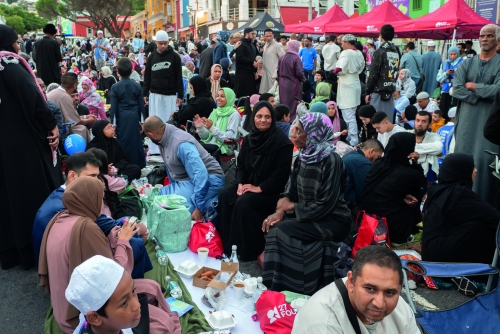
Community initiatives sometimes reinforce this message by hosting large iftar gatherings designed to bring extended families and neighborhoods together. These settings create neutral spaces where people can reconnect in a spirit of goodwill.
Such efforts highlight how Ramadan’s values extend beyond individual worship to shape broader social relationships.
Emotional and Social Benefits
Family reconciliation during Ramadan often carries lasting emotional benefits. Studies in psychology consistently show that forgiveness and restored communication reduce stress and strengthen mental well-being. Within families, renewed trust can also create a more supportive environment for future generations.
For many people, Ramadan becomes a turning point — a moment when long-held grievances lose their weight in the presence of spiritual reflection. The act of letting go of resentment allows individuals to focus instead on gratitude and shared values.
This transformation is often described as one of the hidden blessings of Ramadan, illustrating how spiritual practice can directly influence everyday life.
Carrying the Spirit Forward
While Ramadan provides a powerful catalyst for reconciliation, scholars emphasize that maintaining strong family relationships should continue beyond the holy month. The lessons learned during Ramadan — patience, humility and compassion — are intended to guide behavior throughout the year.
Families who rebuild connections during Ramadan often strive to preserve these bonds through regular communication, shared meals and mutual support. In this way, the holy month serves not only as a period of devotion but also as a foundation for lasting unity.
Ultimately, Ramadan reminds believers that spiritual growth is inseparable from human relationships. By encouraging forgiveness and understanding, the month offers families an opportunity to begin anew — strengthening ties that sustain both individuals and communities long after the fasting days have passed.
Related Posts