

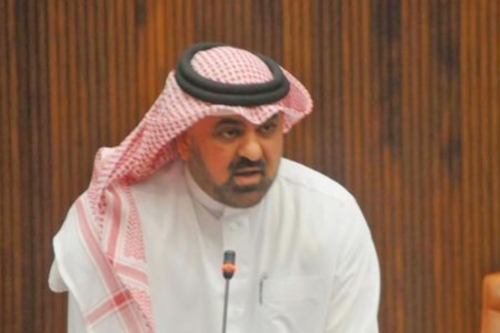
Panel approves debt waiver for deceased citizens
TDT | Manama
Email: mail@newsofbahrain.com
A parliamentary committee has approved a bill that would write off all debts owed to government bodies by a Bahraini citizen upon death, despite warnings from ministries and state agencies that an open-ended waiver would cut income used to pay for public services.
The bill, tabled by MP Mohammed Al Maarfi, says all sums due to government bodies from a deceased citizen would lapse by law. Heirs, or anyone who takes their place in law, would not be pursued for the money, and the debts would not form part of the estate.
The Financial and Economic Affairs Committee said the bill deals with a sensitive legal and social matter: debts left behind after death, owed to government bodies, which can add to the strain on families. The waiver would be limited to government claims. It would leave private debts untouched, and would exclude cases tied directly to public money, including criminal fines and compensation awarded in criminal cases.
The note attached to the bill says it seeks a legal and humane answer for families left in hardship after the death of a breadwinner. It says heirs should not be made to bear government debts, nor should such sums be treated as part of the estate.
The Ministry of Electricity and Water Affairs and the Electricity and Water Authority said heirs are not personally liable under Sharia for debts left by the deceased. Such debts are paid from the estate, if one exists. If there is no estate, the sums lapse unless heirs choose, of their own accord, to pay them to clear the deceased's name.
The ministry and authority said debts, government or otherwise, do not enter the estate. They must be paid before the estate is handed to heirs. They also said unpaid sums owed by deceased subscribers are public money, and writing them off would lower state income and weaken services given to the public.
They warned that cancelling electricity, water and municipal fee arrears for all deceased people would sharply cut the authority's income and affect the quality of its services. They said there is already a rule allowing arrears of up to two years to be dropped for deceased low-income citizens registered with the Ministry of Social Development, under Decision No. 30 of 2014, as amended by Decision No. 15 of 2019.
The authority said the bill would also harm its plan to balance its finances, which depends on bringing income and spending into line. It buys electricity and water from the private sector and must pay within 42 days, while the money needed for those payments comes from subscribers.
The Ministry of Housing and Urban Planning said the same approach is already used in housing cases. Under the housing system issued by Decision No. 909 of 2015 and its subsequent amendments, heirs of a deceased citizen who had a housing benefit can be exempted from sums owed for that benefit.
Related Posts