

Bahrain to Use Iran Attacks Report Abroad
TDT | Manama
Email: mail@newsofbahrain.com
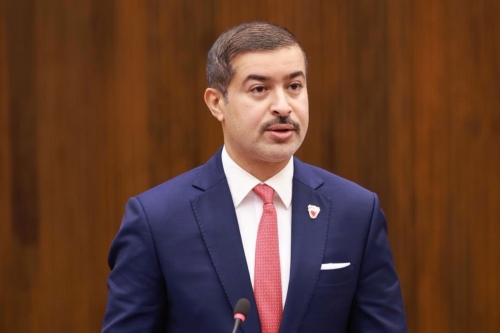
Bahrain will use a human rights dossier on the Iranian attacks to press foreign parliaments to condemn strikes on civilians and demand that those responsible be held to account, a Shura Council member has said.
Ali Al Shehabi, deputy head of the council’s Human Rights Committee, said the National Institution for Human Rights report gave Bahraini delegates firm legal ground on which to take the kingdom’s case abroad.
The report records harm to civilians and civilian sites through field visits, interviews and evidence assessed under international standards.
Mr Al Shehabi said it was not a mere account of events, but a legal record that could be placed before regional and world bodies.
‘This report is a national document of great legal and human rights value because it does not merely recount the facts, but records them through a sound method based on international standards,’ he said.
Its findings could help Bahraini lawmakers seek a common stand among foreign parliaments against attacks on civilians and infrastructure, he added.
They could also be used to call for respect for international humanitarian law and action against those found responsible.
Mr Al Shehabi said parliamentary diplomacy now worked alongside state diplomacy and could carry Bahrain’s case into meetings where direct political claims might draw less weight.
By using evidence and the language of law, Bahraini delegations would be able to give a clearer account of the attacks and their human cost, he said.
‘When facts are recorded through evidence and sound methods, they give the Bahraini parliamentary delegation firm ground from which to explain the violations suffered by the kingdom,’ he added.
Mr Al Shehabi said the case went beyond Bahrain and concerned the duty of all states to shield civilians during war and unrest.
‘This message does not concern Bahrain alone, but upholds a universal principle: protecting civilians and preserving human rights in all circumstances,’ he said.
The report contains 12 main sections covering the legal basis for its work, methods of monitoring and recording evidence, state duties, the human cost of the attacks, and the institution’s field visits and interviews.
It ends with recommendations on human rights, crisis planning and the steps that should follow the findings.
Mr Al Shehabi said the report could also help shape Bahraini laws and policies while keeping a lasting record of the attacks for future generations.
‘The report makes clear that protecting human life must remain a first duty in all circumstances,’ he said.
Related Posts