

Heart attacks are getting younger
TDT | Manama
Email: mail@newsofbahrain.com
Heart attacks are no longer a health concern reserved for the elderly.
Cardiologists are increasingly treating patients in their 30s and 40s, and in some cases even people in their late 20s, signalling a worrying shift in cardiovascular disease.
The recent passing of a 26-year-old Indian national in Bahrain due to a sudden cardiac event has left the community reeling. This tragic loss, reported by The Daily Tribune, serves as a stark reminder of the growing threat cardiovascular issues pose to younger populations.
As more instances of otherwise healthy individuals facing severe heart complications emerge, a critical question arises: What is driving this rise in heart attacks among the youth?
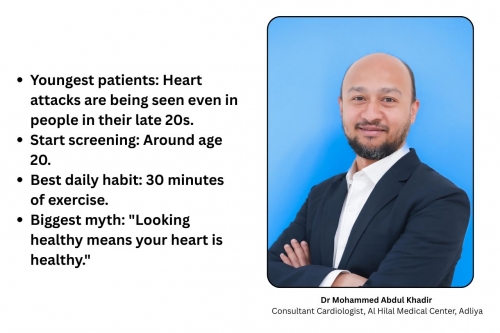
"The trend is undeniable; we are witnessing a significant increase in acute cardiac cases among younger adults, even though the elderly remain the primary demographic," explained Dr Mohammed Abdul Khadir, Consultant Cardiologist at Al Hilal Medical Center, Adliya, during a conversation with The Daily Tribune.
Dr Khadir points to modern lifestyle choices as a primary culprit. Factors such as sedentary behavior, poor nutritional habits, obesity, and the prevalence of smoking or vaping are escalating the risk. Furthermore, conditions like hypertension, diabetes, elevated cholesterol, unmanaged stress, and lack of sleep are fueling this cardiovascular crisis.
He also noted that the intense heat in Bahrain often acts as a barrier to outdoor movement, highlighting the urgent need for individuals to find creative ways to stay active and adopt heart-healthy daily practices.
The symptoms many ignore
One of the biggest dangers is the belief that heart disease only affects older people.
Because of this misconception, many younger adults dismiss early warning signs until it is too late.
While crushing chest pain remains the hallmark of a heart attack, younger patients may instead experience pain in the jaw, neck, shoulder, arm or back, shortness of breath, unusual fatigue, dizziness, nausea, cold sweats or symptoms resembling indigestion.
"Any persistent or unexplained chest discomfort should never be ignored," Dr Khadir stressed. "Seeking medical attention immediately can save lives."
Why screening shouldn't wait
Heart health checks should begin much earlier than many people realise.
Dr Khadir recommends routine screening from around the age of 20, including blood pressure, blood sugar, cholesterol, weight and body mass index assessments.
Those with diabetes, obesity, hypertension, a family history of heart disease or smoking habits should undergo more frequent evaluations.
"Identifying these risk factors early allows us to intervene before they develop into serious cardiovascular disease," he said.
Work can affect your heart too
Modern workplaces are also influencing heart health.
Long hours at a desk, demanding schedules and chronic stress can all increase cardiovascular risk.
Dr Khadir encourages employers to invest in employee wellbeing through wellness programmes, healthier food choices, routine health screenings, mental health support and initiatives that encourage movement throughout the working day.
Even simple ideas such as walking meetings, ergonomic workstations and stress-management workshops can make a meaningful difference.
One habit that changes everything
If there is one recommendation Dr Khadir believes everyone should follow, it is remarkably simple: move more.
Just 30 minutes of moderate exercise, such as brisk walking, cycling or swimming on most days of the week, can dramatically lower the risk of heart disease.
Combined with quality sleep, a healthy diet, maintaining a healthy weight and avoiding tobacco, regular physical activity remains one of the most effective ways to protect the heart.
Eat smart
When it comes to diet, Dr Khadir advises choosing whole, minimally processed foods.
Fresh fruits and vegetables, whole grains, legumes, nuts, seeds, fish rich in omega-3 fatty acids, olive oil and lean proteins should form the foundation of everyday meals.
Equally important is cutting back on sugary drinks, processed foods, excessive salt, trans fats and saturated fats, while staying hydrated and practising portion control.
Fit doesn't always mean healthy
Perhaps the greatest myth surrounding heart disease is that only overweight or inactive people are at risk.
"Looking healthy does not always mean the heart is healthy," Dr Khadir said.
Inherited conditions, elevated cholesterol, high blood pressure and other silent risk factors often have no obvious symptoms. Smoking, vaping, unmanaged stress, poor sleep and family history can also increase risk, even among people who appear fit and exercise regularly.
His advice is clear: don't wait until symptoms appear.
Regular check-ups, healthier daily habits and early action remain the strongest defence against heart disease and they could save lives long before middle age.
Related Posts