

Building Tomorrow’s Leaders
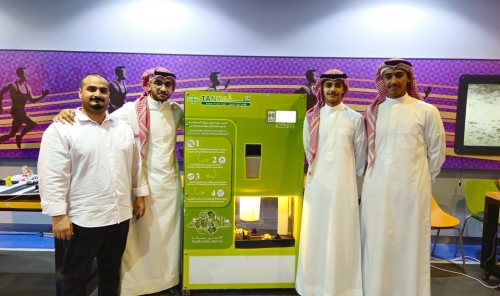
Students in the Kingdom of Bahrain are proving that innovation is driven by ideas and dedication rather than age. A group of students from Al Jabriya Industrial Boys’ School developed a smart device called “Tanka” to address the safe disposal of used oils from both households and vehicles. The project, guided by teacher Talal Al Hashimi, emerged through the INJAZ Bahrain Company Program focused on sustainability, aiming to provide an efficient and environmentally friendly solution to a growing waste management issue.
The innovation highlights the increasing role of Bahraini youth in addressing environmental challenges through technology. It reflects how education, mentorship, and national sustainability goals are empowering students to create practical solutions that improve quality of life while reducing environmental harm.
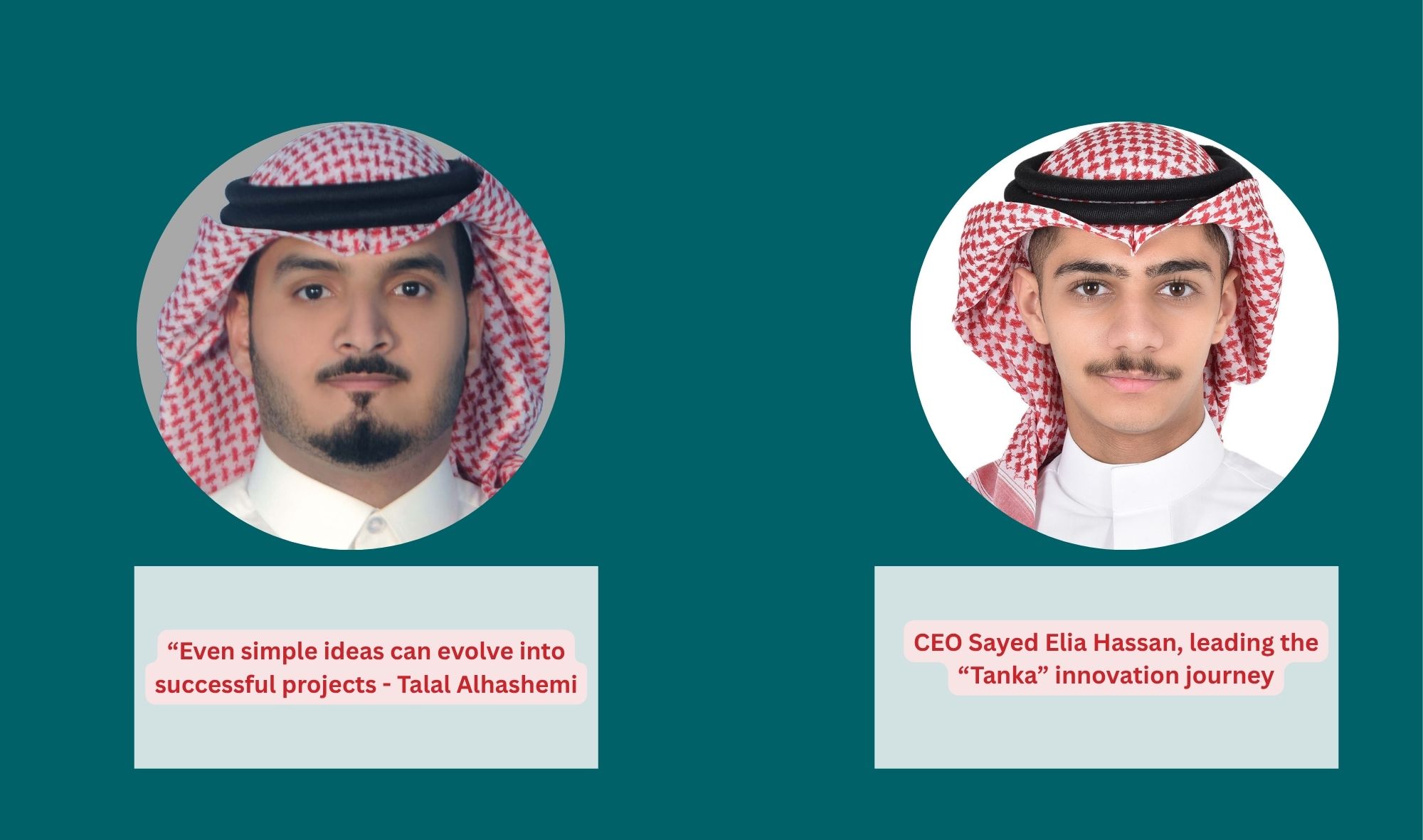
Teacher Talal Alhashemi, who has more than ten years of experience in computer technology education, emphasized that “today’s students are tomorrow’s leaders,” stressing the importance of investing in youth and encouraging them to see challenges as opportunities for growth and innovation.
He added that even simple ideas can evolve into successful projects when shared and developed collaboratively, highlighting the importance of teamwork and creativity in education.
The students’ invention, “Tanka,” draws inspiration from Bahraini culture, specifically the local term referring to a traditional metal container historically used for storing and transporting oil and food products.
According to CEO Sayed Elia Hassan, the project began during participation in the INJAZ Bahrain Company Program, where students focused on sustainability challenges. The team identified improper oil disposal as a key environmental issue, particularly during camping seasons when waste oil is often discarded irresponsibly, leading to soil and water contamination as well as drainage blockages.
The team faced technical challenges, especially in programming and mechanical design. However, these were overcome through collaboration, with electronics students developing sensors, IT students handling programming and system design, and welding students building the physical structure of the device.
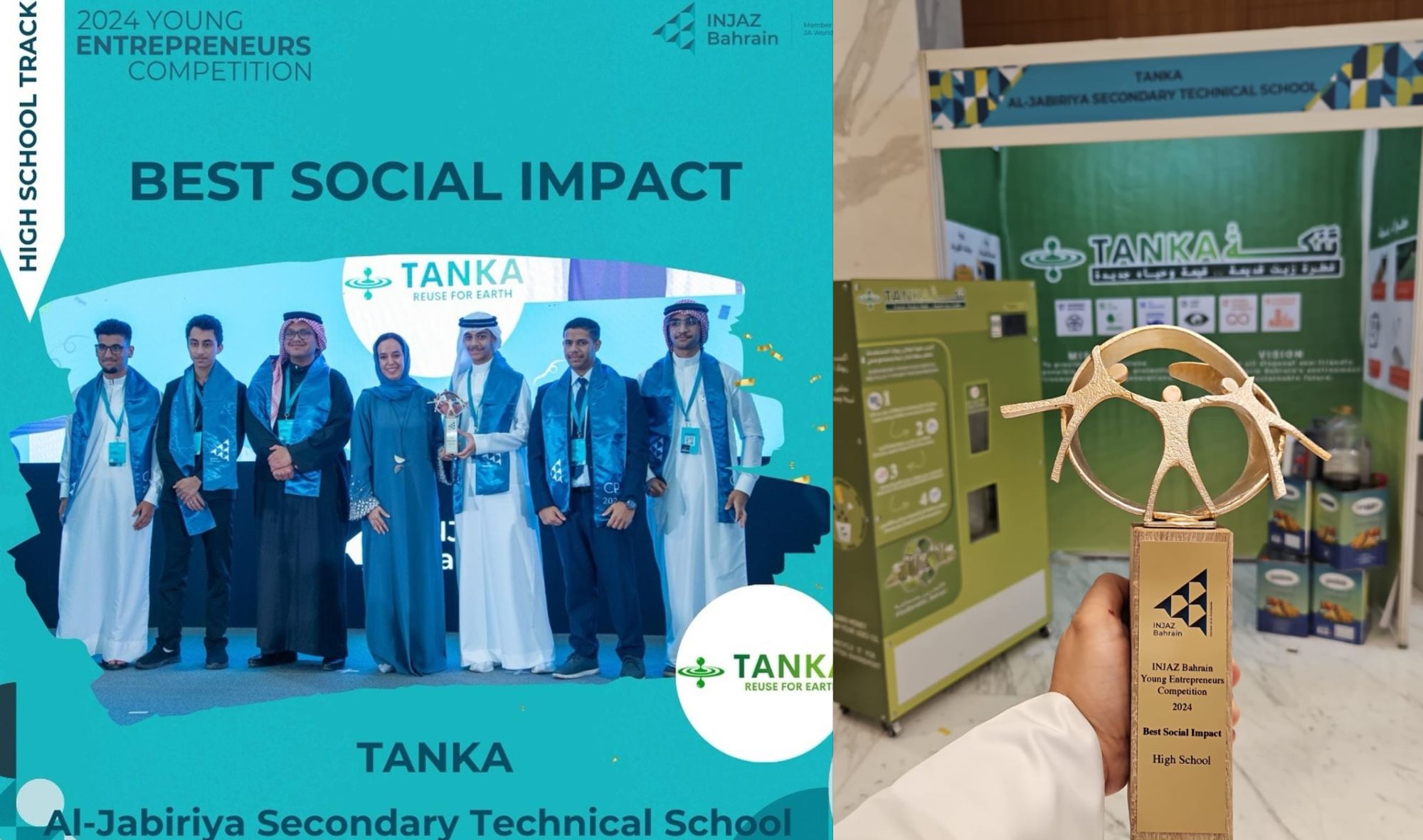
Their work earned the “Best Social Impact” award at the INJAZ Bahrain 2023/2024 competition, where they competed against approximately 40 teams from schools across Bahrain.
Although the team has graduated and moved on to university, work on “Tanka” continues, with plans to expand its use to restaurants, garages, and the private sector. The project highlights how youth innovation, supported by education and mentorship, can grow into real-world solutions with lasting environmental and social impact.
Related Posts