

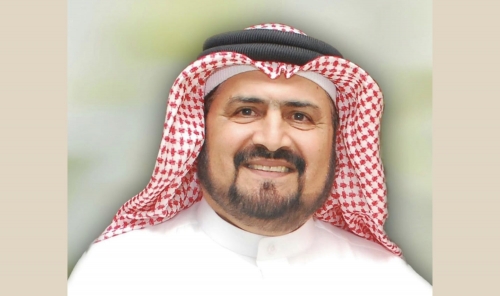
Captain's corner - Why Bahrain’s Future is Public
Bahrain’s skyline and infrastructure are evolving at a breakneck pace, yet our daily commute remains anchored to a car-centric culture that increasingly clashes with our national goals. As Dr. Shaikh Abdullah bin Ahmed Al Khalifa, Minister of Transportation & Telecommunications highlighted on World Public Transport Day (April 17), the Kingdom is committed to a sustainable, world-class transport system.
However, achieving Economic Vision 2030 and our 2060 net-zero targets requires more than just government strategy; it requires a radical shift in how we, the public, view and use the network. Transitioning from private vehicles to public transit and carpools is a direct step toward a circular economy, significantly slashing the carbon footprint per passenger. Yet, to make this shift palatable, the infrastructure must address Bahrain’s unique challenges. Our extreme climate demands that the current 290 bus shelters be upgraded to fully cooled and wind-protected climate-resilient hubs.
Furthermore, transit efficiency hinges on the introduction of dedicated bus lanes to bypass congestion and the strict enforcement of bus stops, which are far too often treated as convenient car parking spaces—a habit that cripples system reliability.
Modernizing the user experience is equally vital. We need clear, interactive digital boards at every major stop where commuters can "punch in" a destination to receive immediate details on the next arrival, trip duration, and exact fare. Such transparency strips away the intimidation factor for new users.
Ultimately, a successful public transport system is an economic engine. Beyond easing road pollution, it increases employabilityv by providing jobseekers with affordable, reliable mobility to reach opportunities across the Kingdom. By choosing the bus over the car, we are driving Bahrain toward a cleaner, more connected, and more mobile future.
Related Posts