

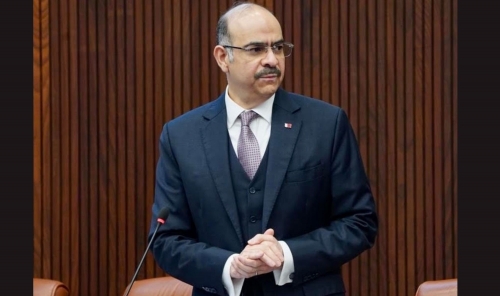
Employment Drive - Key Labour, Welfare and Industrial Policy Decisions to Review
4,746 Find Jobs via Three-Offer Scheme
More than 4,700 jobseekers in Bahrain have secured employment through the government’s “three job offers” initiative, according to the Ministry of Labour, which said the programme has shown steady results under the National Employment Platform.
By the end of 2025, the scheme presented 18,657 registered jobseekers with at least three job opportunities or interviews; 4,746 of these subsequently entered employment through platform-listed vacancies.
The Ministry of Labour said the figures reflect only those officially recorded as insured employees with the Social Insurance Organisation, meaning the total number of individuals entering private-sector jobs may be higher.
In its parliamentary response, the ministry noted no clear evidence of jobseekers avoiding specific types of roles. It stated that application patterns show continued engagement across available vacancies..
It also clarified that all job listings are reviewed and presented with full transparency. “The jobseeker chooses the vacancies that suit his qualifications through the National Employment Platform,” the ministry said, adding that applicants are given full details including salary, job type, employer name, and working conditions.
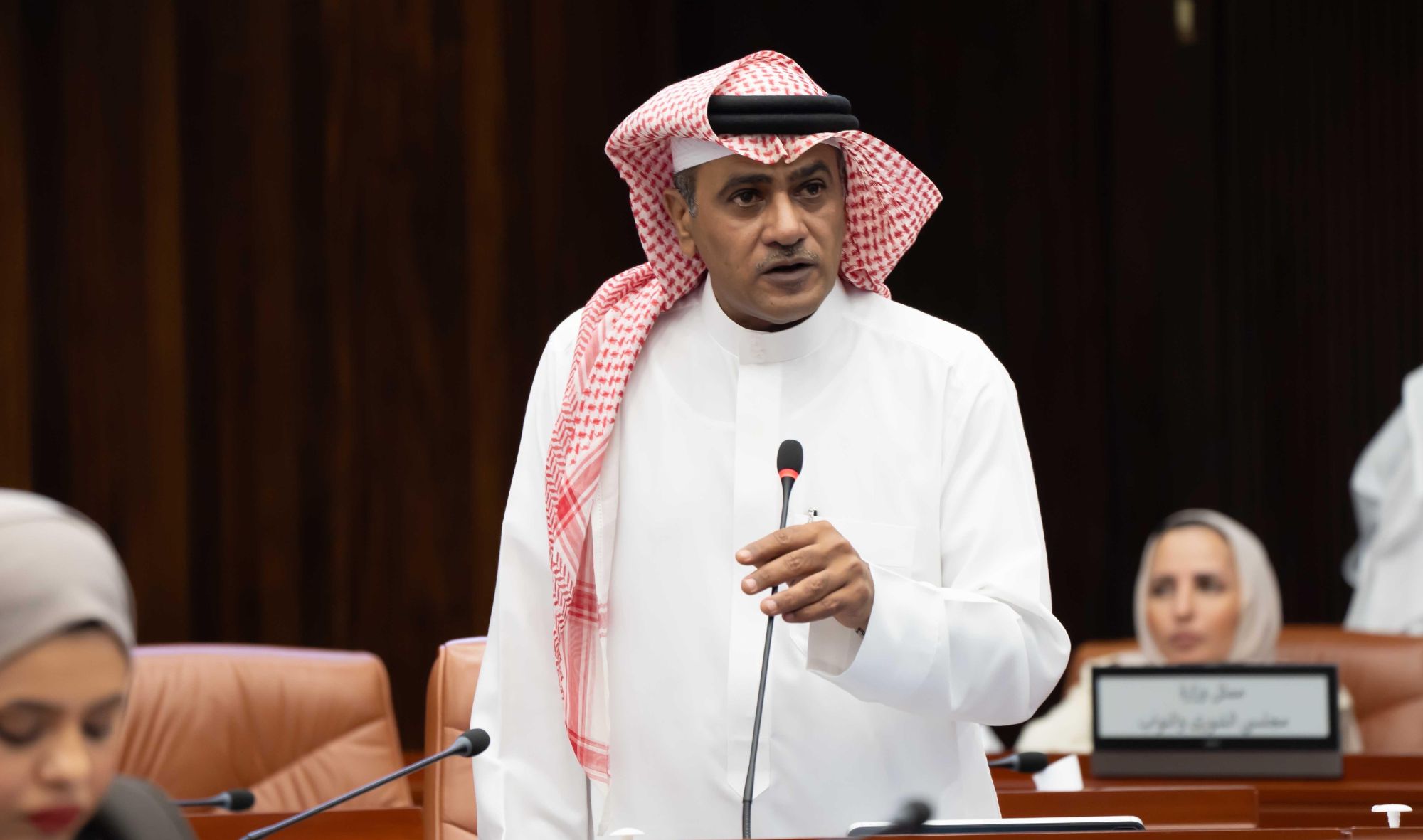
Foreign Labour Fees Support Bahrainisation Drive
The Ministry of Labour confirmed that 80% of fees collected from foreign labour are transferred to Tamkeen, which uses the funds to support programmes aimed at boosting Bahraini employment in the private sector, including wage support, entrepreneurship, and business development initiatives.
In a parliamentary response to MP Abdulhakim Al Sheno, the ministry also outlined stricter enforcement measures against labour market violations, including employing foreign workers without valid permits. It reaffirmed that Bahrainisation requirements apply across all sectors at varying levels depending on job demand.
It added that companies failing to meet Bahrainisation targets are required to pay BD500 per foreign work permit per month, while compliance is also mandatory for participation in government tenders.
In a nutshell -
Labour Fees & Bahrainisation
- 80% of foreign labour fees go to Tamkeen to support Bahraini employment programmes.
- Employers face BD500 monthly fee per foreign worker if Bahrainisation targets are not met.
- Wage support covers up to 70% in year one, reducing over three years.
- Support ceilings: BD800 (graduates), BD600 (diploma), BD450 (school level).
- Job platforms linked to qualification-based matching and verified vacancies.
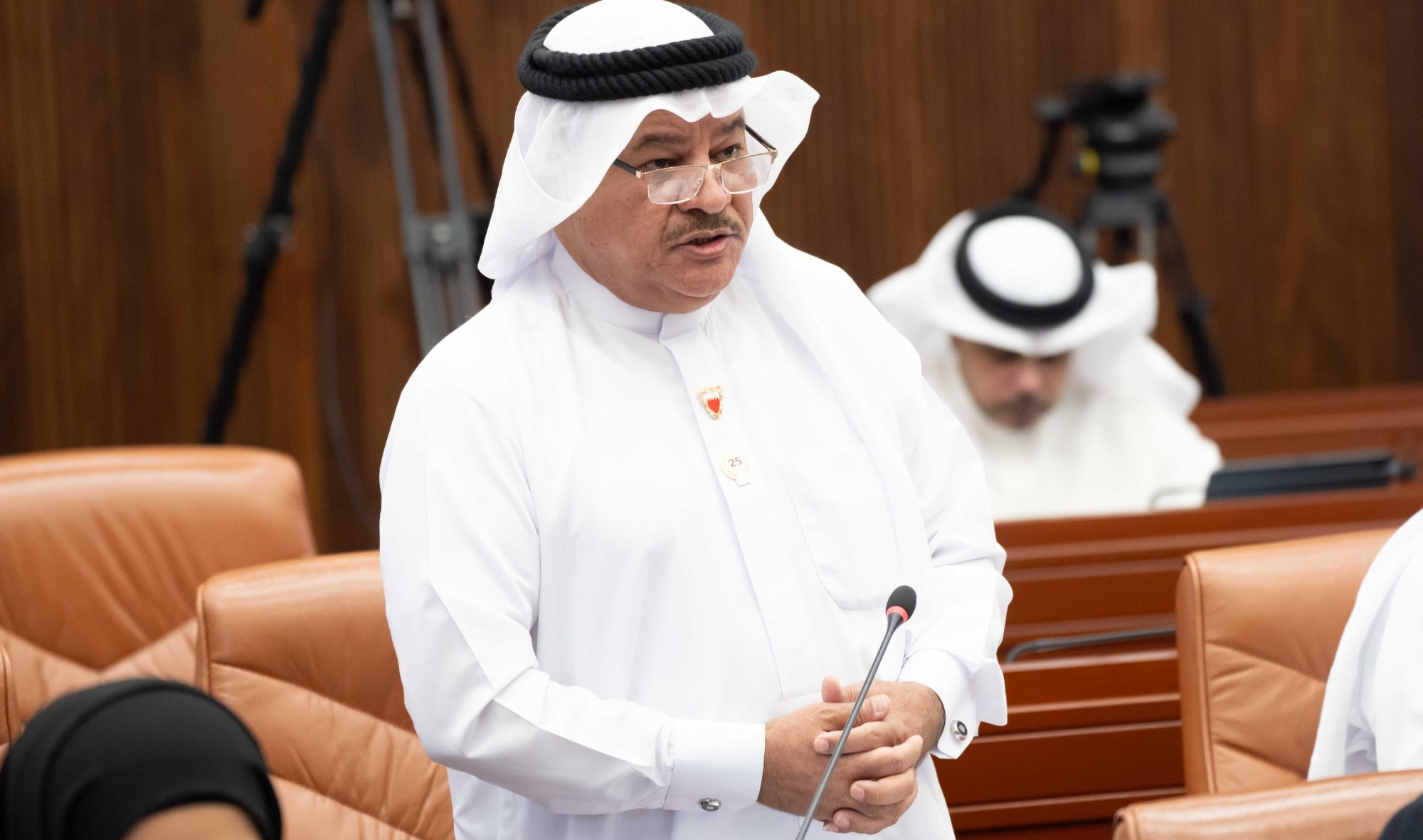
Women Dominate Employment Rolls
Women made up the majority of Bahrain’s registered jobseekers in 2025, according to figures the Labour Ministry released in response to an inquiry by MP Mohammed Al Olaiwi.
The ministry reported that 15,433 people were registered as jobseekers that year, including 10,950 women and 4,483 men, highlighting a significant gender imbalance across the employment database.
In the final months of the year, a large-scale employment drive placed 4,746 individuals into jobs between 28 September and 31 December 2025.
A total of 5,587 people registered between September–December period, while 2,863 businesses posted vacancies on the National Employment Platform for candidate nominations and hiring. The ministry noted that salaries under the scheme ranged from BD350 for entry-level positions to over BD1,000 for specialised roles. It also confirmed that women dominated higher education categories, accounting for 81 per cent of jobseekers with bachelor’s degrees and above. Commenting on the findings, Labour Ministry officials said there is no fixed timeframe for placing all jobseekers, as employment depends on market demand, job suitability, and candidate preferences.
“The final choice rests with both the jobseeker and the employer,” the ministry said, adding that applicants must actively apply for suitable vacancies through the national platform.
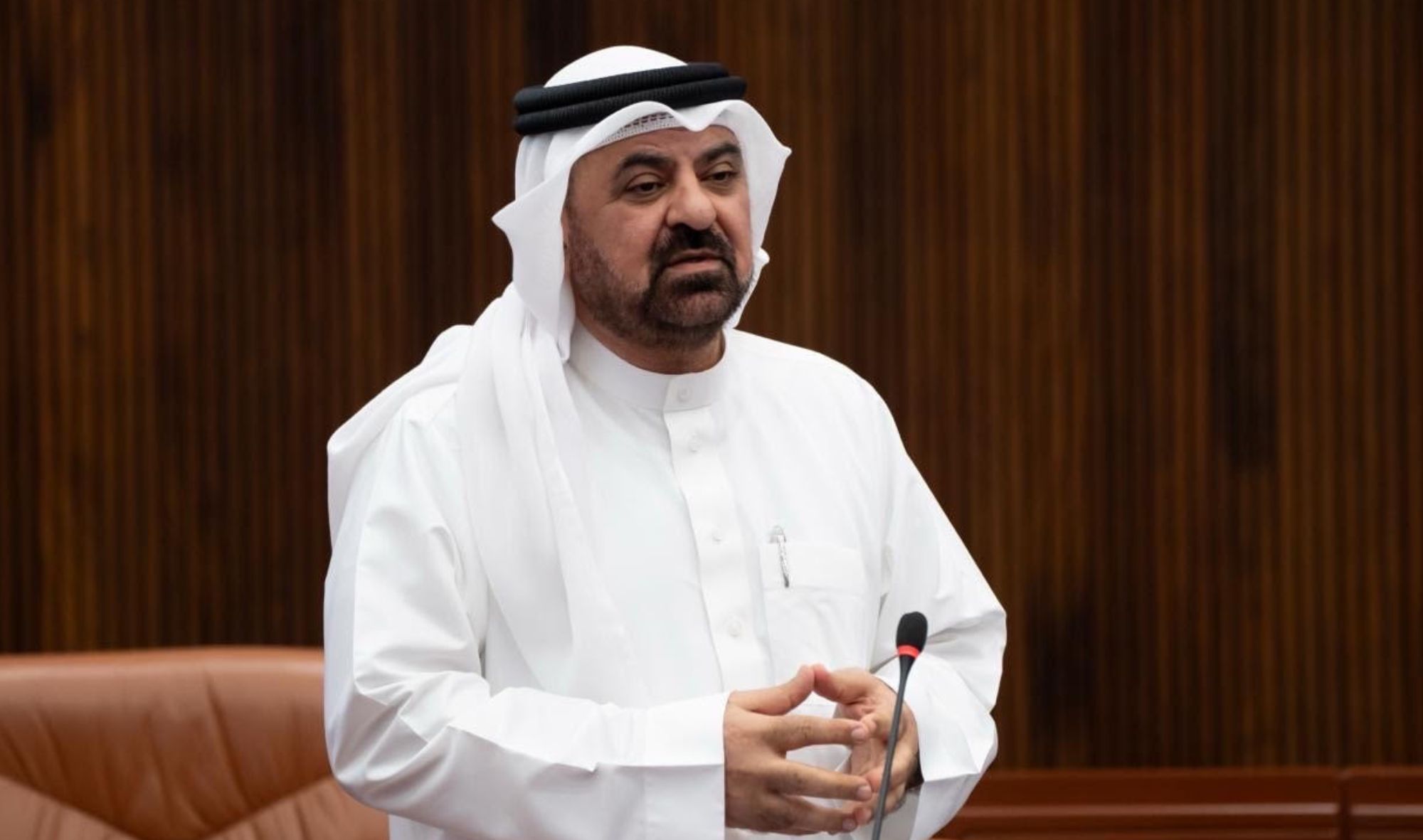
72 Government Jobs Prioritised for Disabled Hiring
“Ensure real employment opportunities that match the abilities of people with disabilities.” — MP Mohammed Al Marafi
The Labour Ministry stated that while no formal ministerial decision has been issued under Article 12 of Law No. 74 of 2006 on disability employment, the Civil Service Bureau has already identified around 72 government job titles where people with disabilities will receive hiring priority.
In a reply to MP Mohammed Al Marafi during the fourth session of the sixth legislative term (2022–2026), the ministry clarified that the law allows, but does not oblige, the Labour Minister to issue a decision after Cabinet approval, and therefore the absence of such a decision does not constitute a legal breach. The ministry added that creating a single fixed list of roles is complex due to varying disability types and individual skill assessments, stressing that recruitment decisions remain case-specific.
Despite this, coordination with government entities is ongoing, and support measures are already in place, including training programmes with Tamkeen and a wage support scheme introduced in April 2025 offering up to 80% support in the first year for employees with disabilities. According to official figures, 288 jobseekers with disabilities were registered up to October 2025, while 1,589 vacancies were made available for them. In the private sector, 1,302 persons with disabilities were employed as of November 2025.
Committee Plan to Define Basic Living Needs
MPs in Bahrain are set to debate on Tuesday a proposal to amend the Kingdom’s social security law by establishing a new committee tasked with determining the minimum cost of basic living.
The plan, originally introduced as a full replacement for Law No. 18 of 2006 on social security, has been significantly revised by Parliament’s Services Committee. Instead of introducing a new framework, lawmakers recommended adding a single article to the existing law.
The amended proposal would create a committee chaired by the relevant minister, with representatives from government entities and the private sector. The body would define the minimum cost required for basic living needs and review it at least once every three years, or sooner if necessary, in line with price and living condition changes.
The original draft law included 19 articles covering eligibility for assistance, payment mechanisms, application procedures, and the establishment of a social security fund. It also proposed top-up support for Bahraini families whose incomes fall below a defined minimum living threshold.
However, government authorities argued that a new law was unnecessary, stating that existing legislation already covers most provisions. They also raised concerns over constitutional compatibility, overlap with unemployment insurance rules, and the potential financial burden of expanded welfare coverage.
The Ministry of Social Development reported that 17,581 individuals were receiving social security benefits as of the November 2024 cycle, including elderly citizens, widows, divorced women, families, and persons unable to work.
The Services Committee recommended approval of the revised proposal in principle by unanimous vote, paving the way for Tuesday’s parliamentary debate.

New Bill Expands Powers Over Industrial Leases
The government submitted a draft law to Parliament that would significantly expand the Ministry responsible for industry affairs' powers to regulate industrial land use and enforce compliance in Bahrain’s industrial zones.
Under the proposed amendments introduced through Decree No. 25 of 2026, the ministry would be empowered to cancel industrial plot leases without requiring a court order in cases of non-compliance, including delayed rent payments, failure to begin or complete construction on time, and prolonged project inactivity.
The draft also introduces stricter enforcement measures to address idle land, stalled developments, and violations of lease conditions. These include administrative fines of up to BD50,000, suspension of commercial registrations for up to six months, temporary or permanent closure of facilities, and adjustments or termination of lease agreements.
According to the explanatory memorandum, the reforms aim to ensure industrial land is used effectively, reduce unused plots, and strengthen oversight while maintaining a balance between investment attraction and public interest.
The ministry would also gain authority to inspect facilities, enforce compliance with environmental and safety standards, and publish violations after due process. Tenants would be required to adhere to stricter operational obligations, including timely project execution, proper land use, and maintenance standards.
The bill further outlines grievance procedures allowing tenants to challenge decisions within 30 days, with the ministry required to respond within a set timeframe.
No VAT Relief for Clubs
The government urged Parliament to reconsider a draft bill seeking to introduce a zero VAT rate on social welfare services and related goods supplied to social, cultural, youth, and sports associations and private bodies. In its official memorandum on the proposed amendment to Article 53 of the VAT Law (Decree-Law No. 48 of 2018), the government said it understood the proposal's intent but argued that such a tax exemption was unnecessary.
It noted that these organisations already receive substantial state support through direct grants, access to land and facilities, training programmes, advisory services, and other institutional assistance.
The proposal, submitted by Parliament, aims to extend zero-rating benefits to services provided to civil society organisations. MPs argued that such groups should receive support similar to the education and health sectors due to their public benefit role.
However, the government stressed that VAT policy must remain neutral and broad-based, and that social support objectives are better achieved through targeted state assistance rather than tax exemptions.
It further warned that introducing a zero rate could reduce public revenue and allow input tax recovery, creating an indirect fiscal burden. The government also highlighted the absence of a financial impact assessment detailing potential revenue losses or affected transactions.
The memo added that the current support framework already includes financial grants, infrastructure support, operational assistance, and governance-related advisory services across social, cultural, youth, and sports sectors through relevant authorities. The government also argued that VAT exemptions are narrowly defined under the GCC Unified VAT Agreement, and that the proposed categories do not fall within the approved list for zero-rating treatment.
Related Posts