

Government Urges Rethink of Renewable Energy Bill
TDT | Manama
Email: mail@newsofbahrain.com
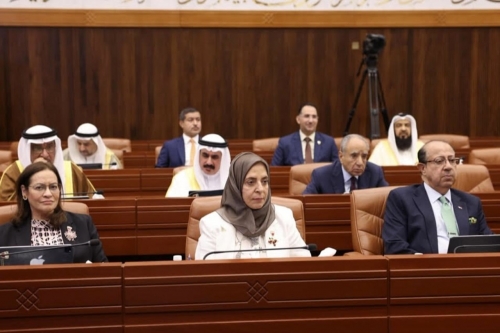
The government has asked the Shura Council to rethink a draft renewable energy law, saying its main rules already exist and that a new stand-alone law could muddy the running of Bahrain’s power sector.
The bill, drawn from a Shura Council proposal, would regulate power produced from renewable sources, link generation units to the electricity distribution network, widen the use of clean energy, cut consumption and curb carbon emissions.
In its memorandum, the government said the proposal overlaps with a 2017 ministerial decision regulating the connection of renewable energy units to the Electricity and Water Authority’s distribution network.
That decision, it said, already deals with connection procedures, technical and administrative rules, the duties of each side, service charges, network safety, measuring output and exporting surplus power to the grid.
The government said renewable energy was a fast-moving field better handled through flexible decisions and by-laws, rather than a separate statute that might have to be changed again and again as technology, network rules and pricing methods shift.
It also pointed to another bill before Parliament on the electricity and water sector, including power production, warning that a separate renewable energy law could create parallel rules and blur powers.
A proposed customs exemption also drew concern. The bill would exempt all renewable energy systems, devices, equipment and inputs from customs duties. The government said this may clash with the GCC customs union, which applies a common tariff and does not allow each member state to grant exemptions on its own.
Feed-in tariffs and any duty to buy renewable electricity could also carry costs for the power system and the state budget, the memorandum said. Such steps, it added, should be tested through economic and technical studies before being written into law.
The government also said the draft blurs the split between the ministry and the authority. The ministry would handle policy, strategy, yearly connection limits and technical rules, while the authority would manage connection terms, agreements and oversight of producers.
That split, the memorandum said, could lead in practice to doubled decision-making or uncertainty over who is answerable for what.
It also said the draft does not spell out enough rules on who can qualify or be licensed as a producer. Without clear technical and financial tests, the government warned, unfit operators could enter the field, with possible risks to the electricity network and consumers.
Related Posts