

Private Hospitals Open Doors for Free Emergency Care
TDT | Manama
Email: mail@newsofbahrain.com
Role
Private healthcare in Bahrain continues to stand as a vital partner to the public system, providing around 35 per cent of total health services across the Kingdom.
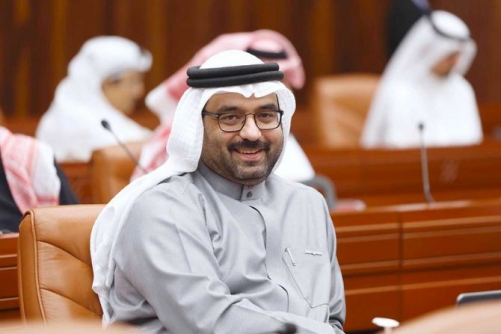
MP Ahmed Al Salloom said the sector plays a key role in easing pressure on government hospitals, noting that most private hospitals have stepped forward to receive emergency cases free of charge during the current exceptional circumstances.
Support
He said private medical institutions have invested significantly over the years, developing hospitals, specialised centres and advanced medical capabilities, while attracting skilled professionals and modern technologies.
He added that these efforts have raised the overall quality of healthcare services and strengthened Bahrain’s position as a regional medical hub.
In response to the current situation, many private hospitals have taken the initiative to accept emergency referrals from public hospitals and provide treatment at no cost, reflecting a strong sense of national responsibility.
Workforce
Al Salloom highlighted that the private healthcare sector employs more than 15,000 staff across 889 licensed institutions, with Bahrainis forming an important part of this workforce.
This, he said, makes the sector a key contributor to the national labour market and the stability of healthcare professionals in the Kingdom.
Challenges
Despite its contributions, the sector faces growing operational and financial challenges. The recent full closure during the aggression period, combined with a noticeable drop in patient visits due to safety concerns, has pressured private institutions.
This has affected their ability to meet financial obligations, including staff salaries, supplier payments and financing commitments.
He also pointed out that continuous contributions to the end of service indemnity fund have added further strain on liquidity.
Calls
In light of this, Al Salloom called for temporary supportive measures to sustain the sector during this period.
He proposed supporting the salaries of Bahraini employees, restructuring financial obligations with banks, and temporarily suspending contributions to the indemnity fund.
He also urged expanding government purchases of healthcare services from private hospitals and ensuring the steady supply of medicines and medical equipment.
At a time when the healthcare system is under pressure, he stressed that supporting the private sector is not optional, but essential to maintaining a balanced and resilient national healthcare system that continues to serve everyone.
Related Posts