

30 Million Children Out of School in MENA, UN Told
Bahrain Highlights Impact of Conflict
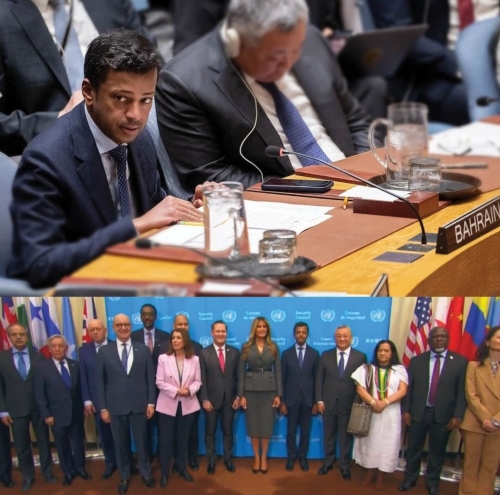
Jamal Fares Alrowaiei, the Permanent Representative of the Kingdom of Bahrain to the United Nations in New York City, took part in a United Nations Security Council meeting chaired by Melania Trump. The session focused on the impact of technology and education on children living in conflict situations.
The meeting also included a briefing by Rosemary DiCarlo, who addressed the broader challenges facing children in areas affected by instability and violence.
During his remarks, Ambassador Alrowaiei highlighted what he described as the ongoing Iranian aggression targeting Bahrain and the member states of the Gulf Cooperation Council. He said the attacks have caused significant material and psychological damage, posing a serious threat to the safety and security of citizens and residents.
He noted that Iranian attacks have continued to target civilian and service facilities as well as residential areas. As a precautionary measure, Bahrain has temporarily shifted to a remote learning system to ensure the safety of children and educational staff while maintaining the continuity of education.
The ambassador also expressed Bahrain’s appreciation for the “Advancing the Future Together” initiative launched by First Lady Melania Trump, which aims to strengthen the protection and well-being of children, particularly those living in fragile and conflict-affected environments.
On behalf of Bahrain, he also congratulated the United States on assuming the presidency of the UN Security Council for the current month.
Alrowaiei further warned about growing concerns affecting children worldwide, including the rise of online recruitment through digital platforms, the exploitation of children in illegal activities, and cyberattacks targeting educational infrastructure.
He also highlighted the severe psychological effects on millions of children in conflict zones. According to United Nations statistics, around 30 million children in the Middle East and North Africa are currently out of formal education—meaning one in every three children in the region is not attending school.
Related Posts