

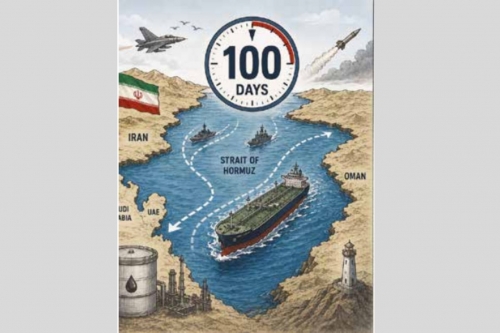
At 100 days, Gulf resilience proven
TDT | Manama
Email: mail@newsofbahrain.com
The Iran-US war is nearing its 100th day, a grim milestone in a conflict that has redrawn regional alliances, rattled global markets and heightened fears of a wider Middle East confrontation.
Even as a ceasefire has largely held since April, reports of fresh tensions in the Gulf of Oman and stalled negotiations between Washington and Tehran have underscored the fragility of the truce and the uncertainty surrounding a lasting settlement.
Yet amid the turbulence, the Gulf has demonstrated remarkable resilience. Despite disruptions to shipping routes and heightened security concerns, Gulf Cooperation Council (GCC) countries have maintained stability, protected critical infrastructure and ensured the continued flow of trade and energy supplies.
Concerns over maritime security, particularly around the Strait of Hormuz, have kept the Gulf at the centre of global attention. Nevertheless, ports, airports and logistics hubs across the region have continued to operate efficiently, reinforcing the GCC’s reputation as a reliable economic and trading hub.
The region’s economic resilience has been equally evident. While markets reacted to developments in the conflict, Gulf economies pressed ahead with development projects, diversification plans and long-term reforms, reflecting confidence in their economic foundations.
The GCC has also played an important diplomatic role, consistently advocating dialogue, restraint and de-escalation. Its balanced approach has helped preserve channels of communication at a time of heightened regional tensions.
Related Posts