

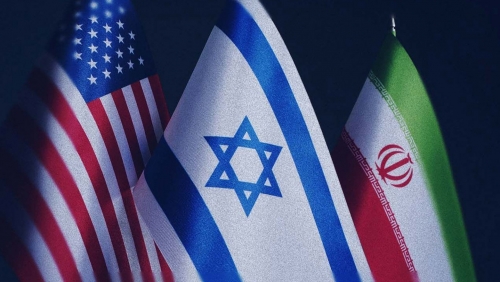
Global Leaders Welcome US-Iran Ceasefire; Urge Caution and Continued Diplomacy
email: online@newsofbahrain.com
Manama: World leaders have broadly welcomed the two-week ceasefire agreement between the United States and Iran, describing it as a positive step toward de-escalation while urging sustained diplomacy to secure a lasting resolution.
Iraqi Foreign Ministry said it “welcomes” the ceasefire and called for “serious and sustainable dialogue” to address the root causes of the conflict and build mutual trust.
Pakistan Prime Minister Shehbaz Sharif, whose country mediated the talks, said the ceasefire applies “everywhere, including Lebanon.” He also emphasised continued diplomatic engagement, with Islamabad hosting talks aimed at reaching a comprehensive agreement.
However, Israel pushed back on that claim. The office of President Benjamin Netanyahu said the ceasefire “does not include Lebanon,” highlighting early differences over the scope of the agreement.
Ukraine President Volodymyr Zelensky described the ceasefire as “the right decision,” saying it saves lives and creates conditions for diplomacy, while reiterating Ukraine’s own call for similar measures in its conflict.
At the United Nations, Secretary-General António Guterres welcomed the truce and urged all parties to comply with international law and the ceasefire terms to pave the way for “lasting and comprehensive peace.”
In Washington, White House Press Secretary Karoline Leavitt described the ceasefire as a “victory” for the United States, saying military pressure had created leverage for negotiations and opened the door to a diplomatic solution.
European leaders also expressed support. German Chancellor Friedrich Merz called for a durable end to the war through diplomacy and said Germany would help ensure freedom of navigation through the Strait of Hormuz.
French President Emmanuel Macron described the agreement as “a very good thing” and said it must be fully respected across the region, adding that France wants the ceasefire to extend to Lebanon.
EU top diplomat Kaja Kallas called the ceasefire a “step back from the brink” and a “much-needed” opportunity to reduce tensions, restart shipping, and create space for diplomacy.
The United Kingdom also welcomed the development, with Prime Minister Keir Starmer saying the agreement brings “a moment of relief” and stressing the need to sustain it and reopen the Strait of Hormuz.
Across Asia, leaders echoed similar sentiments. China said it welcomed the ceasefire and supported resolving the conflict through political means. Chinese Foreign Ministry spokesperson Mao Ning said Beijing had also made efforts to promote de-escalation.
Japan described the agreement as a “positive move,” with Chief Cabinet Secretary Minoru Kihara expressing hope that it would lead to a lasting settlement.
South Korea also backed the truce, with Foreign Ministry spokesman Park Il welcoming the agreement and its role in enabling the safe resumption of navigation through the Strait of Hormuz.
In Southeast Asia, Malaysian Prime Minister Anwar Ibrahim called the development a “positive step,” saying it could help restore peace and stability both in the region and globally.
Australia joined calls for calm, with Prime Minister Anthony Albanese reiterating his government’s long-standing appeal for de-escalation and an end to the conflict.
Meanwhile, Türkiye’s President Recep Tayyip Erdoğan urged all sides to respect the ceasefire and warned against “provocations and sabotage” that could undermine the agreement. Türkiye’s foreign ministry also called for full implementation on the ground.
New Zealand’s Foreign Minister Winston Peters said there remains “significant work” to be done to secure a lasting ceasefire, while praising diplomatic efforts by Pakistan, Türkiye and Egypt.
Russia also welcomed the truce. Spokesman Dmitry Peskov said Moscow supports the decision to step back from further confrontation, particularly any actions targeting civilian infrastructure.
Related Posts