

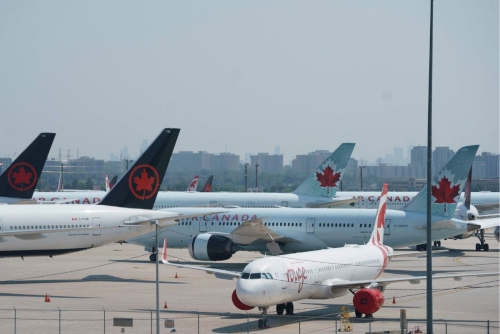
Jet fuel crisis deepens: Airlines cancel flights, raise fares as global supply tightens
Email: online@newsofbahrain.com
ABU DHABI: The deepening global jet fuel crisis has triggered a wave of flight cancellations and sharp fare hikes as the aviation industry struggles with a tightening energy supply. The crisis stems from a significant drop in global oil production and the closure of the Strait of Hormuz, which traditionally facilitates nearly 21% of the world’s seaborne jet fuel supply.
With approximately 10 million barrels of oil removed from the market daily due to ongoing conflict in the Middle East, the cost of jet fuel has more than doubled, forcing airlines to implement drastic measures to remain operational.
The impact of this supply shock is being felt through physical rationing and service reductions across multiple continents. In Europe, airports in northern Italy have begun limiting fuel for short-haul flights, while Asian carriers in Vietnam and Myanmar have been forced to suspend various domestic routes.
Major international airlines, including SAS and Air New Zealand, have already announced the cancellation of thousands of flights scheduled for April. To offset an estimated $11 billion increase in annual fuel expenses, carriers like Cathay Pacific and AirAsia X have implemented substantial fuel surcharges and fare increases, some as high as 40%.
Beyond cancellations, the crisis is forcing airlines into inefficient operational workarounds to maintain long-haul connectivity. Many carriers have resorted to ‘tankering’ carrying excess fuel from stable regions despite the added weight while others, such as Air India, have introduced technical refueling stops.
As the International Energy Agency warns that these shortages will likely spread further into Europe and North America throughout the spring, the aviation sector faces a summer of reduced capacity and record-high ticket prices. With strategic reserves acting only as a temporary buffer, the industry remains highly vulnerable to the continued volatility of the global energy market.
Photo Credits: AFP
Related Posts