

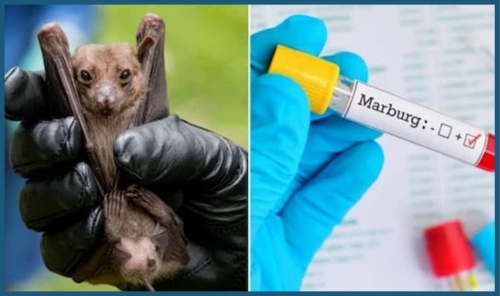
Marburg in Ethiopia: A Deadly Mystery Unfolding
What would you do if a neighbour suddenly fell ill with what seemed like an ordinary fever… only for doctors to discover it was one of the deadliest viruses known to science? That unsettling scenario is now a reality for families in southern Ethiopia, and it has left an entire region on edge.
Earlier this week, Ethiopia confirmed its first-ever outbreak of Marburg virus disease, after the World Health Organization (WHO) verified nine cases. For many locals, the news arrived as a shock. For health experts, it was a warning sign they had long anticipated.
A Community Grappling With the Unknown
In the affected town, many residents said they had never even heard the word “Marburg” before health workers arrived. Mothers kept their children close. Shopkeepers whispered. People kept asking the same quiet question:
“How did this reach us?”
WHO teams later revealed that genetic analysis showed the virus matches the same strain recently detected in other East African countries. It was not an isolated incident, but part of a broader regional pattern.
Within hours, international specialists, epidemiologists, and logistical teams were on the ground. Their mission: to stop the virus before it spreads further and to reassure worried communities that they were not facing this alone.
A Virus With a Notorious Past
Marburg virus disease was first identified in 1967 following simultaneous outbreaks in the German cities of Marburg and Frankfurt, and in Belgrade, Serbia. Laboratory workers handling imported African green monkeys (Cercopithecus aethiops) from Uganda were the first to fall ill. Since then, at least 15 outbreaks have been reported worldwide, mostly in Africa, including recent cases in Equatorial Guinea and Tanzania.
The Virus That Changes Everything Within Days
Marburg is a brutal illness. It begins with fever, headache, and overwhelming tiredness — nothing that would alarm most families.But by the third day, everything changes. Diarrhoea, vomiting, and intense abdominal cramps set in. Families often describe their loved ones as looking “different”: eyes sunken, faces expressionless, energy drained.
Then comes the phase that terrifies even seasoned medical staff: the bleeding. From the gums. From the nose. Sometimes from unexpected places. In the most severe cases, death follows within a week.
A Diagnosis No One Wants to Deliver
Doctors in the region face an emotional burden of their own. Imagine being the physician who must tell a family that there is no approved cure and no licensed vaccine for the virus you have just diagnosed.
Yet, there is still hope. Supportive treatment — rehydration, symptom control, and close monitoring — significantly improves a patient’s chances. Every hour truly matters.
Life in the Shadow of the Caves
Many locals work near caves inhabited by Rousettus fruit bats — the natural hosts of the virus. For them, the outbreak is more than a public health emergency; it threatens their livelihoods.One miner told investigators plainly: “We depend on the mines. But now we fear them.” WHO continues urging the use of protective clothing, safer work practices, and sustained community awareness, especially for those whose work brings them close to bats.
A Region on Alert — and the World Watching Carefully
Although global health authorities stress that the outbreak remains limited, Ethiopia’s first encounter with Marburg is a reminder of how quickly a virus can shake the daily lives of ordinary people.Laboratories are running around the clock. Researchers are accelerating vaccine candidates. WHO’s emergency teams remain stationed in the field, working alongside Ethiopian health authorities.
The Question Everyone Is Asking
Will Ethiopia stop the outbreak in time? Health officials believe it is possible — but only if communities remain informed, engaged, and supported.
Related Posts