

The Citizen: The Backbone of Soft Warfare
TDT | Manama
Email: mail@newsofbahrain.com
A few days ago, I was a guest on Bahrain Television to discuss the challenges facing the Kingdom of Bahrain—challenges that are no longer confined to conventional military threats, but have expanded into more complex and dangerous arenas, most notably the battlefield of “cognitive warfare” waged across digital platforms and social media.
This reality has become increasingly evident through the content being circulated and promoted online, revealing a systematic campaign aimed at undermining the unique social fabric of Bahraini society. It is no secret that this cohesion represents a primary target, particularly amid ongoing Iranian aggressions against national sovereignty and persistent attempts to influence and manipulate public perception.
Bahrain has been subjected to dozens of misleading media campaigns designed to create divisions within its unified society. Yet, the Bahraini people—thankfully—have demonstrated remarkable resilience and unity in overcoming these challenges. However, the current phase requires a shift from reactive responses to the development of a sustainable strategy built upon what can be described as “societal immunity.”
This immunity begins with reinforcing the national narrative and reviving a rich historical legacy filled with unifying milestones—from the founding era during the time of Isa Al-Kabeer, through independence, the aspirations of Arab unity, and culminating in the National Action Charter and the establishment of the modern constitutional state. Across all these stages, the unity of the Bahraini people stands as an undeniable and enduring truth.
On the technological front, smartphones—now inseparable from our daily lives—have evolved into some of the most powerful tools of influence. They have effectively become platforms for launching “digital bullets” targeting minds remotely. Recent crises have exposed the scale and danger of disinformation, leaving no doubt that this weapon must be contained and strategically redirected—not ignored.
Combating such warfare requires the production of credible content and the establishment of trusted sources capable of earning public confidence. Unfortunately, false narratives often spread faster than verified facts, creating a dangerous gap in public awareness. This is where national media must step forward—not merely as a respondent, but as the primary narrator and authoritative source of truth.
Neutralizing “toxic platforms” can no longer rely on traditional approaches. It demands modern tools and a participatory model that positions the citizen as an active partner rather than a passive consumer. By encouraging organized reporting of misleading content, society itself can transform into a first line of defense, where the citizen becomes the true backbone of this soft war.
In this context, empowering citizens—and even children—with the skills to analyze digital content is essential. This includes understanding technologies such as deepfakes and consistently asking the critical question: Who benefits from the dissemination of this message?
This question alone can shift individuals from passive reception to critical awareness.
The adversary in information warfare is always searching for a “spark,” while we must cultivate in every Bahraini citizen the role of a “first responder,” capable of extinguishing that spark before it escalates into a crisis.
Our national leadership has presented a compelling model of inclusivity under the reform project of His Majesty King Hamad bin Isa Al Khalifa. This model strengthens citizens’ trust in their state and grants them the moral courage to reject hate speech, knowing their nation safeguards their rights and unity.
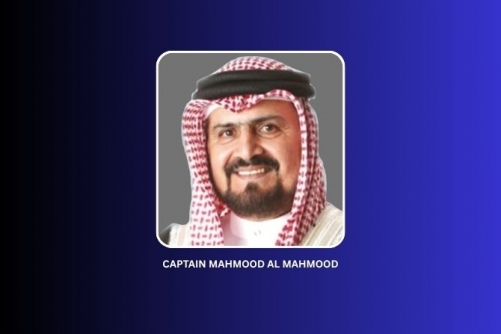
(Captain Mahmood Al Mahmood is the Editor-in-Chief of The Daily Tribune and the President of the Arab-African Unity Organisation for Relief, Human Rights and Counterterrorism)
Related Posts