

India Is There for Bahrain When It Matters Most
Email: mail@newsofbahrain.com
As the Middle East grappled with the fallout of the Iran-US-Israel conflict, India's External Affairs Minister Dr. S. Jaishankar embarked on a diplomatic tour of key Gulf states, reaffirming India's relationships with partners who matter deeply to New Delhi — economically, strategically and in terms of the millions of Indian citizens who call the Gulf home.
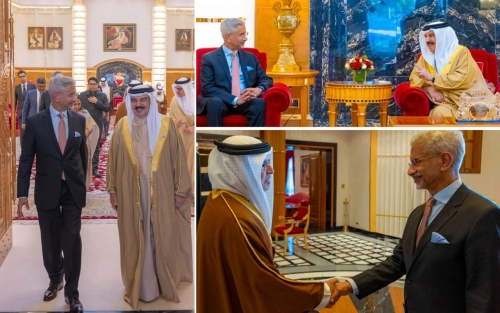
The Bahrain leg of the tour stood out as particularly significant. Dr. Jaishankar was received by His Majesty King Hamad bin Isa Al Khalifa in a meeting that underscored the depth of India-Bahrain ties stretching back centuries. The audience with HM the King signalled Bahrain's recognition of India's growing regional role and its value as a stable, constructive partner during turbulent times.
The minister also held substantive talks with His Royal Highness Prince Salman bin Hamad Al Khalifa, the Crown Prince and Prime Minister, covering bilateral cooperation, regional security, trade and investment. The discussions reflected a shared interest in stability and the protection of critical maritime routes, including the Strait of Hormuz — whose closure had already sent shockwaves through global energy markets.
"India values its deep and enduring partnership with Bahrain," Jaishankar said following the meetings. "These are not just diplomatic relationships — they are civilisational bonds, strengthened by shared interests and mutual respect."
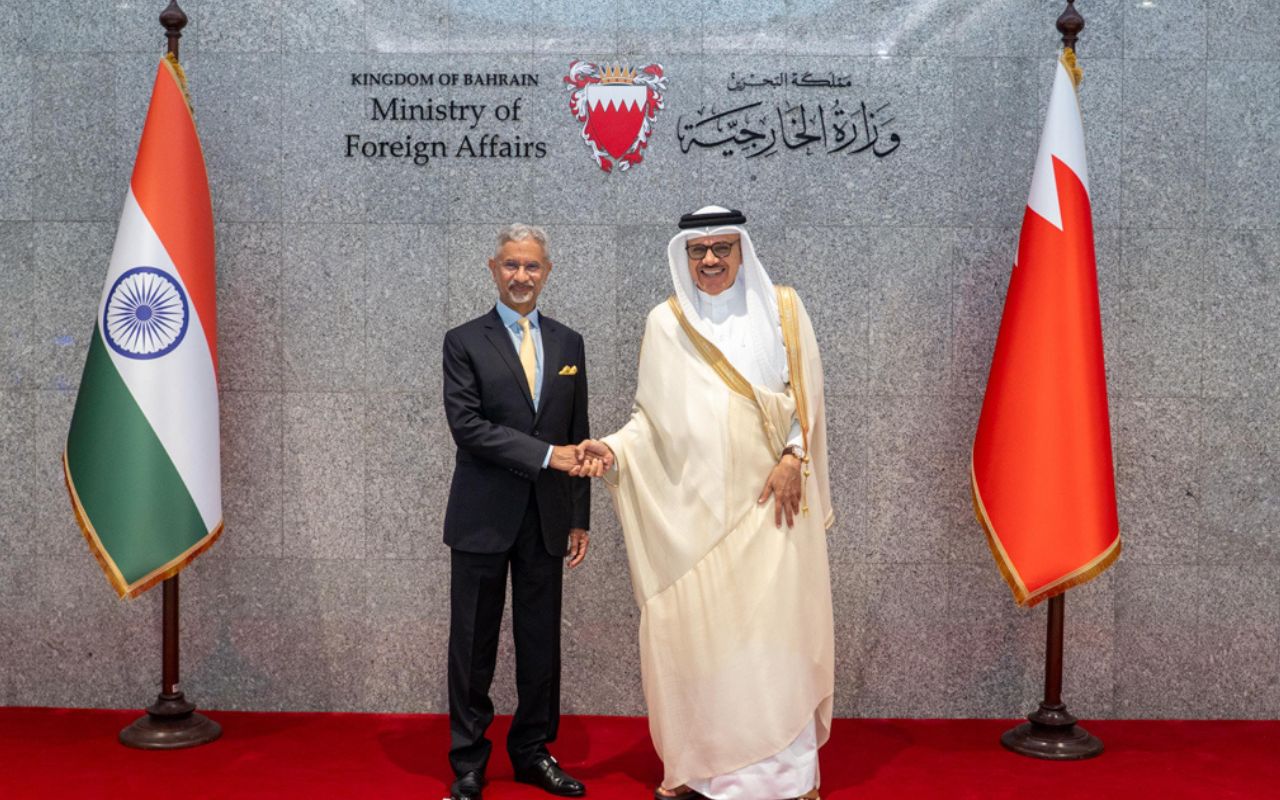
One of the most emotionally resonant moments of the Bahrain visit came when Jaishankar met members of the Indian diaspora community — one of the largest and most economically active expatriate communities in the Kingdom. Addressing the gathering, the minister paid tribute to their contributions to both Bahrain's economy and India's own development through remittances, investment and cultural exchange.
The diaspora meeting carried a deeper message — that New Delhi's Gulf diplomacy is not purely transactional but rooted in the lives and welfare of ordinary Indians living and working thousands of miles from home.
Across his Gulf tour, Jaishankar's message was consistent: India is not a bystander in the Middle East. As a nation that imports a significant share of its energy from the Gulf, hosts millions of its citizens there and conducts billions of dollars in annual trade with Gulf partners, India has as much at stake in regional stability as any party to the conflict.
New Delhi's approach — engaging all sides without taking sides — mirrors its broader foreign policy posture.
The visit to Bahrain, in particular, demonstrated that the bilateral relationship has matured well beyond its historical foundations into a modern strategic partnership — one equipped to navigate the complexities of a rapidly changing regional order.
cvb cvb
Related Posts