

Bahrain Health Workforce Doubles in a Decade
TDT | Manama
Email: mail@newsofbahrain.com
Bahrain’s health workforce has surged by 119 pc in a decade, with women now making up seven in every 10 medical staff in the kingdom.
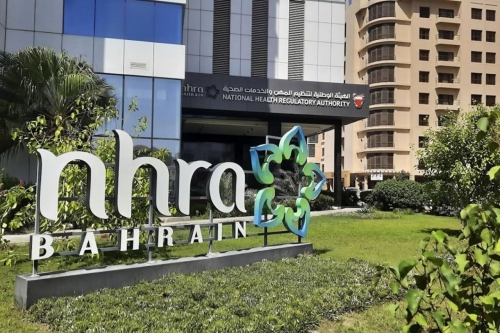
The number of registered health workers rose from 9,663 in 2015 to 21,156 in 2024, an increase of 11,493, according to the latest figures from the National Health Regulatory Authority.
Women numbered 14,954, or 70.7 pc of the workforce, against 6,202 men. They formed the majority in all five professions covered by the figures.
Nurses remained the largest group, with 9,830 staff, or 46.5 pc of the total. Bahrain also had 4,198 doctors, 4,169 allied health workers, 1,886 pharmacists and 1,073 dentists.
Nursing recorded the largest rise in headcount, adding 4,526 workers since 2015. The profession accounted for 39.4 pc of all staff added during the decade.
Allied health professions added 2,550 workers, rising from 1,619 to 4,169, an increase of 157.5 pc.
The number of doctors rose from 2,155 to 4,198, adding 2,043 staff and growing by 94.8 pc.
Pharmacy and dentistry posted the fastest rates of growth.
Pharmacist numbers rose from 355 in 2015 to 1,886 in 2024, an increase of 431 pc. Their share of the health workforce climbed from 3.7 pc to 8.9 pc.
Dentist numbers rose from 230 to 1,073, an increase of 367 pc. Their share grew from 2.4 pc to 5.1 pc.
The rise in these smaller professions cut the share held by doctors and nurses, despite large gains in both groups.
Doctors accounted for 19.8 pc of the workforce in 2024, down from 22.3 pc in 2015. Nursing’s share fell from 54.9 pc to 46.5 pc.
Nursing and allied health workers together numbered 13,999, or 66.2 pc of the total. About two in every three health workers were employed in nursing or fields such as laboratories, radiography, rehabilitation, diagnosis and treatment.
Women made up 84.8 pc of the nursing workforce, with 8,332 female nurses against 1,498 men. Female nurses alone accounted for 39.4 pc of all health workers in Bahrain.
Women also made up 68 pc of allied health staff, 54.1 pc of dentists, 53.8 pc of pharmacists and 52.2 pc of doctors.
Their number across the five professions rose from 7,247 in 2015 to 14,954 in 2024, an increase of 7,707, or 106 pc.
Women accounted for about 67 pc of all health workers added during the decade.
The number of male health workers rose from 2,416 to 6,202, while their share of the workforce increased from 25 pc to 29.3 pc.
Growth slowed sharply in 2024, when the total rose by just 193 workers, or 0.9 pc, from 20,963 a year earlier.
Allied health professions accounted for most of the gain, adding 214 workers to reach 4,169.
Dentist numbers rose by 18 and pharmacist numbers by 16.
The number of doctors fell by 53, or 1.2 pc, to 4,198, while nursing numbers slipped by two to 9,830.
The slower pace followed a rise of 1,874 workers in 2023, when the workforce grew by 9.8 pc from 19,089.
The total remained close to 9,600 between 2015 and 2017 before rising to 14,900 in 2018. It fell to 14,100 in 2019, climbed to 17,000 in 2020 and passed 21,100 in 2024.
Figures for 2018 to 2020 gave totals by profession without a breakdown by sex. The data did not explain the sharp changes recorded in some years.
The decade-long rise left Bahrain with a larger and less doctor-and-nurse-heavy workforce, as pharmacy, dentistry and allied health took a greater share of medical staffing.
Related Posts