

Solar Output Tops 230 GWh
Government targets 20% clean energy share by 2035
TDT | Manama
Email: mail@newsofbahrain.com
Renewable energy projects in Bahrain have reached 372, with a combined capacity of more than 141 megawatts, as the kingdom works to lift clean power to 20 pc of its energy mix by 2035.
New Electricity and Water Authority figures show grid-linked solar systems now produce more than 230 gigawatt hours a year. The authority is also working to raise distributed renewable energy capacity to about 500 megawatts in the coming years.
Large solar plants with a combined capacity of 500 megawatts are also planned, including the expansion of the Al Dur renewable energy plant and the kingdom’s first tender for a solar power station.
The Southern Governorate has the highest number of systems, with 124, followed by Muharraq with 93, the Capital Governorate with 88 and the Northern Governorate with 67.
Muharraq leads on output, producing 93 gigawatt hours a year, close to 40 pc of the total. The Southern Governorate produces 70 gigawatt hours, the Capital Governorate 48 and the Northern Governorate 21.
Annual connected capacity under the net metering scheme rose from about 15.2 megawatts in 2023 to 23 megawatts in 2024 and more than 43.4 megawatts in 2025.
Net metering allows homeowners and businesses to use the electricity they produce and export any surplus to the grid in return for a deduction from their bills.
The authority says it has issued grid connection rules, approved contractors, consultants and materials, and moved applications to the Benayat platform. Around 1,250 approved models of renewable energy parts and systems are listed, from nearly 170 approved makers.
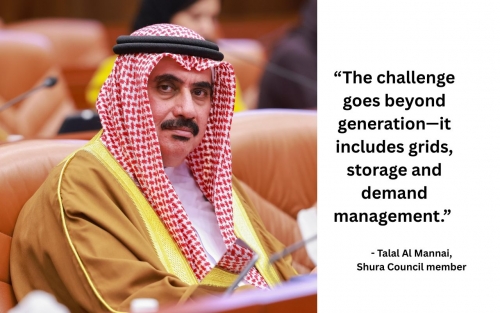
Talal Al Mannai, Shura Council member and chief executive of Al Mannai Projects, said the figures showed headway, but faster work is needed to meet the 2035 goal.
Mr Al Mannai said Bahrain needed a clear law to govern renewable energy investment by households, companies and factories. He said he and other Shura Council members had put forward a renewable energy bill, which the council approved before the Government sent it to Parliament as draft law.
He said household solar power must be made easier and more attractive through cheaper finance, partial grants, faster approvals and contracts that allow homeowners to benefit from the power they produce.
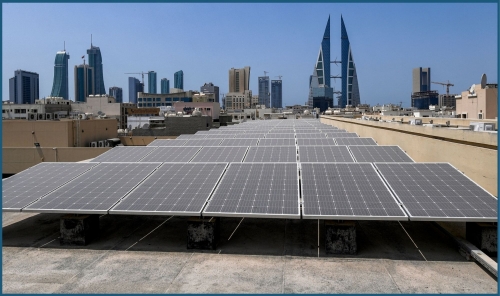
Homes remain the weak point. Only about 70 of the 372 projects are rooftop systems on houses; solar power is more common in commercial and industrial premises where electricity use is higher and the payback period is shorter.
sdgfsdg
Related Posts