

Monk Fruit Sugar: Health Trend or Hype?
Expert explains benefits and limits of rising natural sweetener
TDT | Manama
Email: mail@newsofbahrain.com
Monk fruit sugar, a new natural sweetener gaining shelf space in supermarkets, is attracting attention among consumers looking for healthier alternatives to refined sugar.
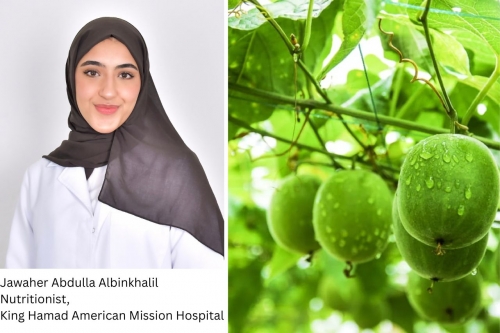
Originally from China, monk fruit is a small green melon traditionally used in herbal medicine and cultivated by Buddhist monks centuries ago. Its sweetness comes from natural compounds called mogrosides, which are far sweeter than sugar but contain zero calories, making it popular in health-focused foods and drinks.
Speaking to The Daily Tribune, Jawaher Abdulla Albinkhalil, Nutritionist at King Hamad American Mission Hospital, said monk fruit can offer real benefits, particularly for people with diabetes or those managing weight, as it does not raise blood sugar levels.
However, she cautioned that not all products labelled as monk fruit are pure extracts. Many are blended with other sweeteners or additives, which can reduce their overall health value.
She also advised moderation, noting that while regulators like the FDA approve it within safe limits, emerging research suggests artificial and natural sweeteners may still influence gut health, metabolism, and appetite in complex ways.
“For long-term health, reducing overall dependence on sweet taste is more effective than simply replacing sugar,” she said.
Albinkhalil added that pure monk fruit extract is generally safe, though some blended products containing sugar alcohols like erythritol may cause mild digestive discomfort in sensitive individuals. Allergic reactions remain rare but are possible, particularly among those sensitive to gourds, the plant family to which monk fruit belongs.
Related Posts