

Not just a cold
Doctors warn of growing spring allergy wave in Bahrain
TDT | Manama
Email: mail@newsofbahrain.com
Bahrain is experiencing a familiar seasonal shift, with some residents noticing an uptick in sneezing, watery eyes, eczema flare-ups, and mild respiratory irritation — symptoms commonly linked to spring allergies.
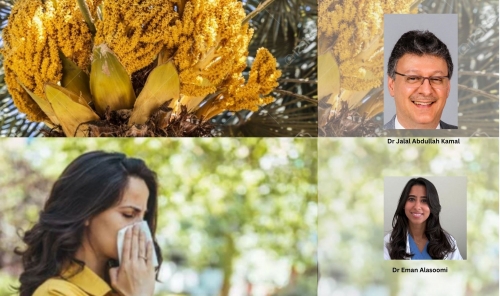
Speaking to The Daily Tribune, Dr Eman Al-Asoomi, a family physician, noted that while allergies are often viewed as a minor nuisance, they can significantly affect sleep, productivity, and overall quality of life for many individuals.
“Currently, the region is entering a peak period where rising temperatures, pollen release from date palms and flowering plants, and recurring dust storms combine to create a high load of airborne irritants. This allergy season is expected to intensify over the coming weeks and may extend into early summer,” she said.
She added that there has been a noticeable uptick in allergy-related complaints over the past four to six weeks, consistent with seasonal patterns as Bahrain transitions from mild winter to warmer spring conditions.
“Patients are presenting more often with nasal congestion, sneezing, itchy eyes, and dry cough — symptoms that are often mistaken for a mild viral illness but typically persist without fever. A key challenge is that many patients attribute these symptoms to a recurrent ‘summer cold’ and delay seeking care until complications such as sinusitis, sleep disturbance, or worsening of underlying conditions develop.”
“Pollen allergy is common but often under-recognised,” said Dr Eman. “Many patients assume their symptoms are only due to dust exposure or recurrent colds. In my clinic, seasonal respiratory complaints during spring and early autumn often have a clear allergic component, confirmed by history or response to antihistamines. Pollen allergy is definitely not rare, but it is less frequent than perennial dust or pet dander allergy in Bahrain’s indoor-heavy lifestyle.”
Another family medicine consultant, Dr Jalal Abdullah Kamal, noted that during peak allergy periods, some individuals may experience heightened sensitivity overall.
“In clinical practice, patients prone to allergies may report stronger reactions to triggers such as certain foods, including shellfish or nuts, as the immune system appears more reactive during these periods. While evidence remains limited, this is a commonly observed pattern in practice,” he said.
He added that those who spend extended time outdoors, such as delivery personnel and other outdoor workers, are more frequently affected due to higher exposure to dust and airborne particles.
Dr Eman further highlighted that high-risk groups include patients with allergic rhinitis, individuals with asthma, children — especially preschool and school-aged — patients with eczema, and older adults with COPD or heart disease.

PREVENTIVE CARE
Both doctors emphasised that consistent preventive measures can significantly reduce symptom burden during the allergy season.
They advised patients to take practical steps at home and outdoors. At home, this includes keeping windows closed during peak pollen hours — such as early morning and late afternoon — and during dust storms; using HEPA air purifiers in bedrooms; vacuuming with HEPA filters twice a week; damp-dusting regularly; washing bed linens in hot water weekly; and removing shoes at the door and showering before bed to reduce allergen exposure.
Outdoors, they recommend wearing sunglasses and masks on windy or dusty days, avoiding early morning outdoor exercise when pollen levels peak, and using saline nasal rinses after returning home to clear allergens.
If symptoms persist despite these measures, non-sedating antihistamines or topical nasal steroid sprays may help. However, patients are advised to consult a doctor before starting regular medication.
Related Posts