

What’s Next on Parliament’s Agenda?
TDT | Manama
Email: mail@newsofbahrain.com
• Lower threshold for questioning ministers
• New law regulating legal profession (replacing 45-year-old law)
• Autism support policies (health, education, services review)
• Family housing misuse bill likely to be rejected
• Pension loan cycle reform for privatesector retirees
• Bahrain–Jersey tax agreement (double taxation avoidance)
• Housewives’ voluntary pension scheme proposal • Review of the Eskan Bank housing loan cap (BD120,000)
Bill Would Lower Bar for Questioning Ministers
A bill set for debate in Bahrain’s Parliament next Tuesday proposes lowering the threshold required to initiate questioning of ministers and introducing the option of holding some sessions in private.
The amendment to Decree-Law No. 54 of 2002 would reduce the required approval for an interpellation from a two-thirds majority to a simple majority, making it easier for MPs to exercise oversight powers.
It also allows questioning sessions to be held behind closed doors if requested by the government, the Speaker, or at least 10 MPs, with the final decision subject to a vote.
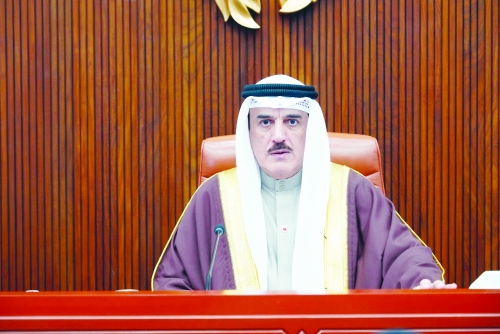
Speaker Ahmed Al Musallam and other sponsors said the changes aim to strengthen parliamentary oversight tools and improve legislative efficiency.
The Legislative and Legal Affairs Committee has already endorsed the bill and recommended its approval.
Review New Limit for Eskan Bank Housing Loans
A revised bill proposing a BD120,000 ceiling on housing finance provided by Eskan Bank for citizens seeking to build or purchase homes is also on Parliament's agenda.
The proposal seeks to link the loan amount to the applicant’s monthly income based on a funding table set by the Ministry of Housing and Urban Planning, while capping total financing at BD120,000.
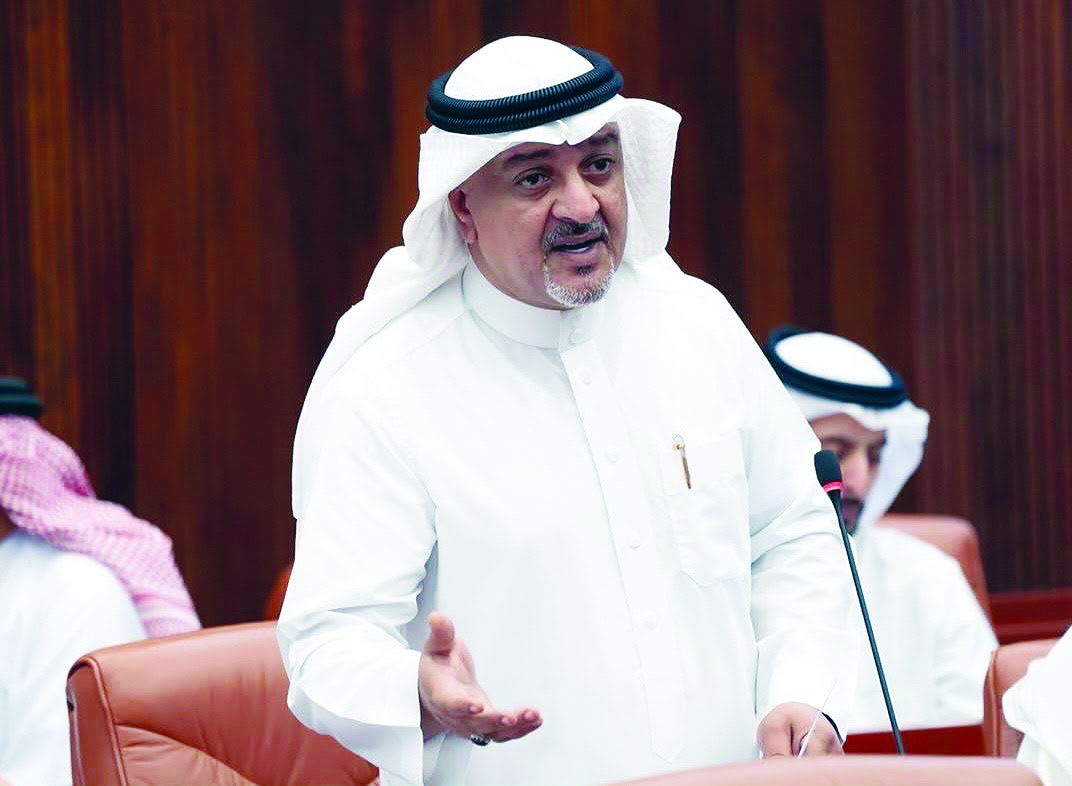
MP Jalal Kadhem, who introduced the bill, said the aim is to align housing support with rising property prices and construction costs, easing financial pressure on families and reducing reliance on additional personal loans.
The Public Utilities and Environment Committee recommended approving the revised bill after amendments removed the minimum financing threshold and retained only the upper limit.
The ministry, however, said existing housing laws and programmes already address the issue and warned that fixing a cap could increase pressure on the housing budget and reduce the number of beneficiaries.
Housewives’ Pension Plan
Parliament is set to debate a proposal allowing housewives to voluntarily join the national pension system, with monthly contributions capped at BD500.
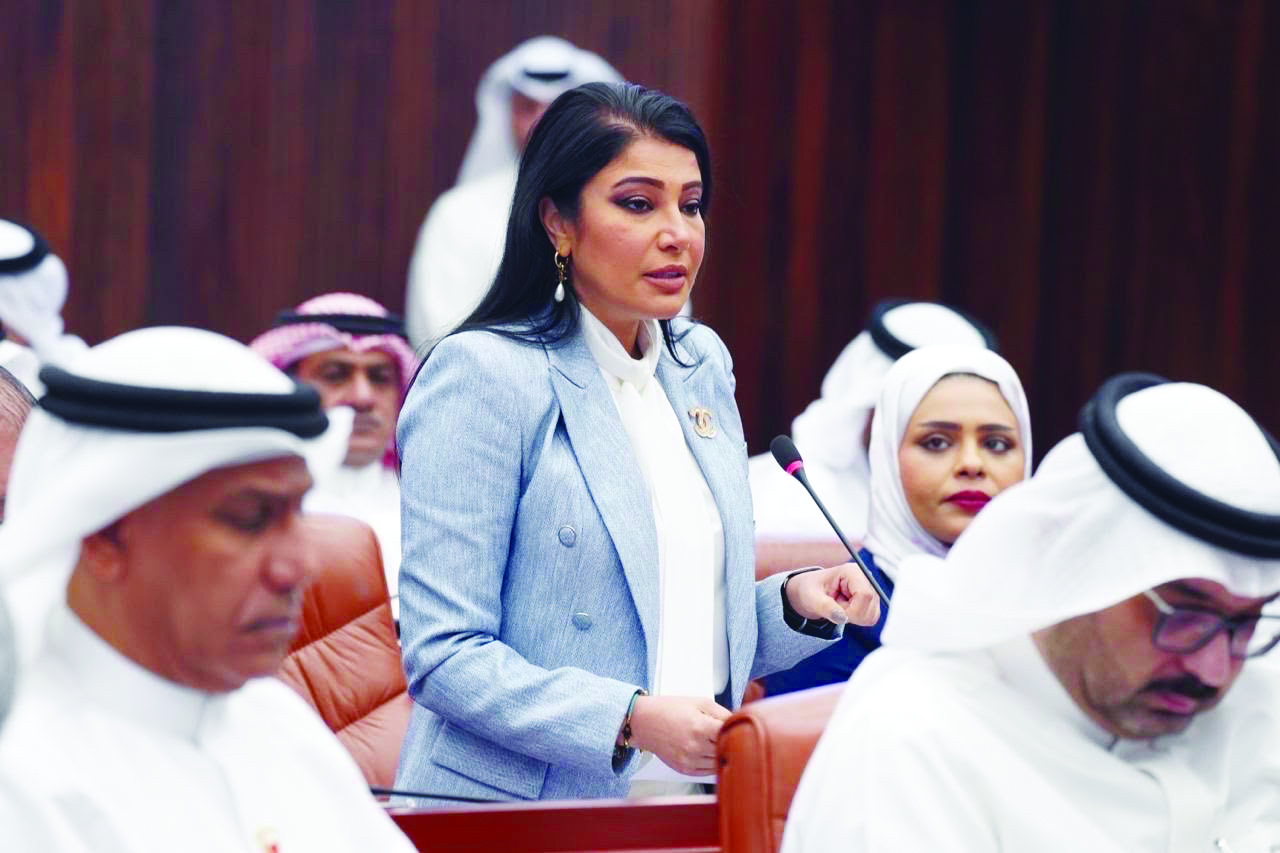
The bill, submitted by Maryam Al Dhaen, would enable women managing households to contribute to the Social Insurance Organisation and receive retirement, disability, and survivor benefits under the same framework as other insured groups.
Supporters say the initiative fills a gap in the current system, which covers public and private sector workers and the self-employed but excludes housewives, while also recognising the value of unpaid domestic work.
The parliamentary Services Committee has recommended approval, citing greater social fairness and improved financial security for families.
However, the Supreme Council for Women raised concerns over financial sustainability and overlap with existing assistance programmes, while the Bahrain Women Union urged broader legal recognition of unpaid household labour.
Lawmakers are expected to deliberate the proposal before taking a final decision.

Family Housing Misuse Bill Faces Rejection
A proposed law to fine landlords or tenants for misusing family housing is set for debate in Bahrain’s Parliament on Tuesday, but it is likely to be rejected after unanimous opposition from the Public Utilities and Environment Committee.
The bill seeks to amend Law No. 27 of 2014, allowing municipalities to impose fines of up to one year’s rent for violations. However, the committee said existing laws already address such cases and warned that the proposal would place unnecessary financial burdens on citizens.
The government and key bodies, including the Real Estate Regulatory Authority, also opposed the bill, citing legal and constitutional concerns, such as the authority to impose fines outside the courts.
Officials argued that current regulations already allow action against violations, such as contract cancellation and service disconnection, making new legislation unnecessary

New Bill Seeks 2-Year Pension Loan Cycle
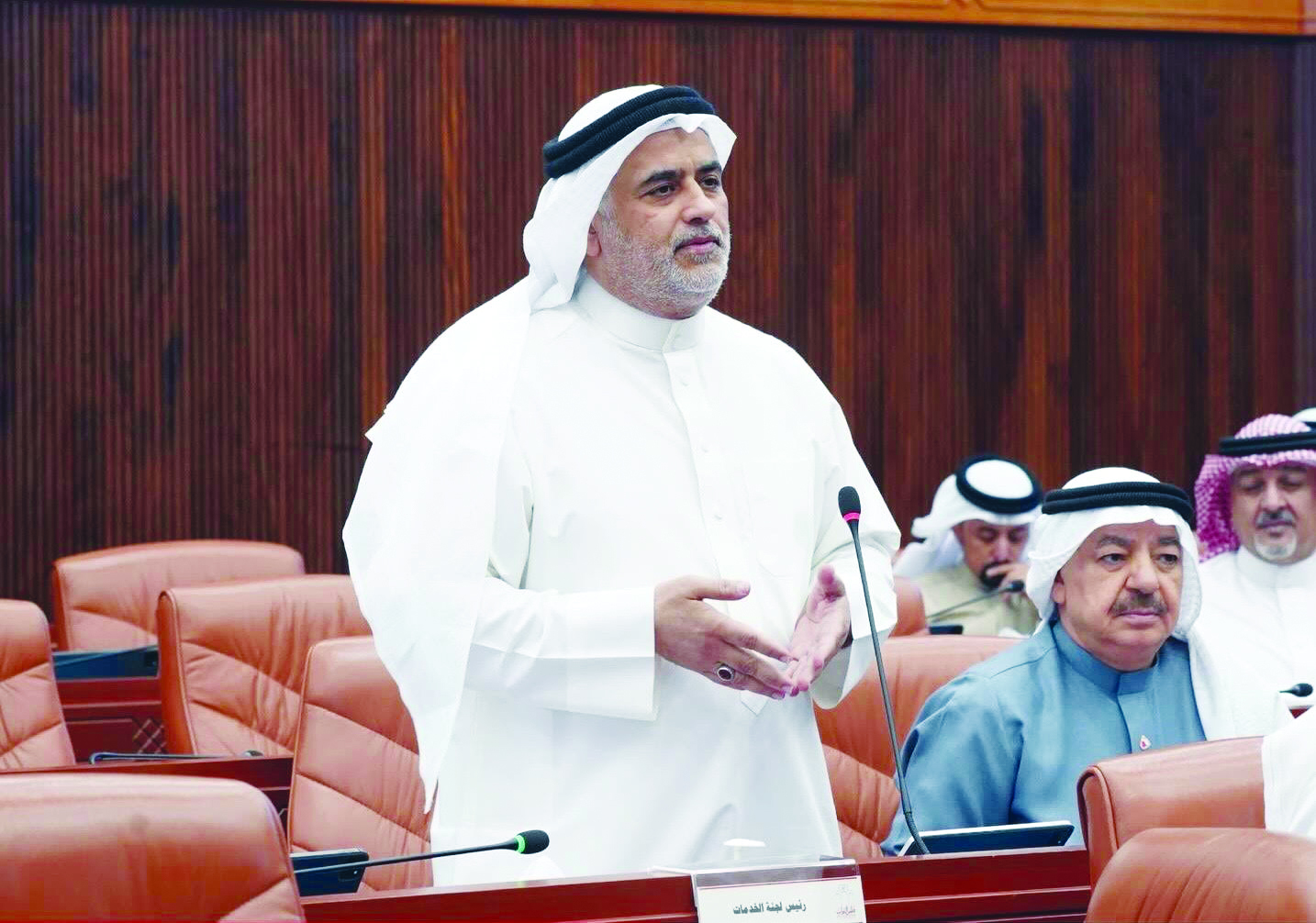
A draft law set to be debated in Parliament would allow private-sector retirees to take a pension substitution loan every two years, aligning their benefits with those of public-sector pensioners.
The bill amends Article 144 of Bahrain’s Social Insurance Law to make the two-year waiting period start from the date of the last loan, instead of the final repayment date of the previous one.
Lawmakers say the change aims to ensure equal treatment between private and public-sector retirees while easing financial pressure on pensioners and improving living standards.
The government has backed the proposal, saying it supports fairness across pension systems and strengthens the sustainability of social insurance funds. Parliament’s Services Committee has already approved the bill in principle, with full member support, and recommended its passage to the House.
New Bill Seeks 2-Year Pension Loan Cycle
A draft law set to be debated in Parliament would allow private-sector retirees to take a pension substitution loan every two years, aligning their benefits with those of public-sector pensioners.
The bill amends Article 144 of Bahrain’s Social Insurance Law to make the two-year waiting period start from the date of the last loan, instead of the final repayment date of the previous one.
Lawmakers say the change aims to ensure equal treatment between private and public-sector retirees while easing financial pressure on pensioners and improving living standards.
The government has backed the proposal, saying it supports fairness across pension systems and strengthens the sustainability of social insurance funds. Parliament’s Services Committee has already approved the bill in principle, with full member support, and recommended its passage to the House.
Autism Support Policies
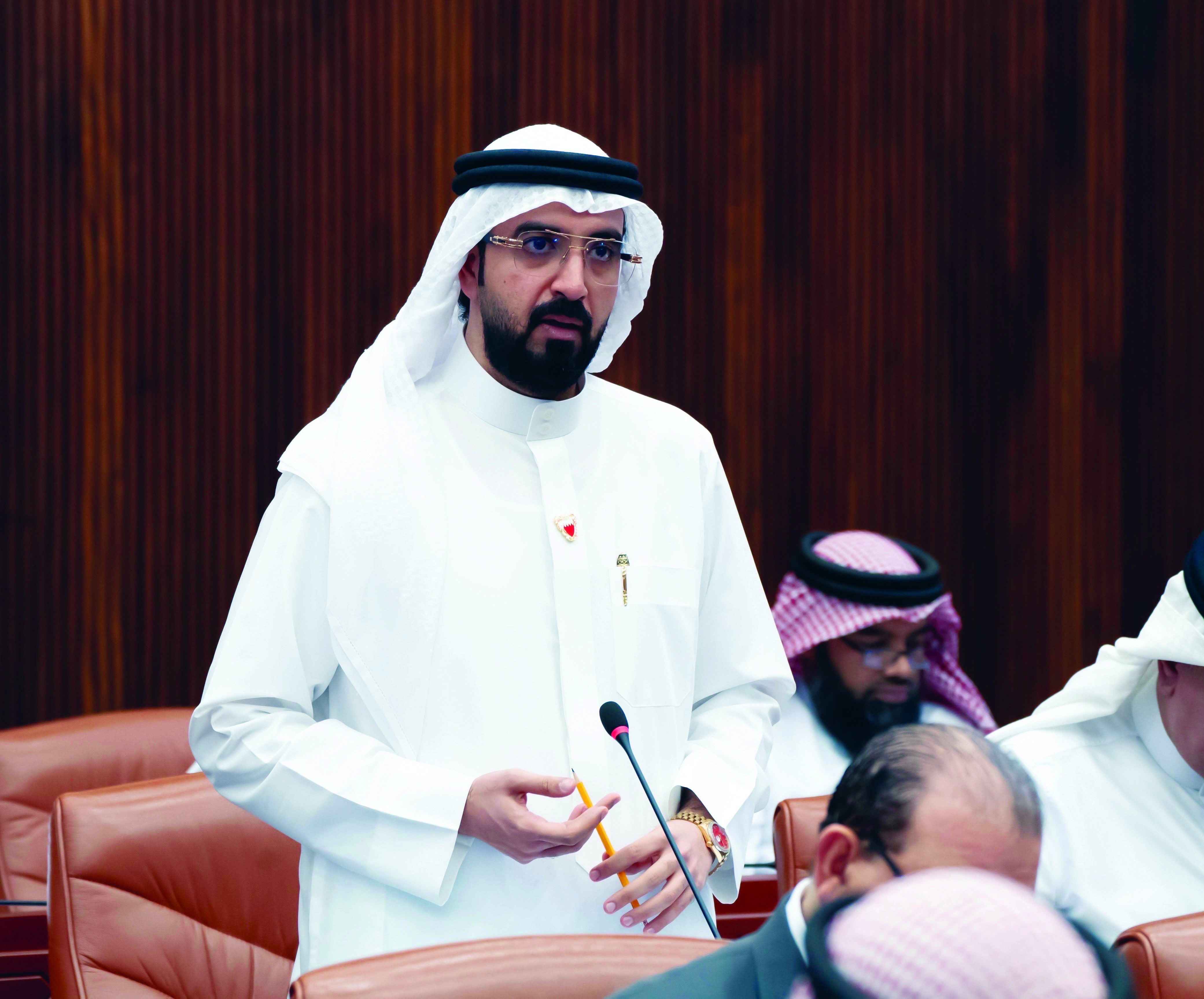
Government policies and national initiatives for people with autism spectrum disorder will be on Parliament’s agenda, with MP Hassan Ebrahim set to lead the discussion.
Lawmakers are expected to question ministers on healthcare, education, financial support, and social inclusion services for individuals with autism, including diagnosis procedures, treatment pathways, and coordination between state institutions.
The debate will also examine early diagnosis efforts, disability allowance eligibility, and the capacity of rehabilitation centres, alongside oversight of both public and private care providers.
Education support will be a key focus, with MPs seeking details on autism-inclusive schools, specialised classrooms, teacher training, and integration programmes in mainstream education.
The request highlights rising autism diagnoses in recent years and growing pressure on families due to limited specialist services, high treatment costs, and a shortage of trained professionals.

Bahrain–Jersey Tax Agreement
Parliament is set to debate and vote on a draft law ratifying a tax agreement between Bahrain and Jersey aimed at avoiding double taxation and preventing tax evasion.
The agreement, signed in Manama on 15 September 2025, is designed to strengthen economic cooperation and provide clearer tax rules for individuals and companies operating across both jurisdictions.
The Financial and Economic Affairs Committee recommended approval of the bill, which includes provisions for information exchange between tax authorities while ensuring confidentiality.
The agreement also defines tax residency, rules for business profits, and the treatment of income such as dividends, interest, royalties, and capital gains, while setting mechanisms to resolve tax disputes.
The Ministry of Foreign Affairs said the deal supports Bahrain’s international interests, enhances financial sector cooperation, and helps protect taxpayers from double taxation.
The Bahrain Chamber of Commerce and Industry also backed the agreement, saying it improves the investment climate and encourages foreign investment.
MPs to Vote on New Lawyers Law
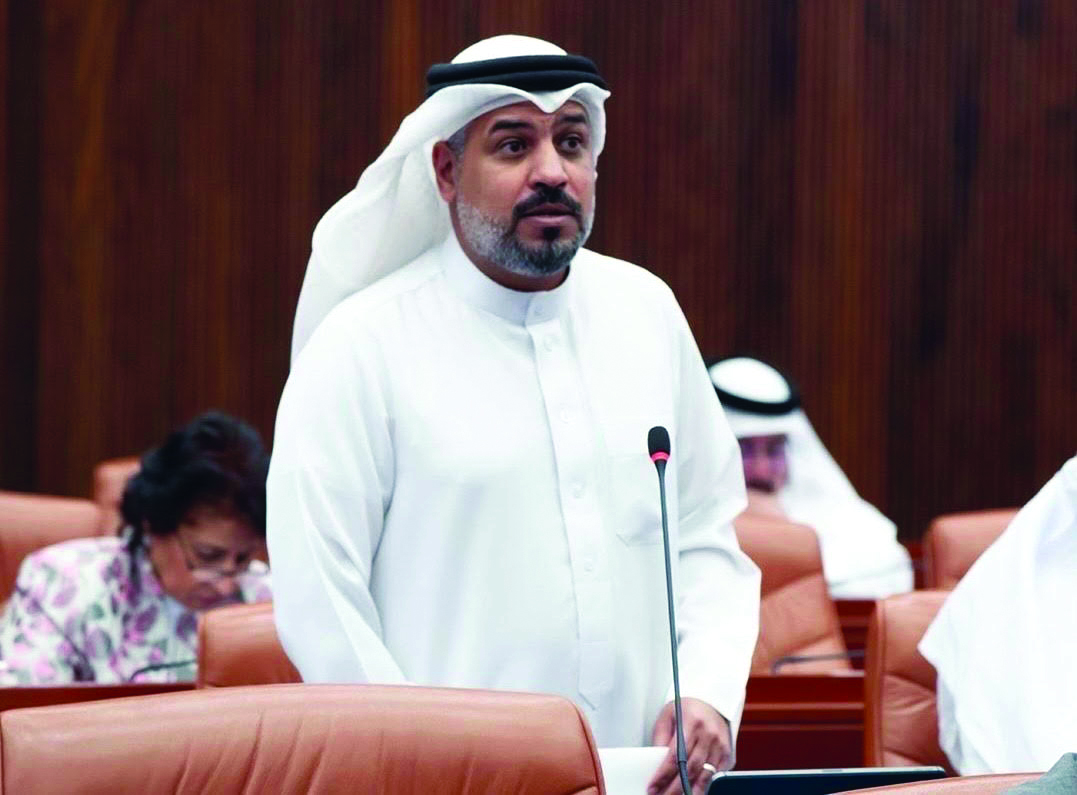
Bahrain’s Parliament is set to vote this month on a new law regulating the legal profession, replacing legislation that has been in place for around 45 years.
The bill, approved by the Legislative and Legal Affairs Committee and referred for debate, aims to modernize the legal system, define lawyers’ roles more clearly, and strengthen regulations governing legal practice.
Committee Chairman Mahmood Fardan said the draft law impacts the entire justice system, including courts, litigants, and the Ministry of Justice, Islamic Affairs and Waqf.
The proposed law introduces a structured classification system for lawyers, outlining progression through different court levels, while also aiming to prevent unauthorized legal practice.
Related Posts