

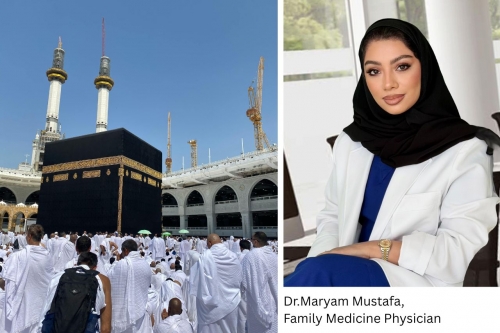
What Every Hajj Traveler Must Know
TDT | Manama
Email: mail@newsofbahrain.com
The Hajj pilgrimage, one of the world’s largest spiritual gatherings, is a journey defined by faith, endurance, and devotion.
Yet alongside its sacred rituals lies a quieter test: staying healthy amid immense physical demands and dense crowds. Here, health awareness and preventive care become as essential as the journey itself.
In an exclusive interview with The Daily Tribune, Dr. Maryam Mustafa, Family Medicine Physician at Vitality Medical Center, highlighted that thoughtful preparation enables pilgrims to strengthen immunity, energy levels, and recovery while safeguarding their well-being during the demanding Hajj rituals. This preparation includes hydration, hygiene, balanced nutrition, and mindful self-care, such as adequate rest, sleep, and targeted supplements like vitamin C, vitamin D, B-complex, magnesium, and zinc.
“It is important to begin preparations months before Hajj, including a full blood check-up, starting multivitamins, and correcting any nutritional deficiencies early to maximize health benefits. Vitamin C supports immunity, while magnesium helps reduce muscle cramps, relieve leg aches, and improve sleep,” she said.
She further emphasized the importance of pre-travel medical assessments, especially for those with chronic conditions, and advised pilgrims to travel with a companion and carry medical records.
For those with chronic illnesses, she advised carrying sufficient medication in hand luggage and strictly following prescribed doses. Diabetic and cardiac patients, in particular, should monitor their condition closely and avoid overexertion. Some medications, including insulin with multiple daily doses, may require minor adjustments, but only under medical guidance.
A 2024 study found upper respiratory tract infections (URTIs) to be the most common illness during Hajj, followed by skin, gastrointestinal, and musculoskeletal issues.
“Preventive measures such as mask use, hand hygiene, hydration, vaccination, and avoiding close contact with sick individuals remain essential. Asthma patients are advised to carry inhalers and avoid dust and smoke exposure,” said Dr. Maryam.
Health authorities continue to monitor respiratory infections, including COVID-19 variants and seasonal influenza, alongside heat-related illnesses.
“Pilgrims are urged to follow official guidelines and complete required vaccinations," she added.
In essence, careful preparation, preventive care, and timely medical attention remain key to ensuring a safe and spiritually fulfilling Hajj journey.
Related Posts