

Bahrain investment in digital skills pays off
TDT | Manama
Email: mail@newsofbahrain.com
Bahrain’s adult literacy rate reached 97.6 per cent in 2024, among the Arabian Gulf’s highest, the GCC Statistical Centre said, against a world average of 88 per cent.
Saudi Arabia topped the bloc on 99.5 per cent. Qatar and Kuwait each posted 99 per cent. Oman stood at 97.9 per cent, Bahrain at 97.6 per cent and the United Arab Emirates at 96.3 per cent.
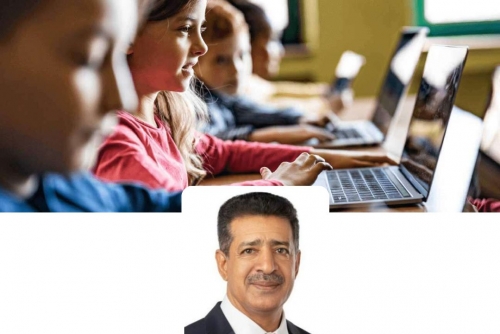
The centre said every GCC school at primary, intermediate and secondary level now has both internet access and computers, which has helped build a more flexible classroom and sharpen pupils’ research and enquiry skills.
Education policy
These steps, the centre added, sit within decades of national education policy and joint programmes linked to the Sustainable Development Goals and GCC Vision 2030.
Data cited by the centre show full coverage of basic school services across the GCC, while international figures put the global average for such coverage at no more than 80 per cent.
MP Dr Muneer Seroor praised Bahrain’s system and said the country’s illiteracy rate does not exceed 2 per cent.
Evening courses
He urged a wider push on digital literacy and called for more evening courses for teachers and working professionals.
The lawmaker said digital illiteracy is the inability to use computers, the internet or common apps, or to apply them in practice to find information, gain knowledge and communicate.
“We in Bahrain enjoy full internet coverage and a strong telecoms backbone, but we need more sound training to raise technical skills among students, graduates and workers across sectors,” said the MP.
Performance and productivity
He said investment in digital skills improves performance and productivity and lifts the effective use of digital tools in learning and production.
He added that stronger digital literacy builds cyber security awareness, supports anti-corruption work and helps economic and electronic security, while backing the government’s push towards a knowledge-based economy.
Dr Seroor said the drive fits modern learning modes such as lifelong learning, flexible learning and e-learning, and pointed to Finland and Estonia, which report high use of the internet for government and education after starting early in this field.
Related Posts