

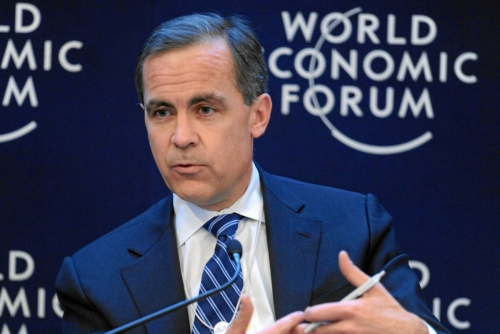
Trade Clash Escalates: Carney says “no intention” for an FTA with China
Email: online@newsofbahrain.com
Ottawa :Rising trade tensions between Canada and the United States have taken centre stage in North American politics, as Canadian Prime Minister Mark Carney reaffirmed that Ottawa will not pursue a comprehensive free trade agreement with China even as U.S. President Donald Trump threatens punitive tariffs on Canadian exports if Ottawa expands economic ties with Beijing.
Carney’s comments on Sunday come amidst a surge of sharp rhetoric from Trump who warned that Canada could face a 100 % tariff on its goods entering the United States if it signs a new trade pact with China. The threat, posted publicly and repeated by senior U.S. officials, highlights deepening disagreements over trade policy and economic strategy between two long-standing allies.
The Canadian prime minister stressed that Ottawa’s recent engagement with China does not equate to negotiating a broad free trade agreement. Instead, Carney said Canada has taken steps to adjust tariffs on specific goods in response to recent retaliatory duties imposed by Beijing and to stabilise markets for Canadian products.
“We have no intention of pursuing a free trade agreement with China or any other non-market economy,” Carney said, emphasising that Canada remains committed to the trade pact it holds with the United States and Mexico. Under the United States Mexico Canada Agreement (USMCA), Ottawa is obligated to notify its partners before exploring large-scale trade deals with non-market countries such as China.
The recent engagement with China led to reduced tariffs on select electric vehicles and agricultural products moves that placated Chinese counterparts and eased previously imposed tariffs. Carney said those adjustments were aimed at remedying imbalances that emerged over the past two years, rather than opening the door to broader market access.
Trump’s threat of a total tariff on Canadian goods erupted amid increasing White House frustration with Ottawa’s outreach to China. In social media posts and public comments, the president described the potential trade deal as a threat to U.S. markets and warned that Canada could be used as a “drop off port” for Chinese products a notion Ottawa has rejected.
The president’s aides have reiterated concerns about Chinese goods potentially entering the U.S. through Canada, with some officials describing this as a violation of trade spirit if not the letter. Those comments underscore how sensitive trade issues have become in broader geopolitical competition with China.
The dispute comes after Canada and China recently resolved select tariff disputes, including on electric vehicles and canola, which had been sources of strain in bilateral trade relations. The adjustments marked a departure from the punitive tariffs both countries imposed on each other beginning in 2024.
Economists and policymakers say the tensions could have long-lasting implications for North American supply chains, given the integrated nature of Canadian and U.S. markets, particularly in the automotive and agricultural sectors.
Despite Trump’s threats and political grandstanding, Carney’s government is intent on navigating a nuanced path: safeguarding Canada-U.S. cooperation, maintaining economic ties with China where beneficial, and avoiding a comprehensive free trade deal with Beijing that could jeopardise relations with its southern neighbour.
As both capitals prepare for upcoming renegotiations under the USMCA framework, trade watchers say the dispute could shape broader debates over how aligned allied economies should be in a shifting global economic landscape.
Related Posts