


IDTechEx Highlights Sustainable Aviation Fuel’s Role in Energy Security Amid Oil Crisis
As global oil prices remain vulnerable to geopolitical tensions, new research from IDTechEx suggests that sustainable aviation fuel (SAF) could play a key role not only in reducing emissions but also in strengthening long-term energy security.
In its latest report, Sustainable Biofuels & E-Fuels Market 2026-2036, the research firm examines how alternative aviation fuels could help reduce dependence on conventional fossil fuels while supporting the aviation industry’s decarbonization goals.
The report notes that the global transportation sector must significantly reduce carbon emissions by 2050 to help avoid the worst impacts of climate change. For aviation, this means scaling up the production of low-carbon fuels capable of replacing traditional jet fuel on a large scale.
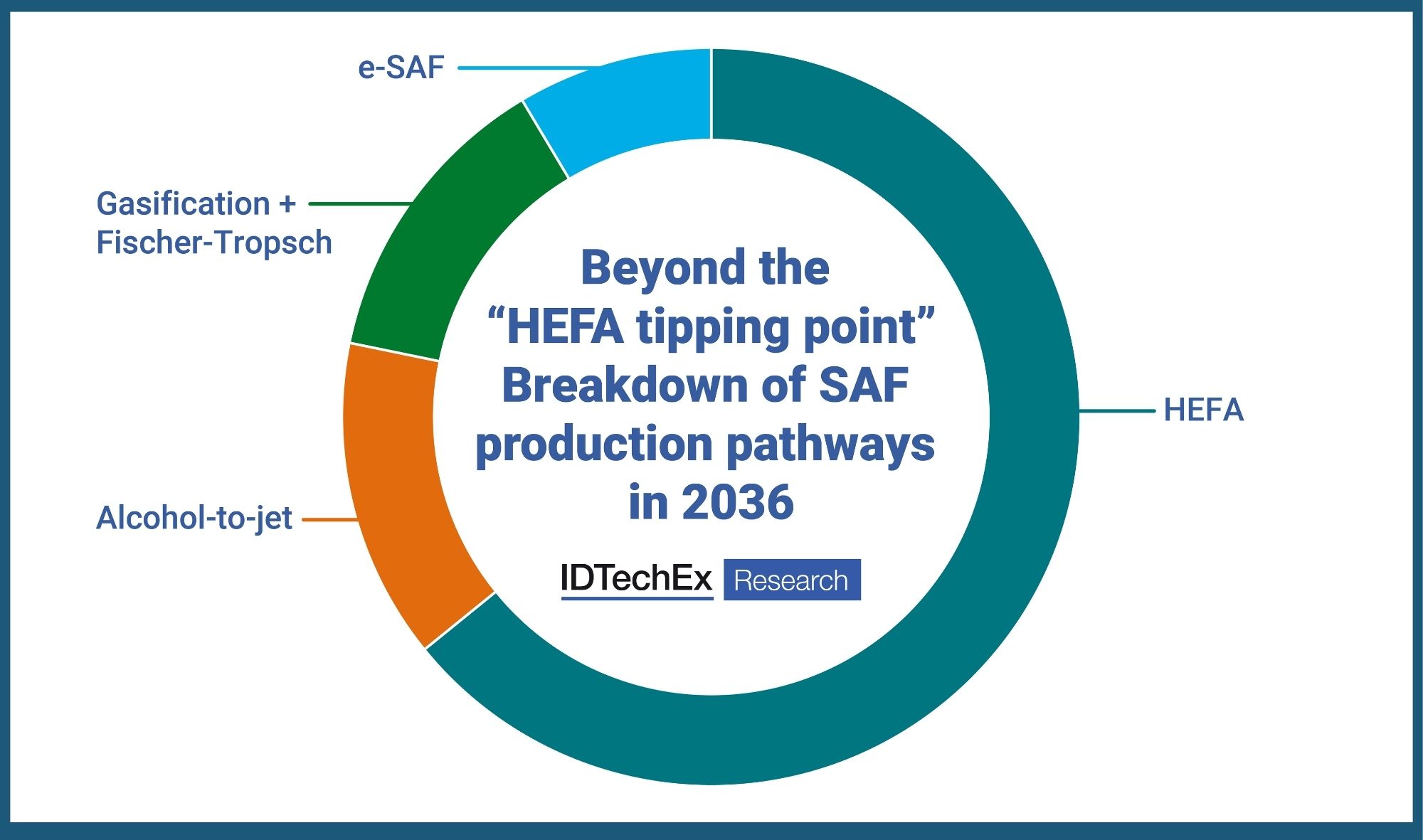
Among the leading SAF technologies currently available is Hydroprocessed Esters and Fatty Acids (HEFA), which uses waste oils such as used cooking oil instead of fossil-based feedstocks. The technology currently dominates SAF production and offers a significantly lower carbon footprint compared to conventional aviation fuels.
However, IDTechEx noted that HEFA is not an immediate solution to the ongoing global fuel crisis. Although the price gap between conventional jet fuel and HEFA-based SAF has narrowed following recent geopolitical disruptions linked to the Iran conflict, HEFA fuel remains more expensive and faces supply chain limitations due to restricted feedstock availability.
The report also highlights alternative SAF production pathways with greater flexibility. These include alcohol-to-jet technologies, which could benefit regions with strong bioethanol industries such as the United States and Brazil, as well as biomass gasification combined with Fischer-Tropsch synthesis.
One example cited in the report is the planned Altalto facility in the United Kingdom, which aims to convert municipal solid waste into 30 million litres of jet fuel using technology developed by Velocys.
According to IDTechEx, the sustainable aviation fuel market will need to diversify beyond HEFA production over the next decade as demand increases and feedstock constraints become more apparent.
The report also points to the long-term potential of e-SAF, a synthetic aviation fuel produced using captured carbon dioxide and green hydrogen generated through renewable energy sources such as wind and solar power. While e-SAF offers almost unlimited theoretical scalability, current production costs remain high due to expensive renewable energy requirements and limited carbon capture infrastructure.
Beyond aviation fuels, the research also examined sustainable alternatives to natural gas, including biomethane and e-methane, as countries seek to reduce exposure to geopolitical volatility in global energy markets.
IDTechEx said sustainable fuels offer the possibility of localized fuel production, reducing dependence on imported oil and gas while supporting both climate and energy security goals.
.
Related Posts